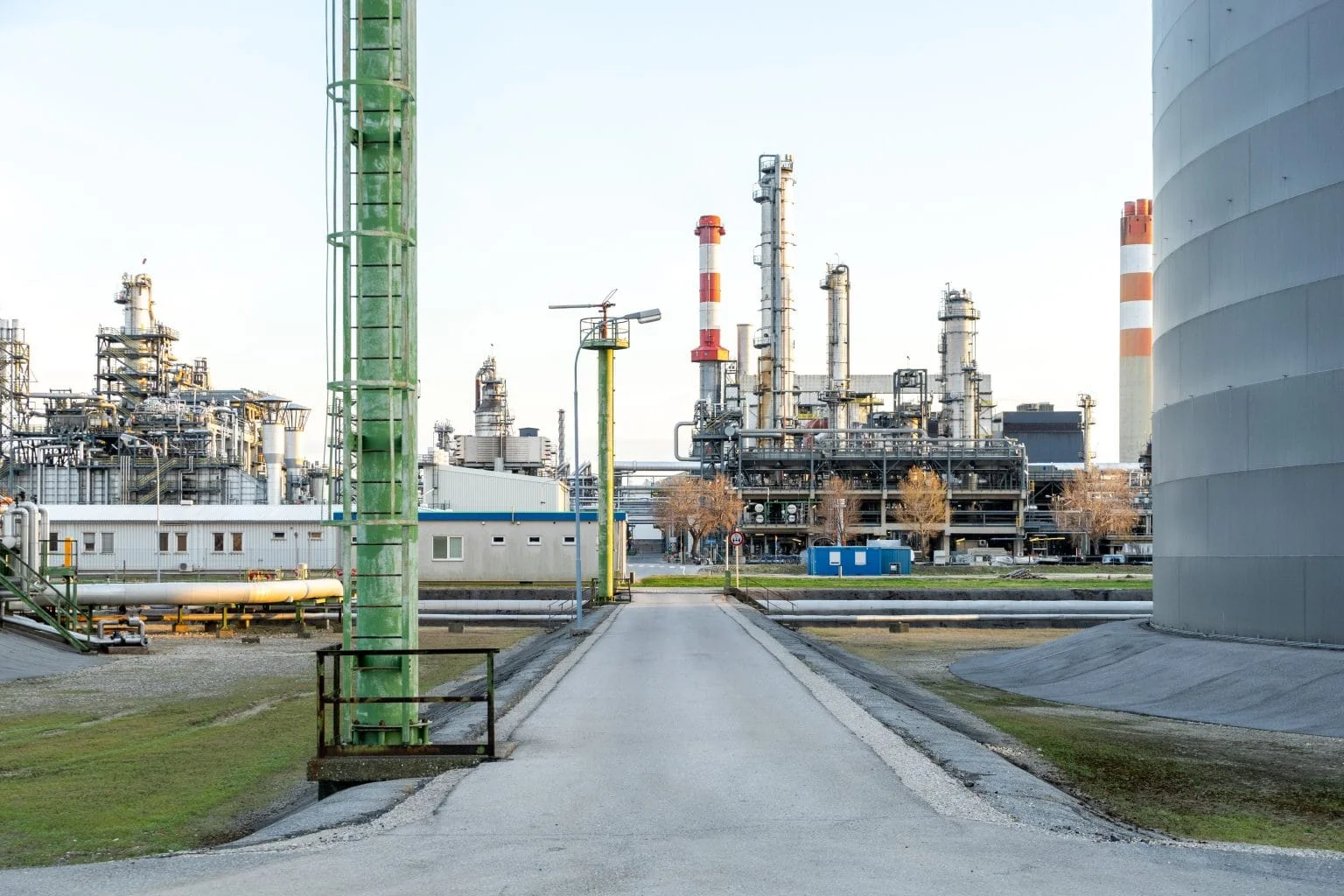

Welcome to NDT Inspect's pipeline inspection group, a place for professionals to connect and discuss the latest techniques and technologies in pipeline inspection.
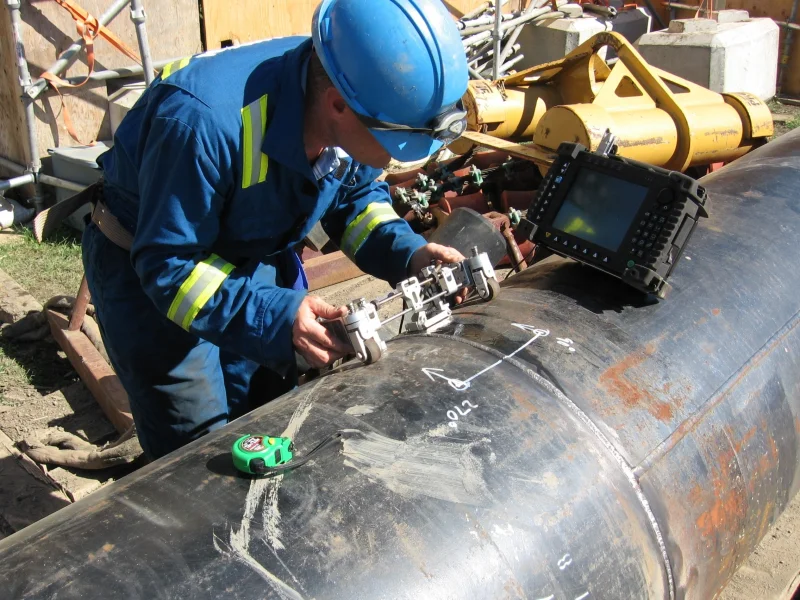
Pipeline inspection is a critical aspect of ensuring the integrity and reliability of pipelines in various industries, including oil and gas, water and wastewater, and transportation. It involves the use of specialized equipment and techniques, including non-destructive testing (NDT) methods, to evaluate the condition and performance of pipelines and identify any potential issues or defects.
Pipeline inspection is an important aspect of ensuring the safety and reliability of pipelines and is often required by regulatory agencies to ensure compliance with safety standards. It involves the use of various methods and techniques, including ultrasonic testing, radiographic testing, and magnetic particle inspection, to evaluate the condition of pipelines and identify any issues or defects.
Our member group offers a platform for sharing knowledge and best practices on pipeline inspection and its applications in various industries. Join our community of experts from around the world and be a part of the conversation on advancing the practice of pipeline inspection and its applications in the field of NDT and inspection. Whether you are new to pipeline inspection or an experienced professional, you'll find valuable resources and a welcoming community in our group.
Updates
-
 raven posted an update1 year ago
The Role of NDT in Preventing Pipeline Failures: Techniques and Case Studies
IntroductionNon-Destructive Testing (NDT) plays a critical role in ensuring the structural integrity and safety of pipelines. Pipelines are essential for transporting oil, gas, water, and other fluids over long distances, and any failure can lead to environmental disasters, financial losses, and safety hazards. This article explores how NDT techniques help prevent pipeline failures and provides real-world case studies highlighting the importance of proper inspection.
Common Causes of Pipeline FailuresPipeline failures can occur due to various factors, including:
Corrosion: The deterioration of metal due to chemical reactions with the environment.
Cracking: Stress corrosion cracking (SCC) and fatigue cracking can compromise pipeline integrity.
Mechanical Damage: External forces, such as construction activities or ground movement, can cause dents or gouges.
Manufacturing Defects: Flaws in welding, material inconsistencies, or improper fabrication can lead to failures.
Operational Stress: High-pressure fluctuations and temperature variations can weaken pipelines over time.
Several NDT methods are commonly used to detect defects and ensure pipeline reliability:
Ultrasonic Testing (UT):
Uses high-frequency sound waves to detect internal and surface defects.
Effective for measuring wall thickness and detecting corrosion.
Radiographic Testing (RT):
Utilizes X-rays or gamma rays to create images of the pipeline’s internal structure.
Commonly used for weld inspection and detecting hidden cracks.
Magnetic Particle Testing (MPT):
Applied to ferromagnetic materials to identify surface and near-surface discontinuities.
Highly effective for detecting cracks and weld defects.
Eddy Current Testing (ECT):
Employs electromagnetic induction to detect surface and sub-surface flaws.
Suitable for inspecting heat exchangers and tubing in pipelines.
Acoustic Emission Testing (AET):
Monitors real-time stress waves to identify potential failure points.
Useful for detecting crack growth and structural integrity issues.
Phased Array Ultrasonic Testing (PAUT):
An advanced form of UT that provides detailed imaging of pipeline defects.
Allows for faster and more accurate inspections compared to conventional UT.
A gas pipeline operator detected minor wall thinning during a routine ultrasonic thickness measurement. Further radiographic testing confirmed internal corrosion near a weld joint. Preventative maintenance was conducted, preventing a potential rupture and environmental damage.
Case Study 2: Detecting Stress Corrosion Cracking with AETA pipeline transporting crude oil showed signs of stress corrosion cracking in specific sections. Using acoustic emission testing, inspectors identified crack initiation points and implemented targeted repairs, avoiding a major leak.
Case Study 3: Identifying Manufacturing Defects with PAUTDuring a new pipeline installation, phased array ultrasonic testing revealed undetected welding defects. Immediate corrections were made before the pipeline was put into operation, ensuring long-term safety and compliance with industry standards.
ConclusionNDT is a vital tool in pipeline integrity management, helping to detect defects before they escalate into failures. By leveraging advanced inspection techniques, industries can enhance safety, reduce costs, and prevent environmental disasters. Regular NDT inspections, combined with predictive maintenance strategies, are essential for sustaining pipeline reliability in the long run.
👍1 -
 emkz posted an update2 years ago
Hello
I'm looking for an EMI 4 functions?
up to 7"
👍1 -
 NDT-Inspect posted an update in the group Pipeline Inspection3 years ago
The type of plastic that is used for oil and gas pipelines is typically high-density polyethylene (HDPE). HDPE is a type of thermoplastic polymer that is known for its high strength, toughness, and chemical resistance. It is also resistant to UV radiation and has a relatively low coefficient of thermal expansion, making it well-suited for use in outdoor environments.
HDPE is widely used for oil and gas pipelines due to its ability to withstand the high pressures and temperatures that are often encountered in these applications. It is also resistant to many chemicals that are commonly found in oil and gas, including hydrocarbons and corrosive acids.
In addition to HDPE, other types of plastic that may be used for oil and gas pipelines include polyvinyl chloride (PVC) and polypropylene (PP). These materials also have good chemical resistance and mechanical properties, but may not be as durable or resistant to high temperatures as HDPE. The specific type of plastic that is used for a particular oil and gas pipeline will depend on the specific requirements of the application.
-
NDT-Inspect started the discussion What is the longest pipeline in the world? in the forum Pipeline Inspection3 years ago
The longest pipeline in the world is the West-East Natural Gas Pipeline in China, which stretches for about 7,000 miles (11,000 kilometers) from the western province of Xinjiang to the eastern province of Fujian.
It is used to transport natural gas from the Tarim Basin in Xinjiang to the densely populated regions in the east of the country.
The pipeline was completed in 2004 and has a capacity of about 12 billion cubic meters of natural gas per year.
There are also several other long pipelines in the world that transport oil, including the Trans-Siberian Pipeline in Russia and the Trans-Alaska Pipeline in the United States.
-
NDT-Inspect started the discussion There are several considerations when it comes to the inspection of pipelines: in the forum Pipeline Inspection3 years ago
Safety: The safety of personnel and the public is of the utmost importance during pipeline inspections. This may involve the use of specialized safety equipment and procedures, as well as the development of emergency response plans.
Regulations: Pipeline inspections must comply with relevant local, state, and federal regulations. This may involve obtaining the necessary permits, following specific inspection protocols, and submitting reports to regulatory agencies.
Types of inspection: Different types of inspections may be required for different types of pipelines, depending on their purpose, size, and location. Some common types of inspections include visual inspections, corrosion inspections, and integrity assessments.
Inspection intervals: The frequency of inspections will depend on the type of pipeline, its age and condition, and the potential consequences of failure. Older pipelines or those in areas with high risk of damage may require more frequent inspections.
Inspection methods: There are several NDT methods that can be used for pipeline inspections, including visual inspection, radiographic testing, ultrasonic testing, and magnetic particle testing. The choice of inspection method will depend on the specific needs of the pipeline and the type of defects or imperfections being sought.
Data management: Pipeline inspections generate a large amount of data, which must be organized and analyzed in order to identify any issues and make informed decisions about repairs or maintenance. This may involve the use of specialized software or database systems.
Repair and maintenance: If defects or imperfections are detected during an inspection, appropriate repairs or maintenance must be carried out in order to ensure the continued safe operation of the pipeline. This may involve the use of specialized equipment and procedures, as well as the coordination of repair or maintenance activities with relevant stakeholders.
-
NDT-Inspect posted an update in the group Pipeline Inspection3 years ago
There are several different methods that can be used to inspect pipelines for defects, corrosion, and other issues. Some common methods include:
- Visual inspection: This method involves using cameras, drones, or other visual inspection equipment to identify external defects, such as dents, cracks, or corrosion.
- Ultrasonic testing: This method uses high-frequency sound waves to detect the thickness and integrity of the pipeline wall.
- Radiography: This method uses X-rays or gamma rays to create images of the internal structure of the pipeline.
- Magnetic particle inspection: This method uses a magnetic field and fine iron oxide particles to detect surface and near-surface defects in ferromagnetic materials.
- Pressure testing: This method involves pressurizing the pipeline and measuring the pressure loss to detect leaks or other issues.
Each of these methods has its own advantages and limitations, and the appropriate method is chosen based on the type of pipeline, the material, and the types of defects that need to be detected.
-
NDT-Inspect posted an update in the group Pipeline Inspection3 years ago
Pipeline inspection is a process that involves evaluating the condition, integrity, and performance of pipelines, using various nondestructive testing (NDT) methods and techniques. Pipeline inspection is used in the oil and gas industry, as well as in other industries that use pipelines to transport fluids, gases, and other materials.
Pipeline inspection is performed to ensure the safety, reliability, and performance of pipelines, and to detect and diagnose defects, flaws, and other anomalies that can affect the pipeline's operation and serviceability. Pipeline inspection is typically performed on-site, without the need to disassemble or interrupt the pipeline's operation.
Pipeline inspection typically involves the use of advanced and specialized NDT methods and techniques, such as ultrasonic testing, magnetic flux leakage, eddy current testing, and radiographic testing. These methods and techniques allow the pipeline inspector to evaluate the internal and external surfaces, structures, and properties of the pipeline, and to provide detailed and accurate information about the pipeline's condition.
Pipeline inspection is performed by qualified and certified NDT technicians, who have the skills, knowledge, and experience to apply the appropriate NDT methods and techniques, and to interpret and evaluate the results of the inspections. Pipeline inspection technicians typically work in oil and gas facilities, and are responsible for ensuring the quality, reliability, and safety of the pipelines.
Pipeline inspection is regulated by national and international standards and guidelines, such as the American Society for Nondestructive Testing (ASNT) and the European Committee for Standardization (CEN). These standards and guidelines provide requirements and guidance for the application, performance, and evaluation of pipeline inspection, and are used to ensure the consistency, reliability, and validity of pipeline inspection inspections and results.
-
NDT-Inspect posted an update in the group Pipeline Inspection4 years agoWebinar: UT Inspection Solution for HDPE Butt Fusion Joints
Webinar: UT Inspection Solution for HDPE Butt Fusion Joints - YouTube
-
NDT-Inspect posted an update in the group Pipeline Inspection4 years ago
Summary of the statistic of external line inspection technologies for monitoring pipelines above and underground
-
NDT-Inspect posted an update in the group Pipeline Inspection4 years ago
Inspection of Non piggable Pipelines Techniques
Very interesting presentation from Indian Oil Corporation Ltd.
Pipelines Division
-
 mohamed-ali-bagath joined the group Pipeline Inspection4 years ago
 -
 doug posted an update in the group Pipeline Inspection5 years ago
Visual inspection and marking of defective areas
Визуальный осмотр и разметка дефектных участков
 👍2
👍2 -
 chris started the discussion Pipeline Corossion and Inspection Methods in the forum Pipeline Inspection5 years ago
Some Pipeline Inspection Tools are used prior and during the construction and preparation process of the Pipeline, and other inspection methods have a great utility during the pipeline’s function also. We are going to explore in this work both aplicable Pipeline Inspection Methods, through various NDT/NDE inspection methods as well as destructive testing.
Full article in our blog section: /pipeline-corossion-and-inspection-methods/
-
noizyboy posted an update in the group Pipeline Inspection5 years ago
-
noizyboy posted an update in the group Pipeline Inspection5 years ago
Discussions