

Aerospace
Updates
-
 NDT-Inspect posted an update in the group Aerospace Sector3 years ago
Aircraft blades, such as those found in jet engines and helicopter rotors, are subject to high levels of stress and must be regularly inspected to ensure they are in good condition. There are several methods of inspecting aircraft blades, including visual inspection, ultrasonic testing, and eddy current testing.
During a visual inspection, the blades are examined for cracks, corrosion, and other types of damage using tools such as telescopes and boroscopes. This allows the inspector to see into hard-to-reach areas of the blade and identify any issues that may need to be addressed.
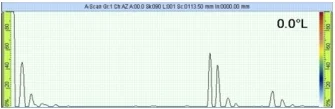
Ultrasonic testing uses high-frequency sound waves to inspect the blade for defects. The sound waves are transmitted into the blade and their reflection patterns are used to determine the presence and location of any defects.
Eddy current testing involves using an alternating current to induce a current in the blade being tested. This current can be used to detect cracks and other types of defects in the blade.
Overall, regular inspections of aircraft blades are essential for ensuring their safety and reliability. By detecting and addressing any issues early on, it is possible to prevent problems that could lead to structural failure and potentially catastrophic consequences.
👍1 -
NDT-Inspect posted an update in the group Aerospace Sector3 years ago
Corrosion is a major concern in the aviation industry because it can significantly reduce the strength and reliability of aircraft structures. It is caused by the chemical reaction of a material with its environment, which can lead to the degradation and weakening of the material over time.
Corrosion can occur on any metal surface, but it is particularly common in aircraft due to their exposure to harsh environments such as saltwater, extreme temperatures, and deicing chemicals. It can also occur on non-metal surfaces, such as composites, due to moisture infiltration or chemical attack.
There are several types of corrosion that can affect aircraft, including:
Uniform corrosion: This occurs evenly over the surface of the material and is often the result of exposure to a corrosive environment.
Pitting corrosion: This type of corrosion creates small, deep pits in the material's surface. It is often caused by the presence of contaminants, such as salt, in the environment.
Galvanic corrosion: This occurs when two different types of metal are in contact in the presence of an electrolyte, such as saltwater. The more noble metal (less reactive) is protected while the less noble metal (more reactive) corrodes.
Stress corrosion cracking: This type of corrosion occurs when the material is subjected to both tensile stress and a corrosive environment. It is often found in high-stress areas such as wing spars and fuselage frames.
To prevent corrosion, aircraft manufacturers use corrosion-resistant materials and coatings, and aircraft operators must follow a rigorous maintenance schedule that includes regular inspections and corrosion prevention measures. In addition, NDT techniques, such as ultrasonic testing and eddy current testing, can be used to detect corrosion in aircraft structures before it becomes a serious problem.
👍1 -
NDT-Inspect posted an update in the group Aerospace Sector3 years ago
Cracking in aircraft structures is a serious concern because it can lead to structural failure and potentially catastrophic consequences. Non-destructive testing (NDT) is a technique used to inspect aircraft structures for cracks and other types of damage without causing any damage to the structure itself.
There are several methods of NDT that can be used to detect cracks in aircraft structures, including ultrasonic testing, magnetic particle inspection, eddy current testing, and visual inspection. These methods all work by using different physical principles to detect variations in the structure that may indicate the presence of a crack.
Ultrasonic testing uses high-frequency sound waves to inspect the structure. The sound waves are transmitted into the structure and their reflection patterns are used to determine the presence and location of any defects.
Magnetic particle inspection uses a magnetic field to detect cracks in ferromagnetic materials, such as steel. Eddy current testing uses an alternating current to induce a current in the material being tested, which can be used to detect cracks and other types of defects.
Visual inspection involves using the human eye to inspect the structure for cracks and other types of damage. This can be done using a variety of tools, such as telescopes and boroscopes, which allow the inspector to see into hard-to-reach areas of the structure.
Overall, NDT is an important tool for ensuring the safety and reliability of aircraft structures. By detecting cracks and other types of damage early on, NDT can help prevent structural failures and keep aircraft safe for operation.
-
NDT-Inspect posted an update in the group Aerospace Sector3 years ago
Aerospace safety is of paramount importance in the design, construction, and operation of aircraft and spacecraft. Non-destructive testing (NDT) is a vital aspect of ensuring the safety and reliability of these vehicles. In this article, we will explore the role of NDT in aerospace safety, the various NDT methods used in the aerospace industry, and the challenges and benefits of implementing NDT in the aerospace sector.
Aerospace safety refers to the measures taken to ensure the safety and reliability of aircraft and spacecraft. This includes the design and construction of the vehicles, as well as their maintenance and operation. The aerospace industry is subject to stringent regulations and standards to ensure the safety of these vehicles, as even minor defects or failures can have catastrophic consequences.
NDT is a set of techniques used to assess the properties of a material, component, or system without causing damage. These techniques are widely used in the aerospace industry to inspect and evaluate the condition of aircraft and spacecraft components, including structural elements, engines, and avionics systems. NDT is an essential part of the maintenance and repair process for aerospace vehicles, as it allows technicians to identify and address potential issues before they can cause failures or accidents.
There are several NDT methods used in the aerospace industry, each of which is suited to different materials and applications. Some of the most common NDT methods used in aerospace include:
Visual inspection: This method involves examining the surface of a component or system using the naked eye or specialized instruments such as magnifying glasses or borescopes.
Liquid penetrant inspection: This method involves applying a liquid penetrant to the surface of a component, which is then drawn into any surface defects or imperfections. The penetrant is then removed, and a developer is applied to highlight the defects.
Magnetic particle inspection: This method involves applying a magnetic field to a ferromagnetic component, such as steel. Iron oxide or iron oxide-coated magnetic particles are then applied to the surface, which are attracted to and highlight any surface or near-surface defects.
Eddy current testing: This method involves inducing an eddy current in a metallic component and measuring the induced current. Changes in the induced current can indicate the presence of defects or imperfections in the material.
Ultrasonic testing: This method involves the use of high-frequency sound waves to inspect the internal structure of a component. The sound waves are transmitted into the component and reflected back by any internal features or defects.
Implementing NDT in the aerospace industry comes with a number of challenges and benefits. One of the main challenges is the cost and time required to perform NDT. These techniques can be time-consuming and require specialized equipment and trained personnel, which can be costly. However, the benefits of NDT far outweigh the costs. By identifying and addressing potential issues before they can cause failures or accidents, NDT helps to ensure the safety and reliability of aircraft and spacecraft, protecting both passengers and crew.
In conclusion, NDT plays a vital role in ensuring the safety and reliability of aircraft and spacecraft. The various NDT methods used in the aerospace industry allow technicians to identify and address potential issues before they can cause failures or accidents. While implementing NDT can be costly and time-consuming, the benefits of ensuring the safety and reliability of these vehicles far outweigh the costs.
👍1 -
NDT-Inspect posted an update in the group Aerospace Sector3 years ago
Non-destructive testing (NDT) is an important aspect of aircraft maintenance, as it allows for the inspection of aircraft components and structures without causing damage. There are several NDT methods that are commonly used in the aviation industry, including:
Visual inspection: Visual inspection involves examining the surface of an aircraft component or structure using the naked eye or specialized instruments. This is often the first step in NDT and can identify obvious defects or imperfections.
Radiographic testing: Radiographic testing uses X-rays or gamma rays to create an image of the internal structure of an aircraft component or structure. This can be used to detect cracks, corrosion, or other internal defects that may not be visible to the naked eye.
Ultrasonic testing: Ultrasonic testing uses high-frequency sound waves to inspect the material or component. This can be used to detect surface and subsurface defects, such as cracks, voids, and inclusions.
Eddy current testing: Eddy current testing uses electromagnetic fields to detect imperfections in conductive materials. This can be used to inspect the surface of aircraft components for cracks or other defects.
Magnetic particle testing: Magnetic particle testing uses a magnetic field to detect surface and slightly subsurface imperfections in ferromagnetic materials. This can be used to inspect aircraft components made of ferrous materials, such as steel or iron.
NDT inspections of aircraft components and structures are typically required at regular intervals in order to ensure the safety and reliability of the aircraft. The specific NDT methods used and the frequency of inspections will depend on the type of aircraft, the component or structure being inspected, and the regulatory requirements for that particular aircraft.
-
NDT-Inspect posted an update in the group Aerospace Sector3 years ago
The aerospace industry is one of the major sectors that uses nondestructive testing (NDT) techniques to ensure the safety, reliability, and performance of its products. Aerospace NDT is the application of NDT methods and techniques in the aerospace industry, to inspect and evaluate the structural integrity, serviceability, and quality of aerospace components, materials, and systems.
Aerospace NDT plays a critical role in the design, manufacture, maintenance, and repair of aerospace components and systems, including aircraft, spacecraft, satellites, engines, and other systems. Aerospace NDT is used to detect and diagnose defects, flaws, and other imperfections that can affect the safety, performance, and durability of aerospace components and systems.
Aerospace NDT typically involves the use of advanced and specialized NDT methods and techniques, such as radiographic testing, ultrasonic testing, eddy current testing, magnetic particle testing, and liquid penetrant testing. These methods and techniques allow aerospace NDT technicians to inspect and evaluate the internal and external surfaces, structures, and properties of aerospace components and systems, without causing any damage or disruption to their function and operation.
Aerospace NDT is performed by qualified and certified NDT technicians, who have the skills, knowledge, and experience to apply the appropriate NDT methods and techniques, and to interpret and evaluate the results of the NDT inspections. Aerospace NDT technicians typically work in aerospace manufacturing and maintenance facilities, and are responsible for ensuring the quality, reliability, and safety of aerospace products and systems.
Aerospace NDT is regulated by national and international standards and guidelines, such as the American Society for Nondestructive Testing (ASNT) and the European Committee for Standardization (CEN). These standards and guidelines provide requirements and guidance for the application, performance, and evaluation of aerospace NDT, and are used to ensure the consistency, reliability, and validity of aerospace NDT inspections and results.
-
NDT-Inspect posted an update in the group Aerospace Sector4 years ago
Inspection Methods for Characterizing Subsurface Impact Damage in Solid Laminate Aerospace Composites
-
 holld posted an update in the group Aerospace Sector4 years ago
 -
holld posted an update in the group Aerospace Sector4 years ago
-
holld posted an update in the group Aerospace Sector4 years ago
-
Holld posted an update in the group Aerospace Sector4 years ago
NDT, UT and inspection of composite materials