


A large share of the inspection work done in the world every year is squeezed into a few short, intense windows when plants deliberately stop running. If you are looking for NDT shutdown jobs, you are looking at the busiest and best paid weeks in the calendar — and at a way of working that most people are never properly briefed on before their first campaign.
This is what a turnaround actually is, when they happen, what the inspection scope looks like from the inside, and what contractors screen for when they build a crew.
What a shutdown actually is
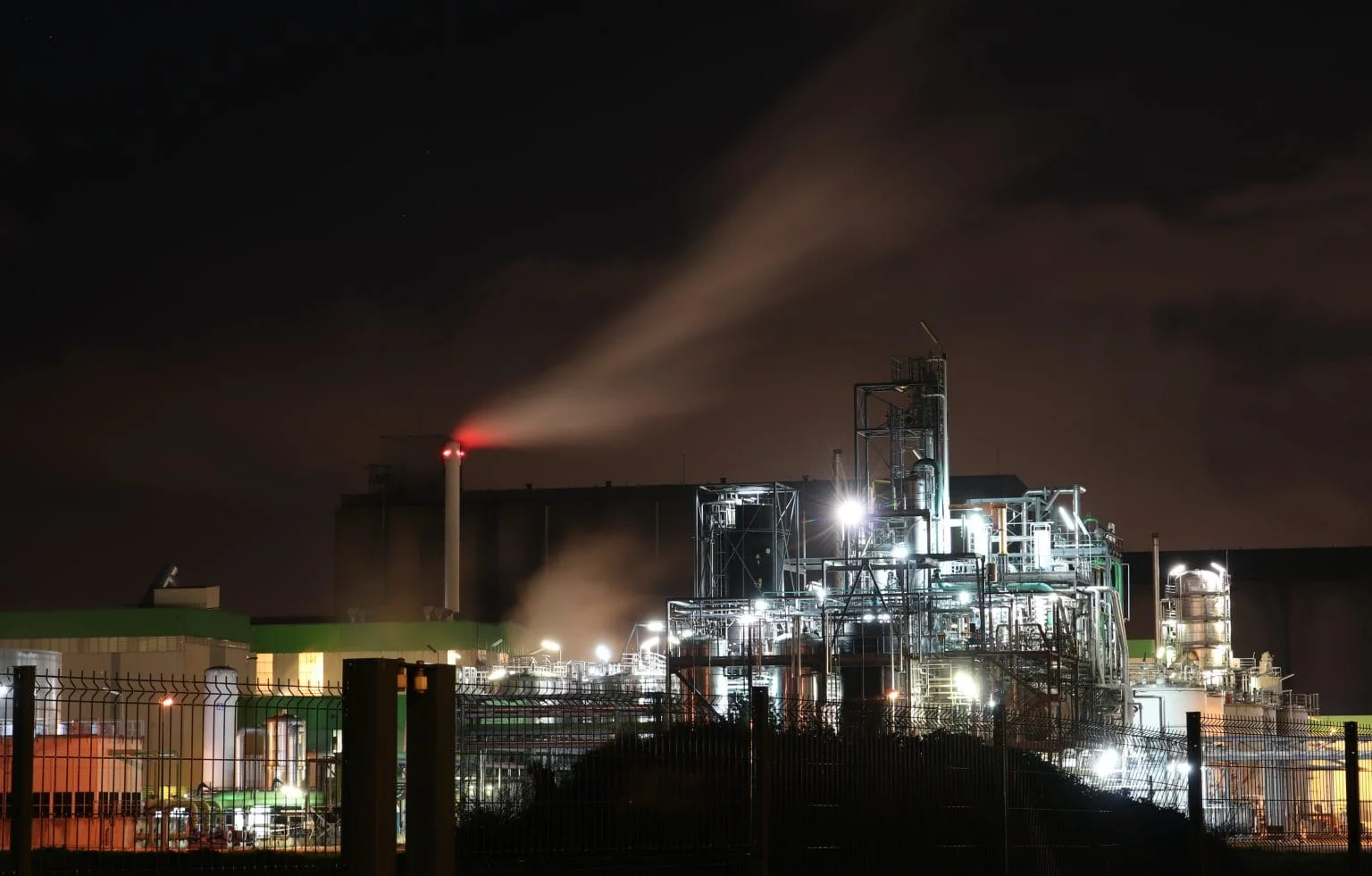
A shutdown — also called a turnaround, a TAR, or an outage depending on who you are talking to — is a planned stop. The unit is taken off line, depressurised, drained, purged and made safe so that equipment which cannot be touched while it is running can be opened up.
That is the whole reason inspection crews descend on the site. A pressure vessel in service is a sealed box. During a shutdown it becomes a room you can walk into with a torch and a probe. Columns get opened, exchangers get pulled, tanks get cleaned, and for a few weeks everything that has been quietly corroding for four or five years is visible.
The word planned is doing a lot of work in that description. Turnarounds are scoped months or years in advance, with an inspection plan built from previous findings, corrosion rates and risk assessments. The crew that turns up in week one is executing a document somebody wrote a long time earlier.
When the season runs, and why the timing decides your year
Shutdowns cluster, and the clustering is driven by demand and weather rather than convenience.
In temperate regions, plants generally avoid stopping when their product is most valuable, which pushes major work into the shoulder seasons — spring and autumn. Refineries do not want to be down when heating or driving demand peaks. Power stations do not want to be down in the hottest or coldest weeks. In hot climates operators weigh the cost of working crews through extreme summer temperatures against the same commercial calendar, and in the southern hemisphere the whole pattern inverts.
The practical consequence for a technician is that work arrives in waves, and if you miss the mobilisation for a wave you may be waiting months for the next one. Patterns also vary a great deal between operators and regions, so the only reliable intelligence is what the contractors in your area tell you. Ask them directly when their next campaign starts — most will answer.
What the inspection scope looks like from the inside
A turnaround has three distinct phases for inspection people, and they feel like three different jobs.
Before the stop. While the plant is still running, crews do what can be done from the outside: thickness surveys on accessible pipework, screening on insulated lines, external weld inspection, and building the baseline that the shutdown scope will be measured against. This phase is calmer and often overlooked by technicians chasing the headline work.
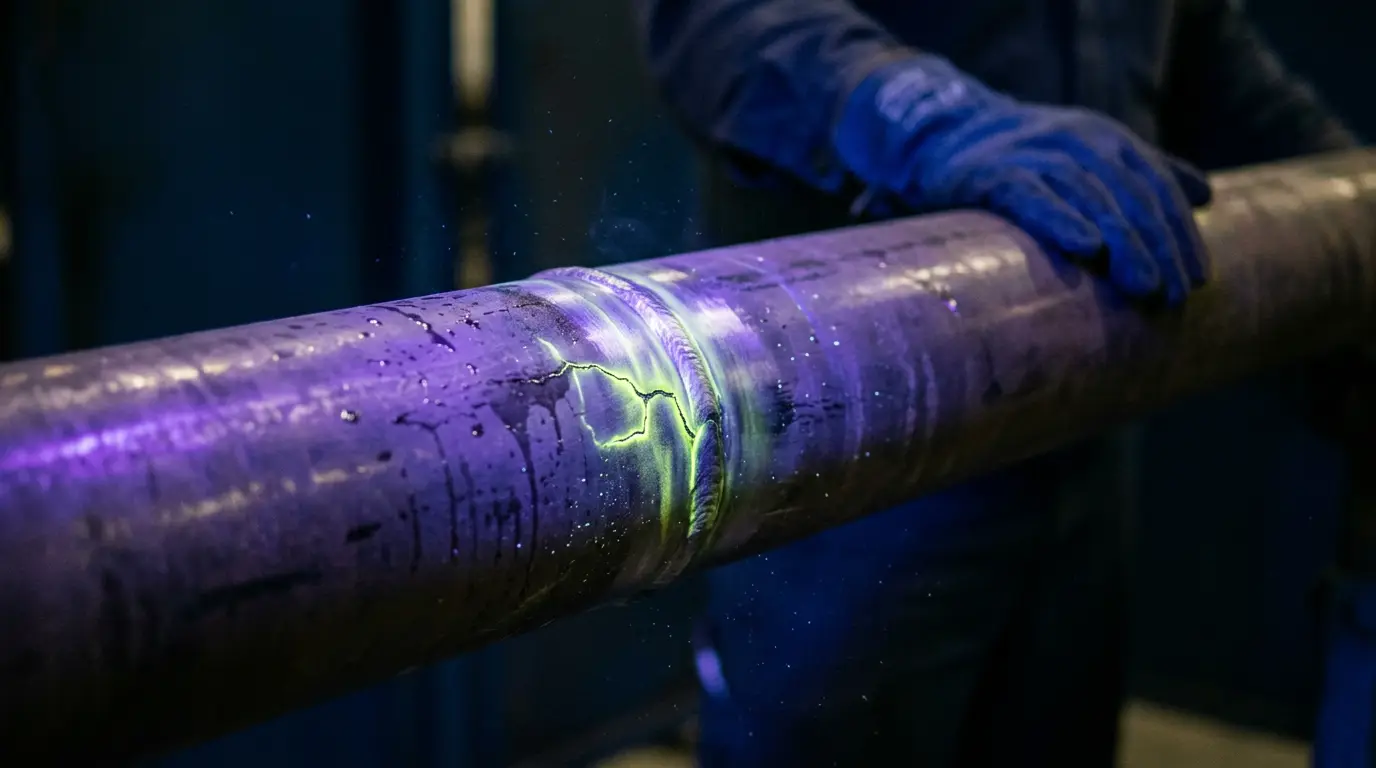
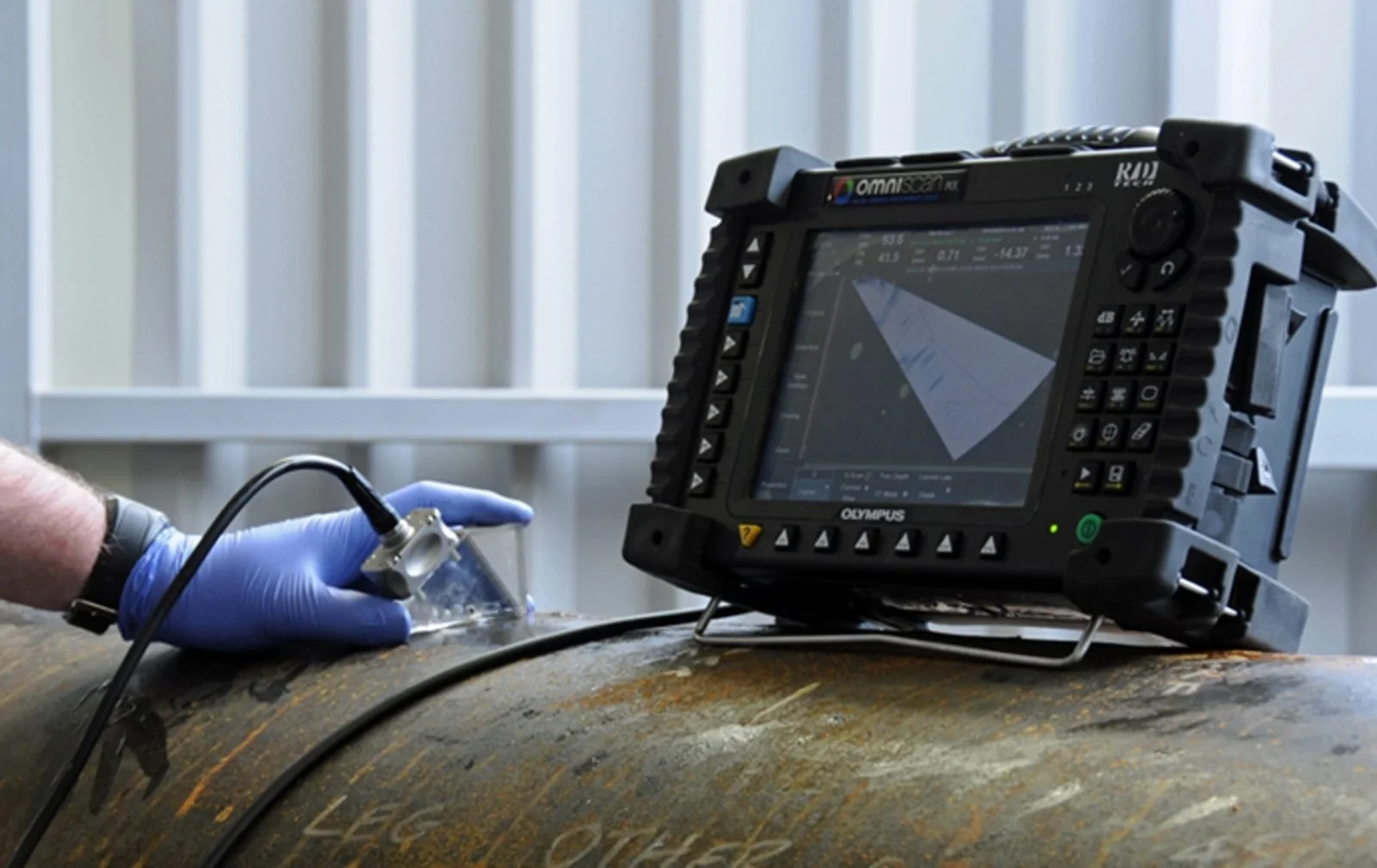
During the stop. This is the intense part. Vessels and columns are entered and internally inspected. Weld repairs get surface inspection as they are made — the choice between surface methods on repair welds comes up constantly, and it is worth being clear on when a job needs penetrant rather than magnetic particle. Thickness grids are read on shells, heads and nozzles. Critical welds get advanced ultrasonics, often phased array, sometimes with time of flight diffraction alongside it. Radiography runs at night when the area can be cleared. Replacement spools get positive material identification before they are welded in, and hardness checks follow post-weld heat treatment. Exchanger bundles get eddy current tube inspection.
After the stop. Reports, repair verification, and witnessing hydrotests as the unit is put back together. Reporting is the part crews consistently underestimate, and it is where a lot of overtime quietly lives.

The shifts, and what the money really looks like
Turnarounds run on twelve hour shifts, six or seven days a week, day and night, for the duration of the campaign. A four week job is not four weeks of normal work — it is closer to two and a half months of ordinary hours compressed into a month.
That compression is where the money comes from, and it is worth understanding the components rather than the headline. There is a base rate, and then there is the part that actually fills the bank account: overtime, night shift premiums, seven-day working, remote location allowances, mobilisation and demobilisation payments, and a per diem that is often quoted entirely separately from pay. Two offers with the same day rate can be very different once accommodation, food, flights and per diem are compared properly.
Ask what is included before you accept anything. Our notes on NDT technician pay and on technician work schedules give some context, but the specific number on a shutdown depends far more on the contract than on the region.
What contractors screen for when they build a crew
Shutdown hiring is fast and unromantic. A coordinator with three hundred slots to fill in six weeks is not reading your CV for character. They are checking whether you can be on site legally, safely and immediately, and the first candidate who clears that bar gets the call.
- Certification that is still valid past the end of the campaign. A certificate expiring mid-job is an administrative problem they will avoid by hiring somebody else.
- A current medical or fit-to-work certificate. For vessel entry this is not negotiable, and getting one arranged at short notice is often the bottleneck.
- Confined space entry and working at height training. Most internal inspection work needs both.
- H2S awareness where the plant handles sour service, plus any breathing apparatus training the site specifies.
- Site-specific safety induction, which is usually done on arrival but sometimes has to be completed in advance.
- Passport validity, visas and letters of invitation for international work. Visa lead times have ended more shutdown opportunities than any shortage of skill.
The single most useful habit in this line of work is keeping a document wallet ready — a folder with every certificate, medical, ticket, passport scan and photo in date, scanned and named properly, that you can send in one email within ten minutes of the phone ringing. Technicians who can do that get called first, permanently. It sounds trivial. It is worth more than most training courses.
How to get onto a shutdown crew
The mechanics are straightforward once you know the rhythm.
- Apply early. Crews for a major turnaround are often assembled two to three months ahead. By the time the work is visible on site it is too late.
- Register with several contractors, not one. Shutdown resourcing is spread across multiple service companies, and being on four lists rather than one roughly quadruples your chances. The directory of inspection companies is a practical place to work through.
- Be genuinely reachable. Coordinators work down a list until somebody answers. Missing the call usually means missing the campaign.
- Say yes to short notice when you can. The technician who mobilises in four days is remembered next season.
- Be flexible on region. Restricting yourself to one city eliminates most of the calendar.
Openings are posted to the NDT jobs board as contractors release them, vacancy alerts will push matches to your inbox, and having your CV already sitting in the resume database means a coordinator can find you without you applying at all. You can add yours here.
The parts nobody mentions in the advert
Shutdown work is genuinely good work, and it is also harder than the day rate suggests. Some honesty about the friction:
- You will wait. Permits, isolation confirmations, gas tests, scaffolding that is not built yet, a vessel that is still being cleaned. Standby time is normal and it is not a sign anybody is doing anything wrong.
- The scope will grow. Findings generate more findings. A thickness survey that shows unexpected loss turns into a mapping job, and that job was not in anybody’s plan.
- Fatigue is the real hazard. Twelve hour shifts for four weeks, often with a night rotation in the middle, degrade judgement long before they degrade energy. The technicians who last treat sleep as part of the job.
- Accommodation varies wildly. Ask. It is a reasonable question and the answer tells you something about the contractor.
- Reporting does not stop when the tools go down. Expect a tail of paperwork after the unit restarts.
None of that should put anyone off. It is simply the difference between the version in the advert and the version on the scaffold, and knowing it in advance makes the first campaign much easier.
Frequently asked questions
What is the difference between a shutdown and a turnaround?
In everyday use, none. Turnaround, shutdown, TAR and outage are largely regional and sectoral preferences for the same thing: a planned stop for maintenance and inspection. Power generation tends to say outage, refining tends to say turnaround, and much of Asia and the Middle East says shutdown.
Can a fresher get onto a shutdown crew?
Yes, and it is one of the best routes in. Contractors hiring large temporary crews are far more willing to take unproven people than they are for permanent posts, and the logged hours count exactly the same. Expect helper or trainee status on your first campaign.
How long does a shutdown last?
Anything from a few days for a small unit to several months for a major refinery-wide turnaround. Four to six weeks is a common shape for the campaigns that recruit external inspection crews in numbers.
Which methods are most in demand during a shutdown?
Ultrasonic thickness measurement and the surface methods carry the volume, with advanced ultrasonics on critical welds and radiography running on nights. Being certified in more than one method makes you considerably easier to schedule, which is a bigger advantage than most technicians realise.
Do I need my own equipment?
Usually not — the contractor supplies calibrated equipment and consumables. You are normally expected to bring your own PPE, and any personal items your certification scheme requires you to hold.
The short version
Turnaround work is where the hours are, where the money is, and where a lot of careers get built quickly. It rewards preparation more than talent: valid certificates, a medical in date, tickets for confined space and height, a document wallet you can email in ten minutes, and your name on several contractors’ lists before the season starts rather than after it.
When the campaigns open, they show up on the jobs board. If you are weighing up whether to aim at technical authority instead of field work in the longer run, our piece on what an NDT Level 3 actually does is a useful counterpoint — and the careers group is where technicians compare notes on which contractors are worth working for.
















0 comments
Sign in to join the discussion.