


Search for NDT jobs for freshers and you will notice the same line on almost every advert: two years of site experience required. You have none. That single sentence stops most beginners before they even press apply — and it is also the easiest obstacle to work around once you understand how inspection companies actually hire.
This guide is written for people right at the start of the journey: diploma and degree holders in mechanical or metallurgical engineering, welders and fitters moving across into inspection, and school leavers who have heard that non-destructive testing pays well and travels far. It covers which certification actually gets you shortlisted, which methods to learn first, how to build experience that a client will accept, and where entry-level vacancies genuinely appear.
What "fresher" really means in NDT
In most industries a fresher is someone with no job history. In NDT it means something narrower and much more useful: you have no certified, logged hours in a method. That distinction matters, because it means the clock starts the day you begin working under supervision — not the day you get your first full technician contract.
Non-destructive testing is a certified trade. Every method you work in has a level attached to it, and those levels describe what you are allowed to do rather than how senior you are. A Level I performs the test and records the indications. A Level II sets up the equipment, interprets the results against acceptance criteria and signs the report. A Level III writes the procedures and owns the technical decisions. If you want the long version, our guide to NDT jobs at Level I, II and III breaks the responsibilities down method by method.
The practical takeaway for a fresher is this: nobody expects you to arrive as a Level II. They expect you to arrive certified at some level, safe, and useful on a bench or a scaffold from the first shift.
Get certified before you apply — but pick the right route
This is where most money is wasted. There are two broad families of NDT certification and they are not interchangeable.
Employer-based certification (ASNT SNT-TC-1A)
Under the ASNT recommended practice SNT-TC-1A, your employer certifies you against their own written practice. It is cheaper, faster and completely normal across the Americas and in much of Asia. The catch that freshers rarely hear: that certificate belongs to the relationship, not to you. Change employer and the new company has to re-examine and re-certify you against their written practice.
Third-party certification (ISO 9712, PCN, CSWIP)
ISO 9712 certification is issued by an independent body after training, an examination and a documented experience period. Schemes such as PCN from BINDT and CSWIP from TWI operate in this space. It costs more and takes longer, but it travels with you and it is what most Gulf, European and offshore clients ask for by name.
So the decision is simple. If you already have an offer from a company with a written practice and you plan to stay in that market, employer-based certification is the efficient choice. If your ambition is the Gulf, the North Sea, Europe or anywhere you will be presented to a third-party client, budget for ISO 9712 from the beginning. Our NDT certification and career pathways guide and the more detailed certification and training guide compare the schemes side by side.
One warning worth taking seriously: training hours, examination content and the required experience period differ by method and by scheme, and they change. Before you pay a training centre anything, read the current requirements published by the certifying body itself rather than the brochure.
Which methods to learn first
Do not buy a five-method package on day one. Sequence matters more than volume, because each certificate you hold has to be kept alive with logged hours and eventual recertification.
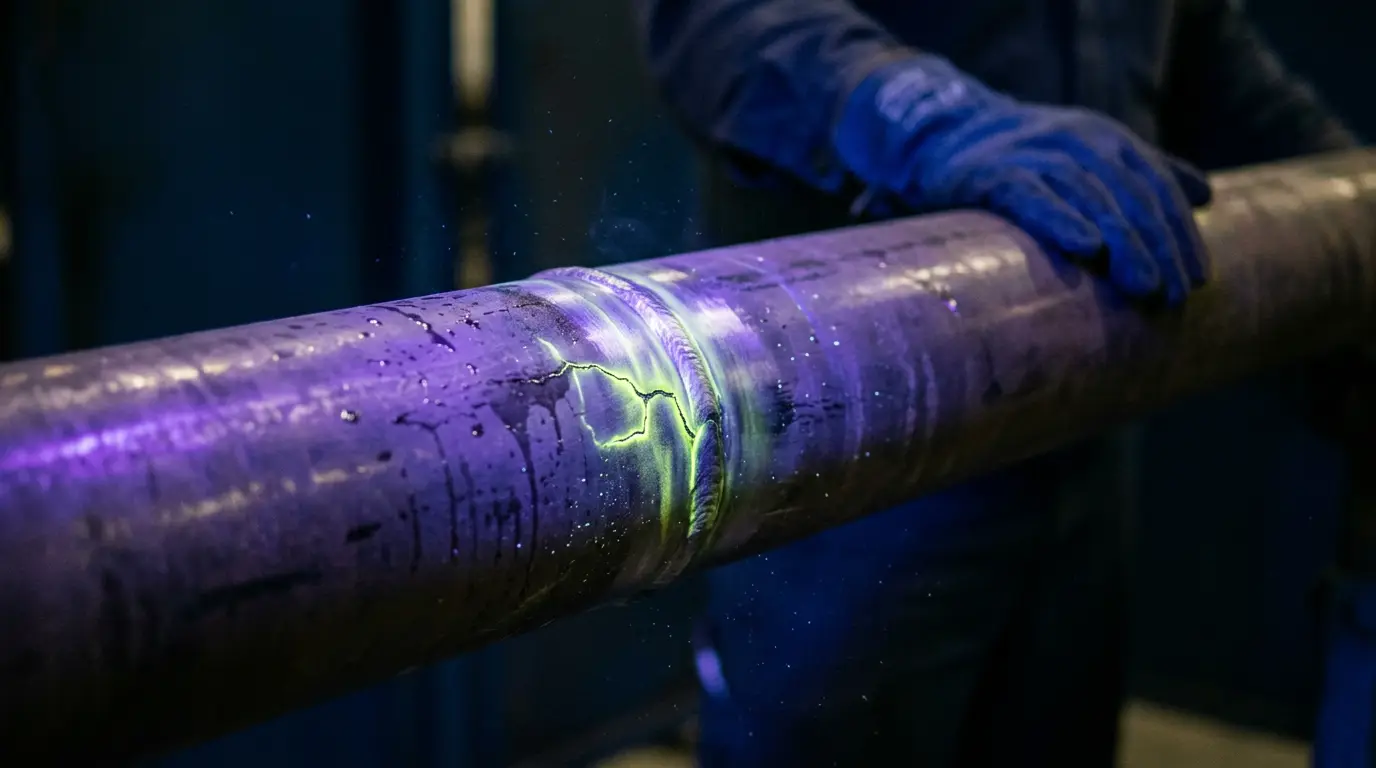
- Start with visual (VT), penetrant (PT) and magnetic particle (MT). They are the cheapest to train in, the fastest to examine in, and they are what fabrication shops and shutdown crews need in bulk. This trio is the realistic route onto a site.
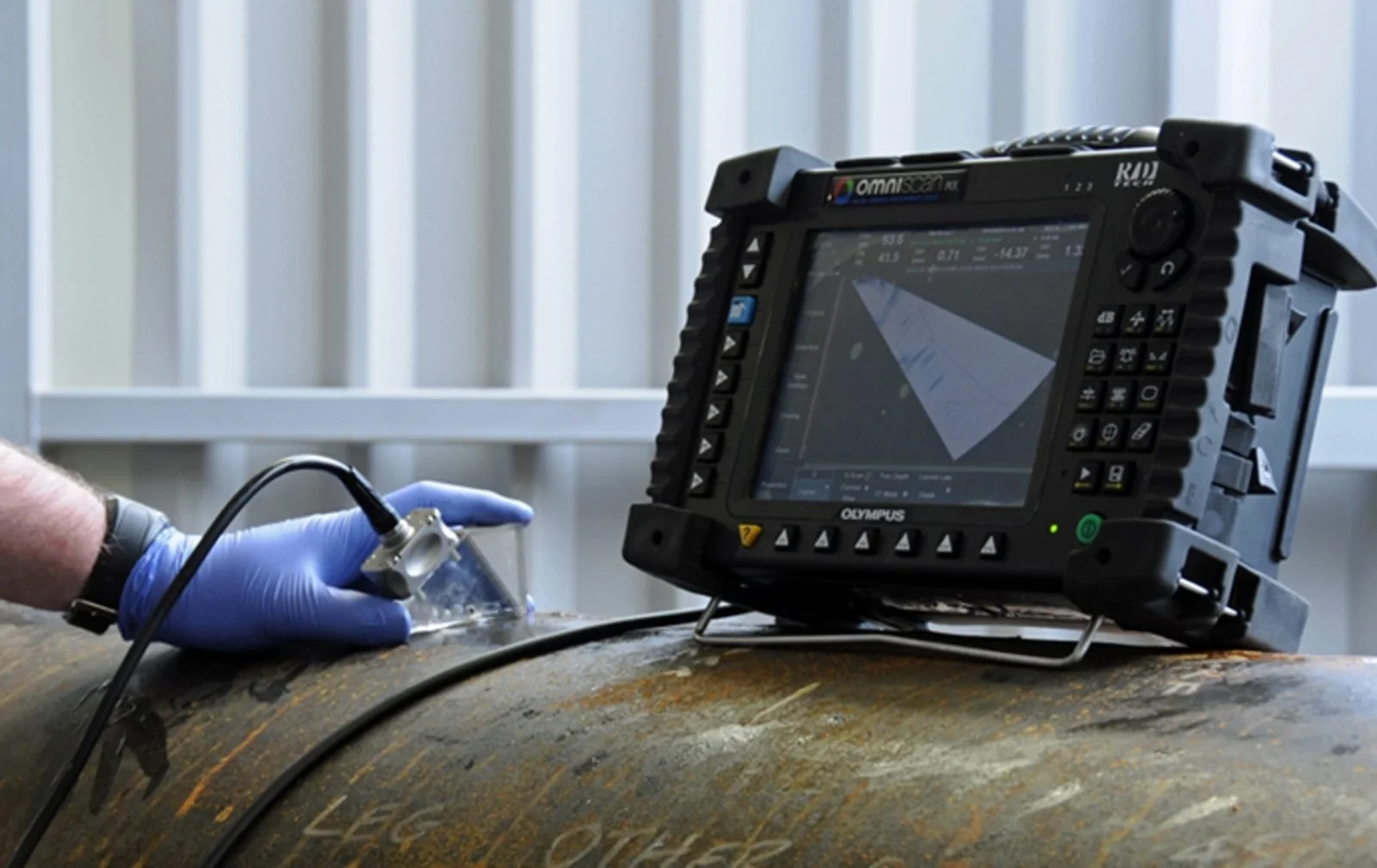
- Add ultrasonic testing (UT) as soon as you can. UT is where pay starts to separate, and it is the gateway to every advanced technique that follows. Thickness surveys and corrosion mapping are steady, year-round work.
- Treat radiography (RT) as a deliberate decision, not a default. It pays, but it brings radiation safety obligations, regulatory licensing and a lot of night work. In India, for example, industrial radiography is regulated and radiographers need the appropriate radiation safety certification before they can operate a source.
- Leave PAUT, TOFD and phased array until you are a competent Level II in conventional UT. Advanced courses taken too early rarely convert into work.
If you are still deciding, our overview of NDT methods explains what each technique detects and where it is used, which is a better basis for choosing than a price list.

How to get experience when every advert demands it
Certified hours are the currency of this trade, so the whole game early on is finding somewhere that will let you accumulate them under supervision. There are more doors than most freshers realise.
- Trainee, helper and assistant roles. They are advertised less prominently and paid less, but they are the standard entry point and the hours count.
- Shutdown and turnaround season. Refineries and power plants need large temporary crews. Contractors hiring for a shutdown are far more willing to take on unproven people than they are for permanent headcount.
- Fabrication shops and in-house QC labs. Less glamorous than offshore, but you will see more welds in a month than a site technician sees in a quarter.
- Third-party inspection agencies. They carry a lot of junior staff and rotate them across clients, which builds a varied logbook quickly.
- Apprenticeships. In the UK and parts of Europe this is the cleanest route in, and it comes with the certification paid for.
Whatever door you get through, start a logbook on day one. Record the date, the client, the method, the material and thickness range, the procedure and code you worked to, and the hours — then get it signed by your Level II or Level III. A signed logbook is the difference between saying you have experience and being able to prove it when a client audits the crew.
One more thing that is unglamorous but true: be willing to relocate for the first year. Freshers who restrict themselves to their home city usually wait two or three times as long for a first break.
Where entry-level NDT vacancies actually appear
Demand for freshers is not spread evenly. It clusters around fabrication belts, refinery corridors and wherever a shutdown calendar is busy.
- India. Chennai, Coimbatore, Mumbai, Vadodara and Visakhapatnam between them carry a large share of the country’s fabrication and refinery inspection work, and they are the most common places for a first NDT job. A very high proportion of the searches that bring people to this site are exactly these city-plus-fresher queries.
- The Gulf. Saudi Arabia, the UAE, Qatar and Oman pay well but usually ask for ISO 9712 plus provable experience. Most people reach the Gulf on their second or third contract, often through an Indian contractor rather than directly.
- UK and Europe. Apprenticeships and PCN-certified trainee positions rather than open fresher adverts. Rope access changes the maths here — combining an IRATA ticket with NDT certification opens work that pure technicians cannot reach, which is covered in our guide on becoming a rope access technician.
- Offshore and marine. Rarely a first job, but a realistic second step once you have a UT logbook.
New vacancies are posted to the global NDT jobs board continuously. If you would rather not check manually, set up vacancy alerts so new postings that match your methods reach you by email. It is also worth browsing the directory of NDT and inspection companies and approaching the smaller regional contractors directly — they hire freshers far more often than they advertise.
An NDT CV that survives the first thirty seconds
Recruiters in this industry are not reading your CV. They are scanning it for certification, then for hours, then for codes. Structure it so those three things are impossible to miss.
- Put a certification block at the very top. One line per method: method, level, scheme, certifying body, certificate number and expiry date. Nothing else belongs above it.
- State logged hours per method. Even modest numbers beat vague claims of familiarity.
- Name the codes and standards you have worked to — ASME Section V and Section VIII, B31.3, AWS D1.1, ISO 17636 and so on. This is the single fastest way to signal that you have been on a real job.
- List materials, thickness ranges and joint configurations, plus the equipment models you have actually used.
- Keep it to two pages, send a PDF, and name the file with your own name and your methods. A file called cv-final-2.pdf gets lost.
Once it is written, put it where employers are already looking. Adding it to the NDT resume database takes a few minutes — you can submit your resume here — and it means recruiters searching for your method and location can find you rather than the other way round.
What freshers can realistically expect to earn
Entry pay varies so widely by country, contract type and industry that any single figure would mislead you. What is far more useful is understanding the shape of NDT pay, because that is what determines how fast your income moves.
- Monthly salary versus day rate. Freshers almost always start on a monthly salary. Day rates come later and are where the large numbers live.
- Uplifts do the heavy lifting. Shutdown work, offshore rotations, night shifts and remote locations attract premiums that can dwarf the base rate.
- Per diem and allowances are often quoted separately from salary. Always ask what is included before comparing two offers.
- Each added method raises your rate, and each advanced technique raises it more. This is why sequencing your certifications matters.
For current market context, see our breakdown of NDT technician salaries and the more specific look at Level II salary and compensation. Treat every figure as a starting point for a conversation, not a benchmark.
Your first ninety days on site
The fresher who lasts is not the one who knows the most theory. It is the one who is safe, calm and easy to supervise.
- Read the procedure before you touch the equipment, and know the acceptance criteria you are working to. Being able to say why an indication is rejectable is what separates a technician from a button-presser.
- Ask before you scan. Nobody minds a question. Everybody minds a re-shoot.
- Get your hours signed weekly rather than at the end of the contract. People leave, and unsigned hours quietly disappear.
- Volunteer to be second man on UT jobs even when you are not certified in it yet. Watching a competent Level II set up a probe is worth more than a week of classroom time.
- Look after your calibration blocks, couplant and cables. Crews notice.
It also helps to be around other people doing the same thing. The jobs and career discussion group and the wider NDT forum are where technicians talk about which contractors are hiring, which training centres are worth the money, and what a fair offer looks like in a given region.
Frequently asked questions
Can I really get an NDT job with no experience?
Yes, but almost always as a trainee, helper or shutdown hire rather than as a technician. The realistic sequence is certification in one or two surface methods, a supervised role where your hours are signed, then your first technician contract.
Which NDT certification is best for a fresher?
Start with the surface methods — visual, penetrant and magnetic particle — and add ultrasonic testing as soon as you can. Choose the scheme based on where you want to work: employer-based ASNT certification if you have an offer in your home market, ISO 9712 if you are aiming at the Gulf, Europe or offshore.
Is ASNT or ISO 9712 better?
Neither is better in the abstract. ASNT employer-based certification is cheaper and quicker but is tied to the employer who issued it. ISO 9712 is independent, portable and more widely demanded by third-party clients. The right answer depends entirely on the market you are targeting.
How long does it take to reach Level II?
It depends on the method and the scheme, because each one specifies its own training hours and documented experience period. Plan in terms of months of supervised work per method rather than weeks, and check the current requirements with the certifying body before you commit money.
Do I need an engineering degree?
No. A degree helps with visa applications and with progression towards Level III, but plenty of excellent technicians come from welding, fitting and machining backgrounds. What the certifying schemes require is the training, the examination and the documented experience.
Which NDT method pays the most?
Advanced ultrasonic techniques such as phased array and TOFD generally command the highest rates, followed by radiography once radiation safety obligations are factored in. None of them are realistic starting points, which is why conventional UT is the method to build towards first.
Where to go from here
The order that works is unglamorous and reliable: certify in a surface method, take any supervised role that will sign your hours, add ultrasonic testing, keep a logbook that a client could audit, and only then start chasing rates. Freshers who follow it are usually working within months. Freshers who wait for the perfect first job are often still waiting a year later.
When you are ready, browse the latest NDT vacancies, add your CV to the resume database so recruiters can find you, and turn on vacancy alerts for your methods. If you still have questions about the industry itself, our NDT FAQ is a good next stop.















0 comments
Sign in to join the discussion.