


Non-destructive testing is one of the few skilled trades where you can go from a standing start to a well-paid, globally portable career in two to four years - without a university degree. But the route into the industry looks different depending on which side of the Atlantic you start on. This guide explains how to become an NDT technician in the USA and the UK, which certifications matter (SNT-TC-1A, ASNT, ISO 9712, PCN, CSWIP), and how to land the first job that starts your hours.
The Two Certification Worlds: Employer-Based vs Central
Almost every NDT certification question comes down to one distinction. In the United States, most industrial certification is employer-based under the ASNT recommended practice SNT-TC-1A: your employer runs a written practice, provides or arranges training, tracks your supervised hours and certifies you in-house. In the UK and most of the world, certification is central under ISO 9712: an independent body examines you and the certificate belongs to you, not your employer. The two best-known ISO 9712 schemes are PCN (administered by BINDT) and CSWIP (administered by TWI). Aerospace adds its own layer via NAS 410 in the US and EN 4179 in Europe.
The USA Route, Step by Step
- Get hired as a trainee or assistant with an NDT service company, refinery contractor or aerospace shop - this is the step most people get backwards; in the US system the employer usually comes first.
- Complete formal training hours for your first methods (classroom or approved online courses in VT, PT, MT and eventually UT or RT).
- Log supervised experience hours under the company written practice - requirements scale with the method.
- Pass general, specific and practical exams to be certified Level I, then Level II, by your employer.
- Build code familiarity (ASME, AWS, API) and consider ASNT NDT Level II/III exams or API certifications to make your credentials more portable.
The UK Route, Step by Step
- Choose a scheme and method - PCN or CSWIP, usually starting with MT and PT, then UT.
- Book approved training at a BINDT/TWI approved training organisation - typically one to two weeks per method at Level 2.
- Meet the experience prerequisites - ISO 9712 requires documented industrial experience before or shortly after the exam, depending on the route.
- Sit the central examination - general, specific and practical papers at an authorised exam centre.
- Keep it current - PCN/CSWIP certificates run on five and ten year renewal cycles, and employers hire you because the ticket travels with you.
Which Method Should You Start With?
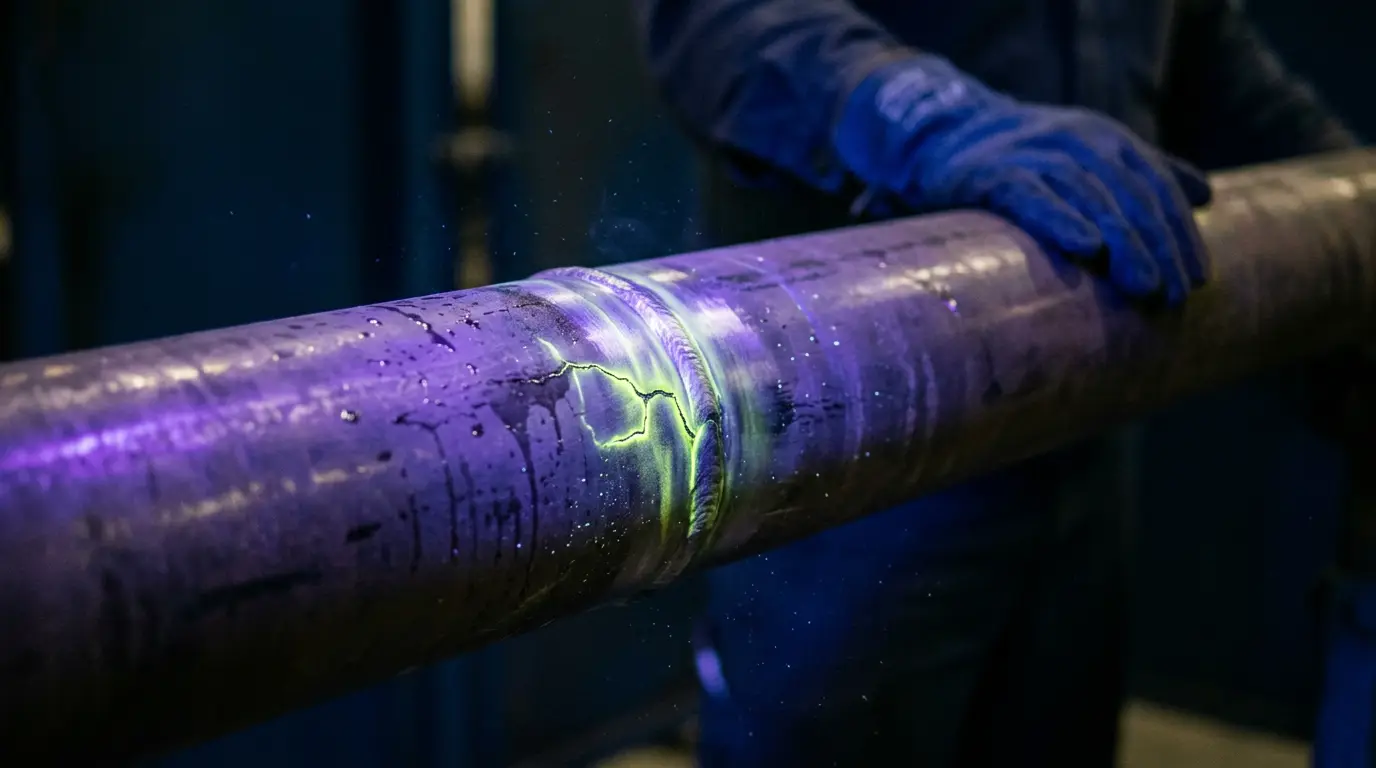
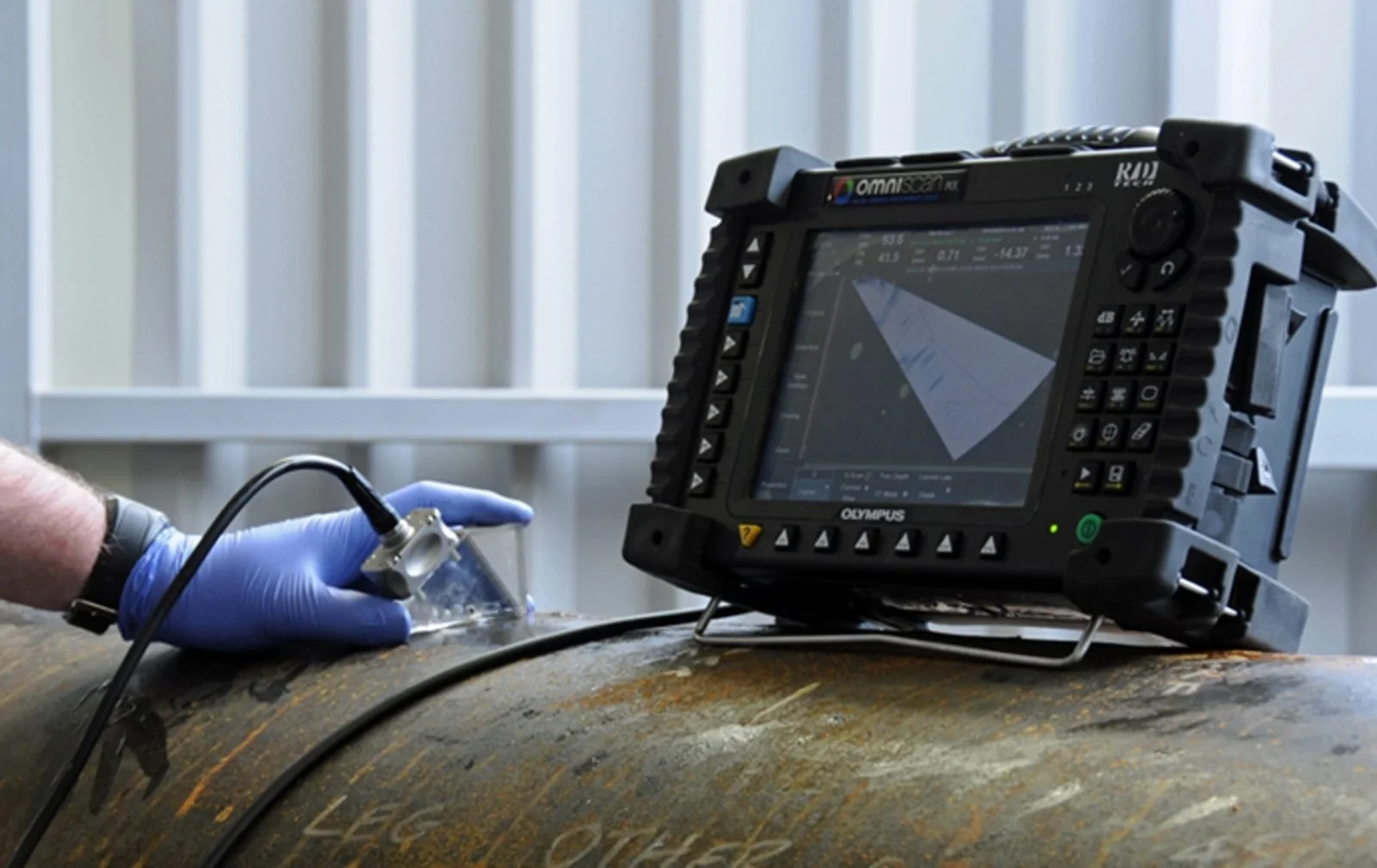
Start with the surface methods - visual (VT), penetrant (PT) and magnetic particle (MT) - which are cheaper to train, quicker to certify and get you working on real jobs fast. Then add ultrasonic testing (UT), the highest-demand mainstream method and the gateway to advanced, higher-paid techniques such as PAUT and TOFD. Radiography (RT) pays well but adds radiation-safety licensing. For a deeper technical grounding, our free Ultrasonic Testing Handbook covers the physics, equipment and calibration you will be examined on.
NDT Certification FAQ
How long does it take to become an NDT technician?
Do I need a degree to work in NDT?
What is the difference between SNT-TC-1A and ISO 9712?
Which NDT certification is best for working internationally?
Ready to start? Browse entry-level and trainee NDT vacancies, check what certified technicians earn in our NDT salary guide, and ask working inspectors your questions in the NDT community groups.















0 comments
Sign in to join the discussion.