
 Join free
 Register your company
 Sign in
General group for power sector
Updates
-
 NDT-Inspect posted an update in the group Power Sector3 years ago
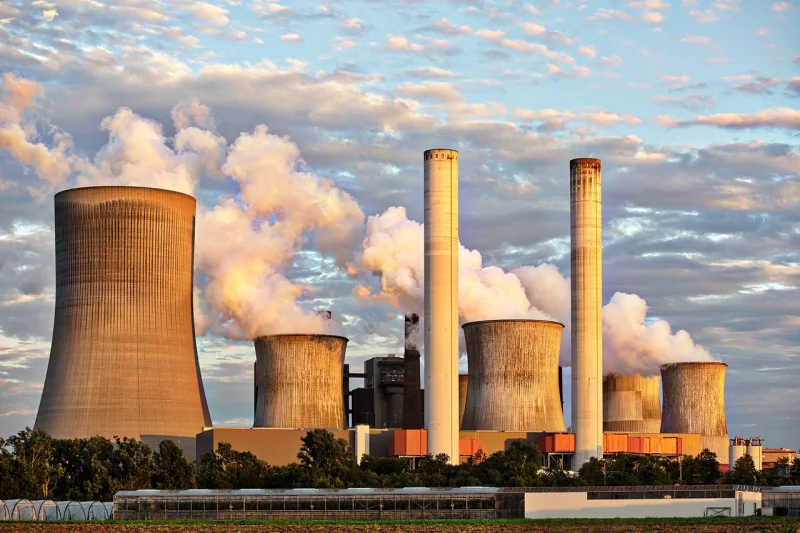
Electricity is produced at a power plant by generating mechanical energy from sources such as coal, natural gas, nuclear fuel, or renewable energy sources such as wind or solar power.
The mechanical energy is used to turn a turbine, which is connected to an electrical generator. As the turbine turns, it causes the generator to spin, producing an electric current.
The current is then directed through power lines to the electrical grid, where it is distributed to consumers.
There are several different methods for generating electricity, and the specific method used depends on the availability of resources and the specific goals and requirements of the power plant.
For example, coal-fired power plants use steam turbines to generate electricity, while hydroelectric power plants use the force of falling water to turn the turbines.
-
NDT-Inspect posted an update in the group Power Sector3 years ago
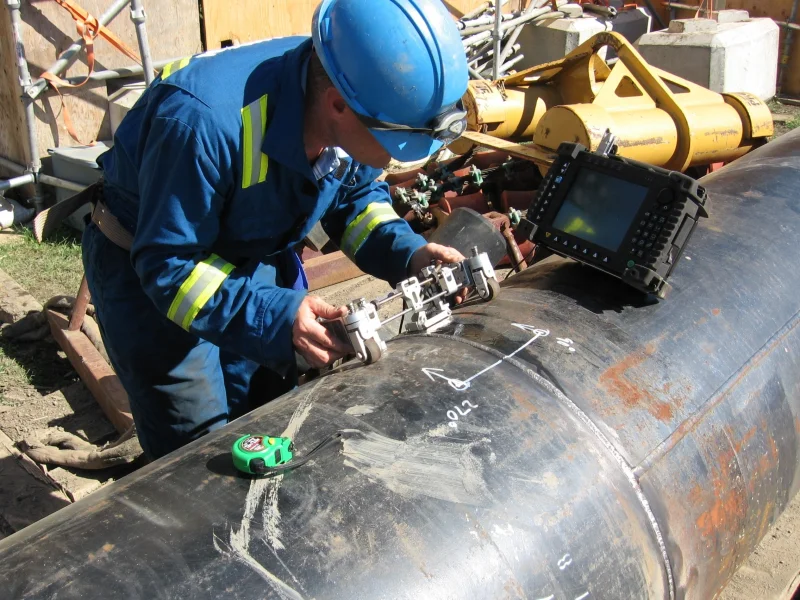
The power industry uses nondestructive testing (NDT) techniques to ensure the safety, reliability, and performance of its products and operations. Power NDT is the application of NDT methods and techniques in the power industry, to inspect and evaluate the structural integrity, serviceability, and quality of power components, materials, and systems.
Power NDT plays a critical role in the design, manufacture, maintenance, and repair of power components and systems, including generators, turbines, transformers, and other systems. Power NDT is used to detect and diagnose defects, flaws, and other imperfections that can affect the safety, performance, and durability of power components and systems.
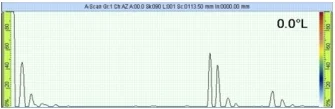
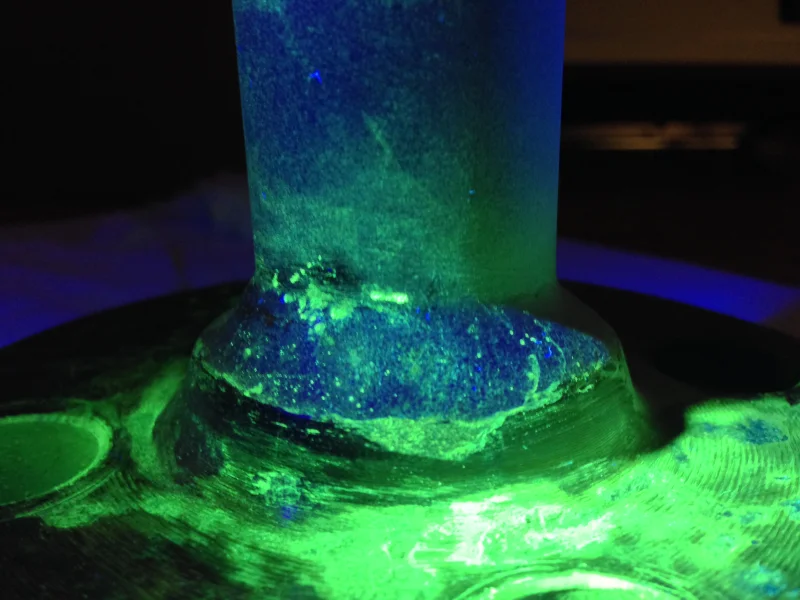
Power NDT typically involves the use of advanced and specialized NDT methods and techniques, such as radiographic testing, ultrasonic testing, eddy current testing, magnetic particle testing, and liquid penetrant testing. These methods and techniques allow power NDT technicians to inspect and evaluate the internal and external surfaces, structures, and properties of power components and systems, without causing any damage or disruption to their function and operation.
Power NDT is performed by qualified and certified NDT technicians, who have the skills, knowledge, and experience to apply the appropriate NDT methods and techniques, and to interpret and evaluate the results of the NDT inspections. Power NDT technicians typically work in power generation and maintenance facilities, and are responsible for ensuring the quality, reliability, and safety of power products and systems.
Power NDT is regulated by national and international standards and guidelines, such as the American Society for Nondestructive Testing (ASNT) and the European Committee for Standardization (CEN). These standards and guidelines provide requirements and guidance for the application, performance, and evaluation of power NDT, and are used to ensure the consistency, reliability, and validity of power NDT inspections and results.
-
NDT-Inspect posted an update in the group Power Sector3 years ago
The power sector is an important industry that involves the generation, transmission, and distribution of electricity. The power sector plays a crucial role in the global economy, as electricity is a vital source of energy for many different industries and activities, including transportation, manufacturing, agriculture, and communications.
The power sector is a complex and dynamic industry, with many different activities and operations, ranging from power generation to transmission and distribution. The power sector is also a capital-intensive and technology-driven industry, with a high demand for advanced equipment, materials, and services.
The power sector consists of several subsectors, including generation, transmission, and distribution. Generation involves the production of electricity, using various sources of energy, such as coal, natural gas, nuclear, hydro, solar, and wind. Transmission involves the transmission of electricity over long distances, using high-voltage transmission lines, substations, and transformers. Distribution involves the distribution of electricity to consumers, using low-voltage distribution networks, meters, and other equipment.
The power sector is subject to a range of economic, political, and environmental factors, which can affect the demand, supply, and price of electricity. The power sector is also subject to various regulations and standards, which are designed to ensure the safety, reliability, and sustainability of power operations.
The power sector employs a large and diverse workforce, with a wide range of skills, knowledge, and experience. The power sector is a major employer, providing jobs and opportunities for people in many different fields, including engineering, science, technology, and business.
Overall, the power sector is a crucial and dynamic industry, which plays a vital role in the global economy, and provides essential energy services for many different industries and activities.