

Welcome to NDT Inspect's industrial health and safety group, a place for professionals to connect and discuss the latest developments and best practices in industrial health and safety.
Industrial health and safety is a critical aspect of ensuring the well-being and safety of workers in various industries, including manufacturing, construction, and oil and gas. It involves the implementation of policies, procedures, and practices to prevent accidents and injuries and to protect the health of workers.
In the field of NDT and inspection, industrial health and safety is an important consideration when conducting non-destructive testing and inspection activities. These activities can involve the use of specialized equipment and procedures, and it is important to follow proper safety protocols to prevent accidents and injuries. Our member group offers a platform for sharing knowledge and best practices on industrial health and safety and its applications in various industries.
Join our community of experts from around the world and be a part of the conversation on advancing the practice of industrial health and safety in the field of NDT and inspection. Whether you are new to industrial health and safety or an experienced professional, you'll find valuable resources and a welcoming community in our group.
Updates
-
 jameswilson posted an update1 year ago
👷♂️ Are You Walking the Talk on Safety and Efficiency?
In high-risk industries like oil & gas, real insights don’t come from reports alone — they come from the field.
Gemba Walks help leaders identify safety gaps, boost team performance, and drive real-time improvements by observing operations where the work happens.
Learn how this simple but powerful practice can:
• Strengthen your safety culture
• Uncover inefficiencies
• Promote continuous improvement
• Empower frontline teams📖 Read the full blog:
https://www.vegascg.com/blog/how-gemba-walks-maximize-safety-and-efficiency-in-oil-gas/
 👍1 1 comment
 -
jameswilson replied to a discussion1 year ago
Your response is well-articulated and highlights the critical impact of weather on workplace safety. You’ve effectively covered various hazards, including extreme temperatures, inclement weather, severe storms, and poor visibility, along with practical mitigation measures.
Great job emphasizing the importance of proactive monitoring, PPE, work modifications, and emergency planning to ensure worker safety. This is valuable information for all industries, especially those involving outdoor or hazardous environments.
Thanks for sharing this insightful post! 🚀👏
👍1 -
 NDT-Inspect started the discussion How weather can affect safety at work in the forum Health and Safety3 years ago
Weather can affect safety at work in several ways. For example:
- Extreme weather conditions, such as extreme heat or cold, can be physically demanding and potentially dangerous for workers, particularly if they are working outdoors or in environments with poor air quality.
- Inclement weather, such as heavy rain, snow, or ice, can create slippery or unstable surfaces, which can increase the risk of falls and other accidents.
- Severe weather events, such as storms, hurricanes, or tornadoes, can damage buildings and equipment, disrupt power and communication systems, and create other hazards that can put workers at risk.
- Poor visibility due to fog, snow, or other weather conditions can make it difficult for workers to see and navigate safely, increasing the risk of collisions, accidents, and other types of injuries.
To address these risks, it is important for employers to monitor weather conditions and take appropriate precautions to protect workers from the effects of weather. This may involve providing appropriate PPE, modifying work schedules or locations, implementing emergency plans, and taking other steps to ensure the safety of workers.
-
3 years ago
Personal protective equipment (PPE) is clothing and equipment that is worn by workers to protect them from hazards in the workplace. Some of the main advantages of using PPE at work include:
- PPE can protect workers from a wide range of hazards, including falls, cuts, chemical spills, electrical shocks, and other types of injuries.
- By protecting workers from injury, PPE can help to reduce the number of lost-time accidents and illnesses in the workplace, which can save businesses money and improve productivity.
- PPE can help to prevent workers from being exposed to hazardous substances or conditions that could cause long-term health problems, such as respiratory illness or hearing loss.
- By providing workers with PPE, employers can show that they are committed to providing a safe and healthy work environment, which can improve morale and reduce turnover.
- Using PPE can also help to comply with safety regulations and standards, which can protect businesses from potential fines and other penalties.
-
 3 years ago
Industrial radiography, also known as industrial X-ray, is a safe and effective method of nondestructive testing that uses ionizing radiation to inspect the internal structure of materials and components. When performed by trained and certified operators using appropriate safety measures, industrial radiography is a safe and effective testing method.
The safety of industrial radiography depends on several factors, including the type of radiation source being used, the level of radiation exposure, and the safety measures in place to protect the operator and other individuals in the vicinity of the testing.
The most common radiation source used in industrial radiography is X-rays, which are a type of ionizing radiation that can penetrate materials and create an image of the internal structure. While X-rays can be harmful to living tissue if not used properly, the levels of radiation exposure during industrial radiography are generally low and pose minimal risk to the operator and other individuals in the vicinity.
To ensure the safety of industrial radiography, operators must follow strict safety protocols and use appropriate personal protective equipment (PPE), such as lead aprons, gloves, and shields. Operators must also maintain a safe distance from the radiation source and use shielding and barriers to minimize the risk of radiation exposure. In addition, industrial radiography equipment must be properly maintained and calibrated to ensure that it is operating correctly and safely.
Overall, industrial radiography is a safe and effective method of nondestructive testing when performed by trained and certified operators using appropriate safety measures. While there is some risk of radiation exposure, the use of proper safety protocols and PPE can greatly reduce this risk and ensure the safety of the operator and others in the vicinity.
-
NDT-Inspect posted an update in the group Health and Safety3 years ago
Occupational health and safety (OHS) refers to the practices, policies, and procedures that are implemented to protect the health and safety of workers in the workplace. OHS is concerned with the identification and control of the hazards and risks that can arise in the workplace, and with providing a safe and healthy work environment for workers.
OHS is important because work-related accidents and illnesses can have serious consequences for workers and their families, including injury, disability, or death. OHS is also important because it can help prevent productivity losses, reduce legal and financial liabilities, and improve the overall quality and sustainability of the workplace.
OHS policies and procedures typically include measures such as hazard identification and risk assessment, provision of personal protective equipment, training and education, emergency preparedness, and incident reporting and investigation. OHS is often governed by legislation and regulations, which set out the minimum requirements for OHS in the workplace. OHS is typically managed by a combination of government agencies, employers, and workers, who all have a role to play in ensuring the health and safety of workers.
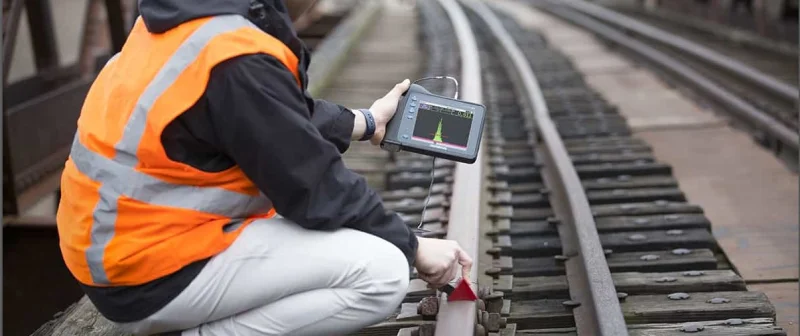








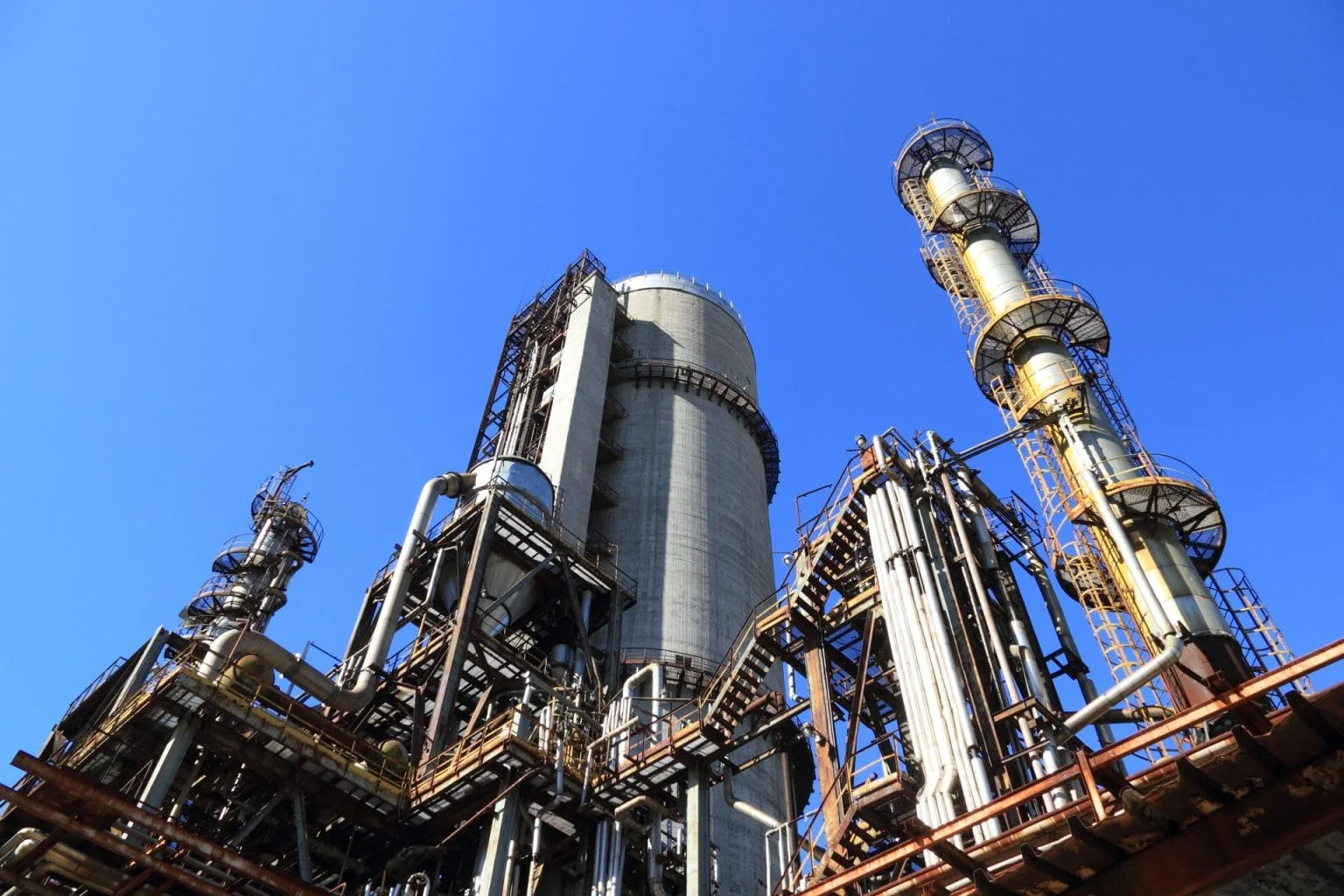

If you follow proper procedure like compliance, safety checklists etc. then chances of safety risk reduces.