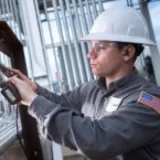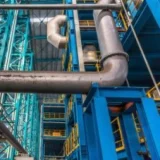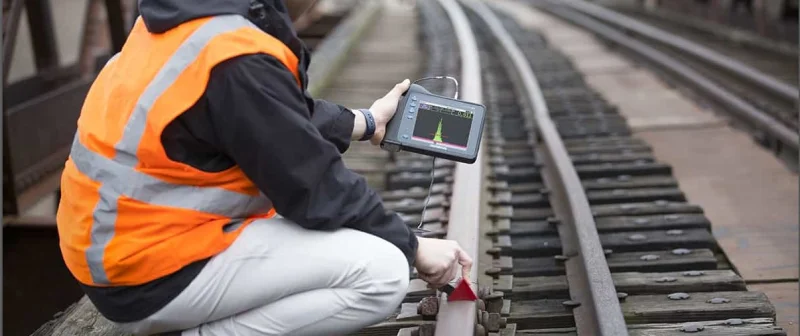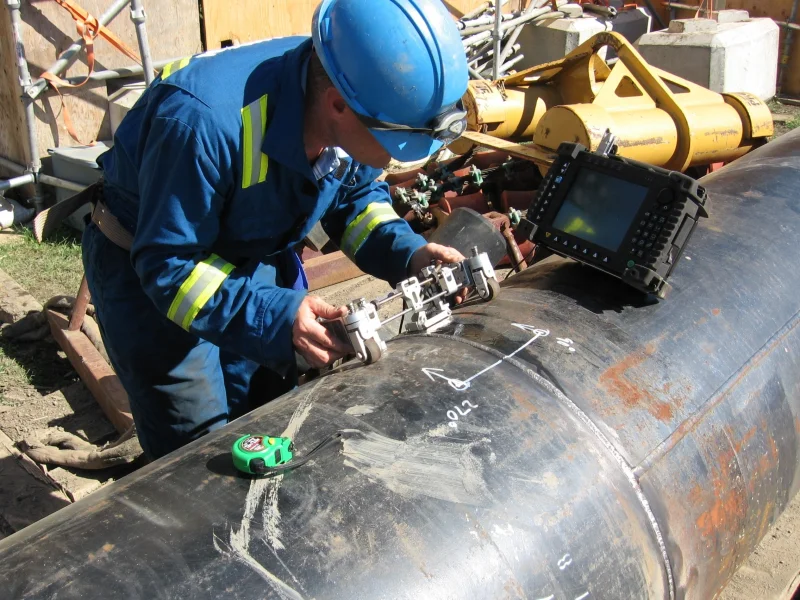

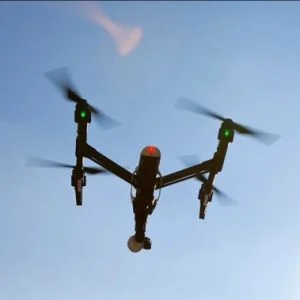
Welcome to NDT Inspect's remote visual inspection (RVI) group, a place for professionals to connect and discuss the latest techniques and technologies in RVI using drones and crawlers with cameras.
Remote visual inspection (RVI) is a specialized field within non-destructive testing (NDT) and inspection that involves the evaluation of components, structures, and materials using specialized equipment and techniques to ensure their safety and reliability. It is an important aspect of ensuring the safety of personnel and equipment in various industries, including manufacturing, construction, and engineering.
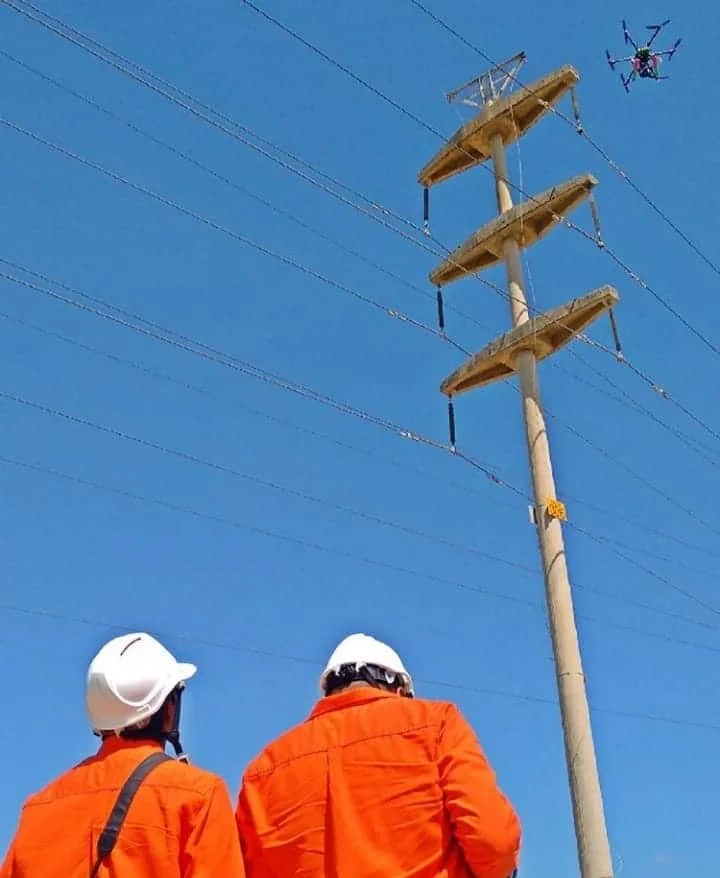
Remote visual inspection (RVI) using drones and crawlers with cameras involves the use of specialized unmanned aerial vehicles (UAVs) or remotely operated vehicles (ROVs) equipped with cameras and other sensors to remotely inspect components, structures, and materials. It may involve the use of other NDT methods, such as ultrasonic testing, radiographic testing, and magnetic particle inspection, to identify any potential issues or defects, such as cracks, porosity, or corrosion. RVI using drones and crawlers with cameras is often used in situations where it is not possible or safe for an inspector to physically access the inspection site, such as in confined spaces, hazardous environments, or high-voltage areas.
Our member group offers a platform for sharing knowledge and best practices on RVI using drones and crawlers with cameras and its applications in various industries. Join our community of experts from around the world and be a part of the conversation on advancing the practice of RVI using drones and crawlers with cameras and its applications in the field of NDT and inspection. Whether you are new to RVI or an experienced professional, you'll find valuable resources and a welcoming community in our group.
Updates
-
 jennayang posted an update1 year ago
-
jennayang posted an update1 year ago

-
jennayang posted an update1 year ago
High-Speed Rail Electric Cabinet Inspection 🚆
👍2 -
 NDT-Inspect started the discussion Drone remote visual inspection (DRVI) in the forum Remote Visual Inspection3 years ago
Drone remote visual inspection (DRVI) is a non-destructive testing technique that involves the use of drones to conduct remote visual inspections of objects and structures. DRVI combines the capabilities of remote visual inspection (RVI) with the flexibility and mobility of drones, allowing for the inspection of objects and structures that may be difficult or impossible to access using traditional methods.
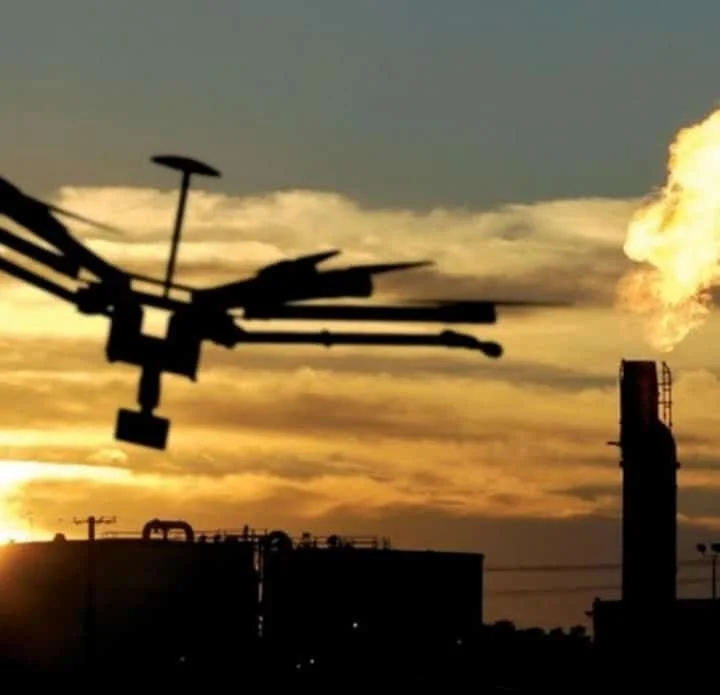
DRVI is commonly used in a wide range of industries, including manufacturing, aerospace, and petrochemical. It is a valuable tool for identifying potential issues and defects in materials and components, such as cracks, corrosion, or other damage. DRVI can also be used to verify the quality and integrity of an object, such as to ensure that it meets the specified design specifications.
One of the key advantages of DRVI is that it allows for the inspection of objects and structures that are located in challenging or inaccessible environments. This can include objects that are located in tight or confined spaces, objects that are too large or heavy to be moved, or objects that are located in hazardous environments. By using drones to conduct the inspection, DRVI can provide access to these objects and structures without requiring the use of specialized equipment or putting inspectors at risk.
DRVI is typically performed by trained and certified inspectors who have experience with the specialized equipment and techniques used in DRVI. The inspection process typically involves the use of a drone equipped with a high-resolution camera or other RVI equipment, such as a borescope or fiberscope. The inspector will carefully operate the drone to obtain clear and detailed images or video of the object or structure being inspected, allowing them to identify any potential issues or defects.
Overall, drone remote visual inspection is a valuable tool for conducting remote visual inspections of objects and structures in challenging or inaccessible environments. By combining the capabilities of RVI with the flexibility and mobility of drones, DRVI can provide valuable insights and help to ensure the safe and reliable operation of critical equipment and systems.
-
3 years ago
Remote visual inspection (RVI) is a non-destructive testing technique that is used to examine the internal and external surfaces of a variety of objects and structures. RVI involves the use of specialized equipment, such as borescopes and fiberscopes, to visually inspect the surface of an object without physically touching it.
RVI is commonly used in a wide range of industries, including manufacturing, aerospace, and petrochemical. It is a valuable tool for identifying potential issues and defects in materials and components, such as cracks, corrosion, or other damage. RVI can also be used to verify the quality and integrity of an object, such as to ensure that it meets the specified design specifications.
One of the key advantages of RVI is that it allows for the inspection of objects and structures that may be difficult or impossible to access using traditional methods. This can include objects that are located in tight or confined spaces, objects that are too large or heavy to be moved, or objects that are located in hazardous or challenging environments.
RVI is typically performed by trained and certified inspectors who have experience with the specialized equipment and techniques used in RVI. The inspection process typically involves the use of a borescope or fiberscope to visually examine the surface of the object, with the inspector carefully observing the images or video captured by the RVI equipment to identify any potential issues or defects.
Overall, remote visual inspection is a valuable tool for identifying potential issues and defects in materials and components, as well as for verifying the quality and integrity of objects and structures. By allowing for the inspection of objects and structures that may be difficult or impossible to access using traditional methods, RVI can help to ensure the safe and reliable operation of critical equipment and systems.
-
NDT-Inspect posted an update in the group Remote Visual Inspection (RVI)3 years ago
Remote visual inspection (RVI) is a type of inspection that is performed using specialized equipment, such as video cameras or borescopes, to remotely view and evaluate the condition of materials or components. RVI allows an inspector to examine the interior or exterior of a structure or device without the need for direct access, and can be performed from a safe distance or in difficult-to-reach locations.
RVI is commonly used in industries such as aerospace, oil and gas, and power generation, where it is important to inspect materials or components that are inaccessible or hazardous to examine directly. RVI can be used to detect surface defects, such as cracks, corrosion, or wear, and to evaluate the condition of coatings, linings, or welds. RVI can also be used to measure dimensions, assess the cleanliness of surfaces, or to verify that components are correctly installed or aligned.
RVI is typically performed by trained and certified personnel, using specialized equipment and techniques, and is often governed by specific standards and procedures. The results of the RVI are typically documented and used to identify and address any problems or nonconformities, and to improve the performance and reliability of the materials or components being inspected. RVI is a valuable tool for ensuring the safety and integrity of materials and components, and can also help to save time and cost compared to other inspection methods.
-
 mohamed-ali-bagath joined the group Remote Visual Inspection (RVI)4 years ago
 -
 Noizyboy posted an update in the group Remote Visual Inspection5 years ago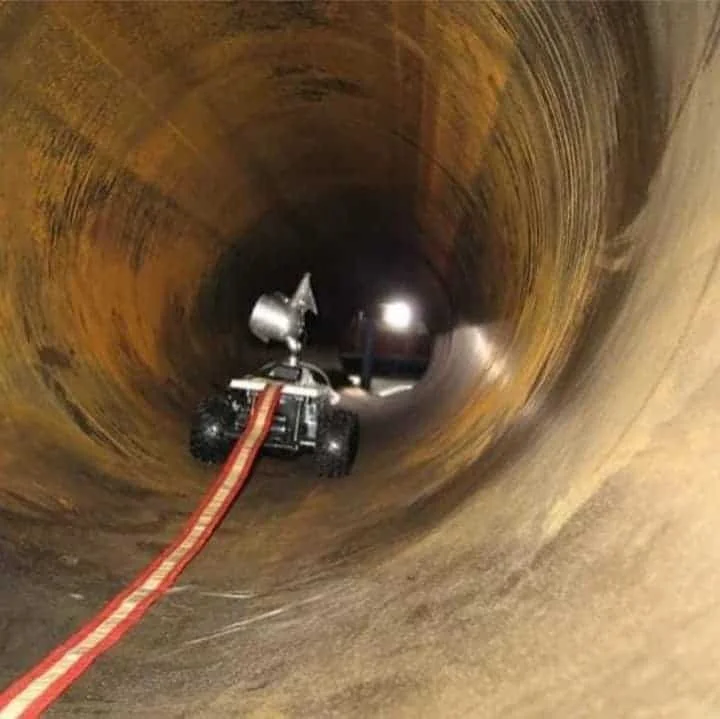
-
Noizyboy posted an update in the group Remote Visual Inspection6 years ago
-
Noizyboy posted an update in the group Remote Visual Inspection6 years ago
 👍1
👍1