
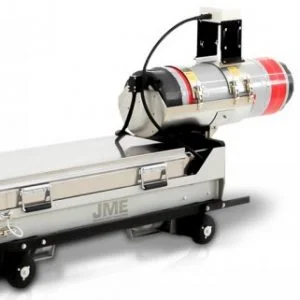
Welcome to NDT Inspect's pipeline X-ray inspection group, a place for professionals to connect and discuss the latest techniques and technologies in pipeline X-ray inspection.
Pipeline X-ray inspection is a specialized technique used to evaluate the condition and performance of pipelines using X-ray technology. It is an important aspect of ensuring the integrity and reliability of pipelines in various industries, including oil and gas, water and wastewater, and transportation.
Pipeline X-ray inspection involves the use of specialized X-ray equipment and techniques to produce detailed images of the internal structure of pipelines. These images can be used to identify any potential issues or defects, such as cracks, corrosion, or weld defects, and to evaluate the condition of the pipeline. Pipeline X-ray inspection is often used in conjunction with other non-destructive testing (NDT) methods, such as ultrasonic testing and magnetic particle inspection, to provide a comprehensive evaluation of the pipeline.
Our member group offers a platform for sharing knowledge and best practices on pipeline X-ray inspection and its applications in various industries. Join our community of experts from around the world and be a part of the conversation on advancing the practice of pipeline X-ray inspection and its applications in the field of NDT and inspection. Whether you are new to pipeline X-ray inspection or an experienced professional, you'll find valuable resources and a welcoming community in our group.
Updates
-
 NDT-Inspect posted an update in the group Pipeline X-Ray Inspection3 years ago
Pipeline X-ray inspection is a type of nondestructive testing (NDT) used in the oil and gas industry to inspect and evaluate the condition of pipelines. Pipeline X-ray inspection involves the use of X-ray technology to generate images of the internal and external surfaces of the pipeline, and to detect and diagnose defects, corrosion, and other anomalies.
Pipeline X-ray inspection is typically performed on pipelines that transport oil, gas, and other fluids, and is used to ensure the safety, reliability, and performance of the pipeline. Pipeline X-ray inspection is a fast and efficient way to inspect pipelines, and is typically performed on-site, without the need to disassemble or interrupt the pipeline's operation.
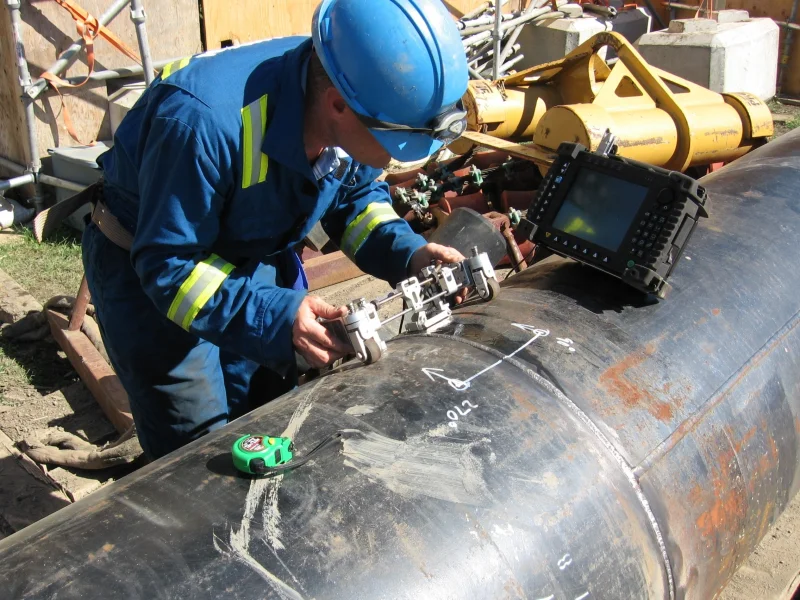
Pipeline X-ray inspection typically involves the use of specialized X-ray equipment, such as portable X-ray generators and detectors, and imaging software. The X-ray equipment is used to generate high-quality images of the pipeline, and to provide detailed and accurate information about the pipeline's condition.
Pipeline X-ray inspection is performed by qualified and certified NDT technicians, who have the skills, knowledge, and experience to operate the X-ray equipment, and to interpret and evaluate the results of the inspections. Pipeline X-ray inspection technicians typically work in oil and gas facilities, and are responsible for ensuring the quality, reliability, and safety of the pipelines.
Pipeline X-ray inspection is regulated by national and international standards and guidelines, such as the American Society for Nondestructive Testing (ASNT) and the European Committee for Standardization (CEN). These standards and guidelines provide requirements and guidance for the application, performance, and evaluation of pipeline X-ray inspection, and are used to ensure the consistency, reliability, and validity of pipeline X-ray inspection inspections and results.