Acceptance for ultrasonic testing depends entirely on which code or procedure governs the job, but the common approaches are:
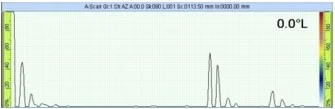
- Amplitude-based acceptance using a Distance Amplitude Correction (DAC) curve or Transfer Gain/DGS (AVG) method — indications are evaluated against reference reflector levels (e.g. side-drilled holes, notches) and classed by amplitude against a reject line, as in ASME V/VIII or AWS D1.1.
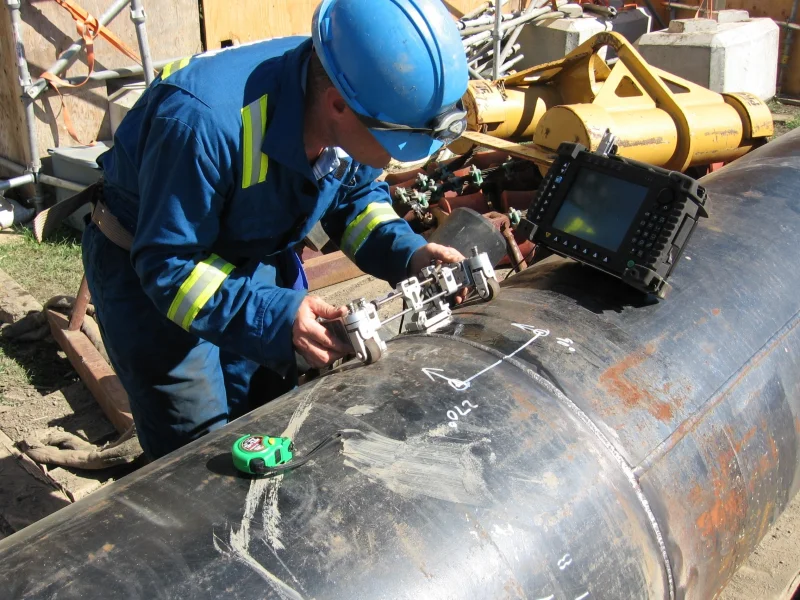
- Zonal discrimination / fixed gain techniques for phased array, often used on pipeline girth welds (API 1104, AWS D1.1 Annex) where the weld is split into zones with separate scan planes and gain settings tied to flaw height.
- TOFD for sizing, usually combined with a pulse-echo technique for detection and characterisation — sizing accuracy is what's compared against the acceptance table rather than amplitude.
- Fitness-for-service / ECA-based acceptance, where flaw size and type are assessed against engineering critical assessment limits (BS 7910, API 579) rather than a fixed table — common on higher-risk or thicker pipeline and pressure vessel welds.
Which one applies is set by the project's written procedure and the referencing code (ASME, AWS, API, ISO), and the final call always sits with the procedure and the responsible Level II/III, not with the technique alone. If you can share the code or industry you're working in, people here can point to the exact clause.
For more detail and to compare notes with others doing similar work, the Ultrasonic Testing (UT) group and Codes and Standards group are good places to dig into specifics.