

 Join free
 Register your company
 Sign in
jameswilson
-
 jameswilson posted an update1 year ago
👷♂️ Are You Walking the Talk on Safety and Efficiency?
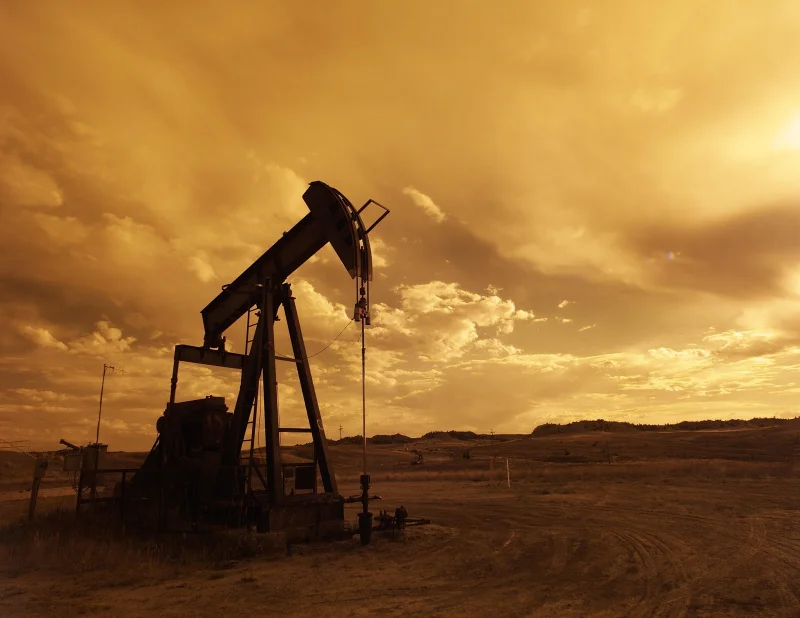
In high-risk industries like oil & gas, real insights don’t come from reports alone — they come from the field.
Gemba Walks help leaders identify safety gaps, boost team performance, and drive real-time improvements by observing operations where the work happens.
Learn how this simple but powerful practice can:
• Strengthen your safety culture
• Uncover inefficiencies
• Promote continuous improvement
• Empower frontline teams📖 Read the full blog:
https://www.vegascg.com/blog/how-gemba-walks-maximize-safety-and-efficiency-in-oil-gas/
 👍1 1 comment
 -
jameswilson posted an update1 year ago
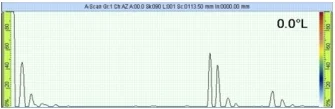
Ultrasonic Testing Resource
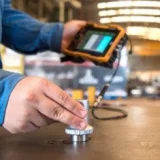
Check out this useful page covering UT techniques, standards, and services. Great reference for both beginners and professionals!
👉 https://www.vegascg.com/ultrasonic-testing/👍1 -
jameswilson replied to a discussion1 year ago
Hi,
Implementing an effective Quality Management System (QMS) under API SPEC Q2 is crucial for improving quality control in your steel pipe manufacturing facility. Here’s where you can start:
- Conduct a Gap Analysis – Identify the gaps between your current processes and API SPEC Q2 requirements.
- Develop & Standardize Procedures – Establish clear protocols for risk assessment, supplier evaluation, non-conformance management, and corrective actions.
- Enhance Training & Awareness – Ensure all employees understand and follow API SPEC Q2 best practices.
- Implement Internal Audits – Regular audits will help monitor compliance and drive continuous improvement.
- Address Non-Conforming Products – A structured approach to handling defective products is critical to improving overall quality.
For practical guidance on managing non-conforming products in manufacturing, check out our blog:
👉 Read More HereIf you need expert consulting or auditing services for API SPEC Q2 implementation, feel free to reach out—we’d be happy to assist you!
Best regards,
James Wilson👍1 -
jameswilson replied to a discussion1 year ago
Your response is well-articulated and highlights the critical impact of weather on workplace safety. You’ve effectively covered various hazards, including extreme temperatures, inclement weather, severe storms, and poor visibility, along with practical mitigation measures.
Great job emphasizing the importance of proactive monitoring, PPE, work modifications, and emergency planning to ensure worker safety. This is valuable information for all industries, especially those involving outdoor or hazardous environments.
Thanks for sharing this insightful post! 🚀👏
👍1 -
jameswilson replied to a discussion1 year ago
NDT plays a vital role in ensuring quality control in manufacturing by enabling early defect detection, minimizing costs, and preventing failures. Common techniques like ultrasonic, eddy current, and radiographic testing each offer unique advantages depending on the material and defect type.
However, challenges like inspecting complex geometries, difficult materials, or achieving sufficient depth can limit effectiveness. Overcoming these often involves specialized equipment, combining methods, or custom procedures.
The key to maximizing NDT benefits lies in selecting the right technique for the application, staying updated with advancements, and continuously improving inspection processes.
-
jameswilson posted an update1 year ago
Discover the key differences between Quality Control and Quality Inspection in the oil and gas industry. Learn how both approaches ensure operational excellence, safety, and compliance.
Read to know more: https://www.vegascg.com/blog/difference-between-quality-control-and-inspection-in-manufacturing/

-
jameswilson replied to a discussion1 year ago
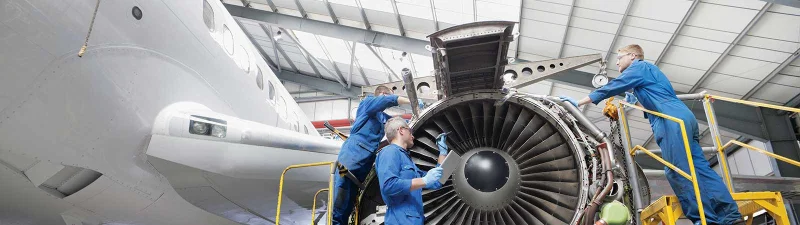
NDT (Non-Destructive Testing) is a method used to inspect materials or components without causing any damage. It helps detect problems like cracks, corrosion, or other defects that could affect the material’s performance. Common techniques include ultrasonic testing, eddy current testing, and magnetic particle testing, among others. These methods are widely used in industries like oil and gas, aerospace, and manufacturing to ensure safety and reliability without interrupting operations.
In short, NDT is a crucial tool for maintaining equipment and preventing failures, while keeping everything intact.
👍3 -
jameswilson replied to a discussion1 year ago
Great explanation of the difference between NDT and NDE! You’ve made it clear that while both methods focus on evaluating materials without causing damage, NDE is a broader term encompassing more techniques. I highly encourage readers to explore this insightful post further on my page to dive deeper into the nuances and applications of these critical inspection methods: Visit: NDT vs. NDE: Understanding the Differences and Applications
-
jameswilson replied to a discussion1 year ago
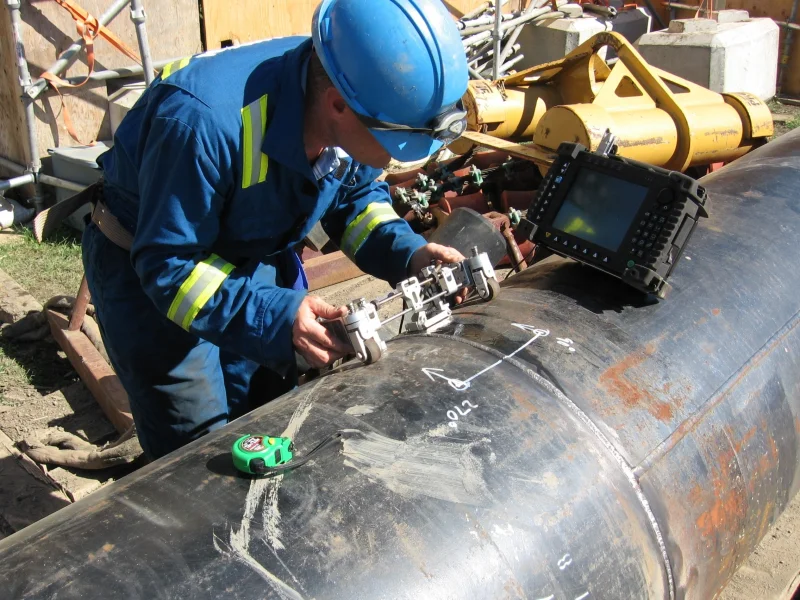
An NDT Technician is responsible for preparing inspection tools and equipment for transport, assisting with setup, mechanical refurbishment, and cleaning, and maintaining accurate project documentation to support customers and field personnel effectively.
👍1 -
jameswilson replied to a discussion1 year ago
For Eddy Current Testing (ECT) on weldments, several standards provide guidance on procedures, equipment, and interpretation of results. Here are key standards commonly followed:
ASTM E566 – Standard Practice for Electromagnetic (Eddy Current) Sorting of Ferrous Metals: Useful for general ECT, this standard provides guidelines on sorting and quality assessment for ferrous metals.
ASTM E376 – Standard Practice for Measuring Coating Thickness by Magnetic-Field or Eddy-Current (Electromagnetic) Testing Methods: Helpful if you're checking for coating thickness on weldments.
ISO 17643 – Non-destructive Testing of Welds – Eddy Current Testing of Welds by Complex Plane Analysis: Specifically tailored for welds, this ISO standard details ECT procedures for detecting surface and near-surface defects in welds.
ASME Section V, Article 8 – Eddy Current Examination: Part of the ASME Boiler and Pressure Vessel Code, this provides guidelines on eddy current examination of materials, including weldments, in pressure vessels and other critical applications.
These standards cover a range of applications and can guide you in conducting a thorough and compliant Eddy Current inspection on weldments. Make sure to choose the one most aligned with your specific inspection requirements and industry standards.
Hope this helps!
-
jameswilson posted an update1 year ago
NDT vs. NDE: Understanding the Differences and Applications - Vegas Consulting
Explore the key differences between NDT and NDE and see how Vegas Consulting's expert inspection services ensure asset safety and reliability with cutting-edge technology.
Read more here : https://www.vegascg.com/blog/what-is-the-difference-between-nde-and-ndt/




















If you follow proper procedure like compliance, safety checklists etc. then chances of safety risk reduces.