400 members · Public group
Started 3 years ago
Amine cracking can occur in carbon steel pipelines, which are commonly used in the oil and gas industry. The degradation of amine-based chemicals can lead to corrosion in the pipelines, causing the steel to degrade and potentially leading to leaks and other operational issues. This is why proper selection and use of amine-based chemicals, as well as regular monitoring and maintenance, is crucial in ensuring the safe and effective operation of carbon steel pipelines.
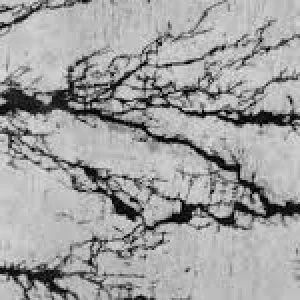
Amine cracking in HAZ on carbon steel
Amine cracking can occur in the heat-affected zone (HAZ) of carbon steel pipelines, especially in situations where the temperature exceeds the recommended limits for the particular amine-based chemical being used. The high temperatures can cause the amine-based chemical to degrade, leading to corrosion and potential cracking in the HAZ. This can compromise the integrity and safety of the pipeline, and result in operational issues.
1 reply

3 hours ago
Amine cracking is a serious failure mechanism in carbon and low-alloy steels, particularly in the heat-affected zone (HAZ) of welds. Here's what matters for inspection and prevention:
The mechanism: Amine-based treating chemicals (used in refining and petrochemical processes) can cause stress-corrosion cracking in susceptible microstructures, especially in hardened HAZ regions where residual tensile stresses are high. The cracking is typically intergranular and delayed — it may appear hours or days after welding.
Prevention is key:
- Material selection: use steels with lower carbon equivalence (CE) to reduce HAZ hardness
- Preheat and interpass temperature control to slow cooling and reduce hardness
- Post-weld heat treatment (PWHT) to relieve residual stresses — this is the most effective control
- Hydrogen control: keep diffusible hydrogen low by using low-hydrogen welding processes and consumables
Inspection:
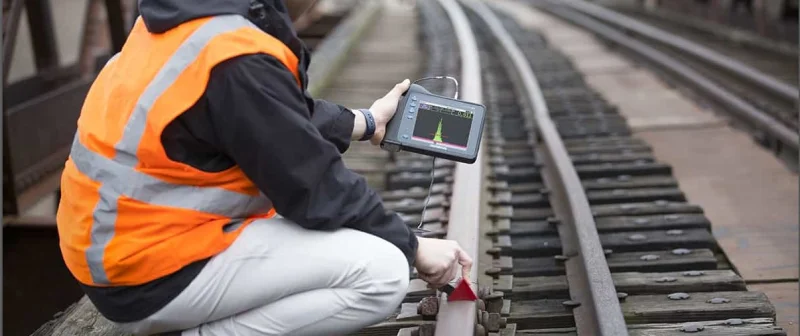
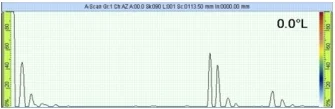
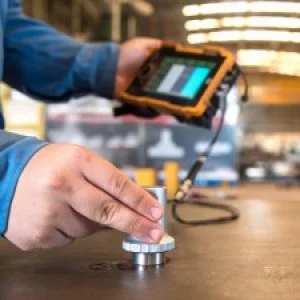
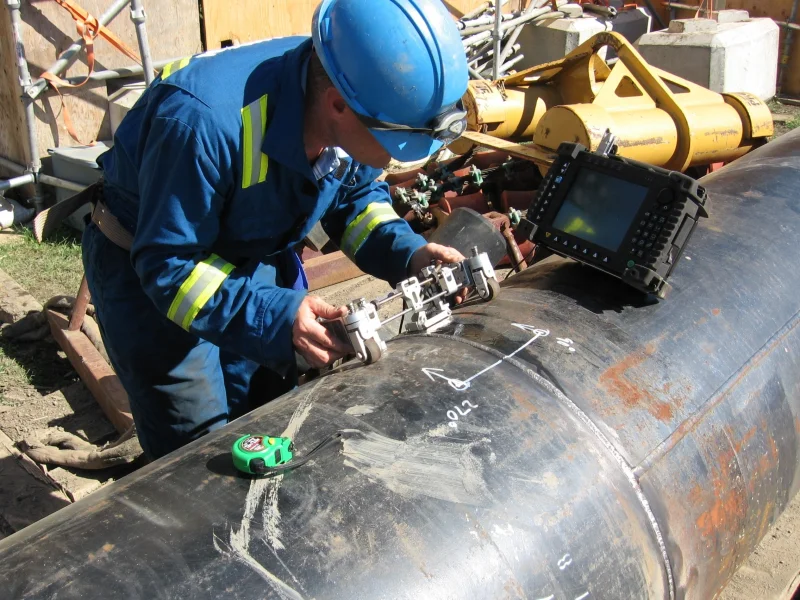
- Ultrasonic testing (UT) and radiography (RT) can detect cracks, but amine cracking is often tight and subsurface — detection is challenging
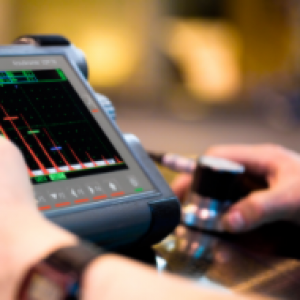
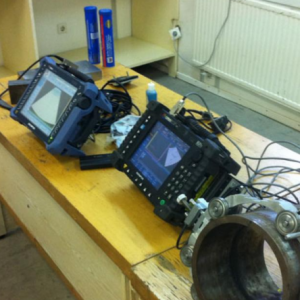
- Phased array UT (PAUT) offers better sensitivity to tight, near-vertical cracks in the HAZ
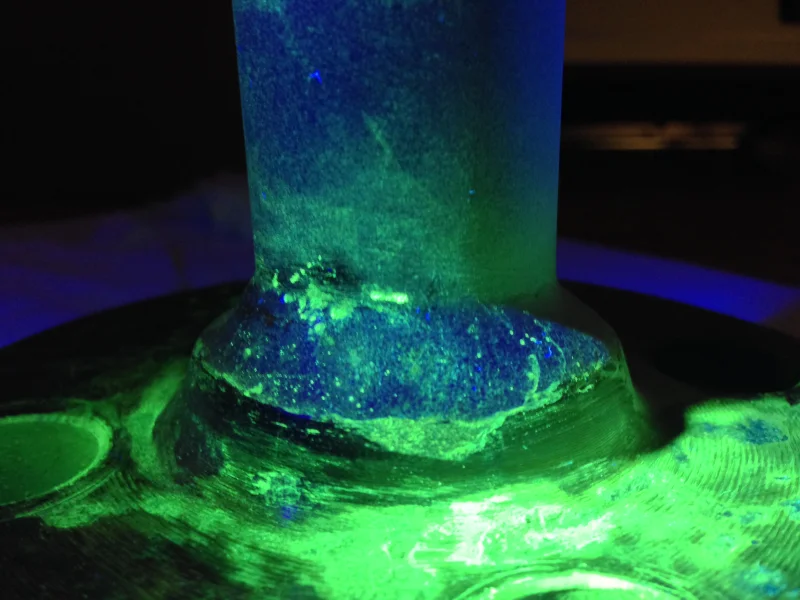
- Surface methods (PT, MT) help find surface-breaking indications
- The governing code — ASME B31.3 for process piping, API 579 for fitness-for-service, or your project specification — defines acceptance criteria and inspection requirements
The specific inspection technique, acceptance limits and repair decisions must follow your applicable code, written procedure and a Level III or authorised inspector. If amine cracking is suspected in service, consult the relevant fitness-for-service standard and your materials engineer.
Sign in to reply to this discussion.


 Join free
 Register your company
 Sign in