








What’s new on NDT Inspect
Latest NDT & inspection industry news, jobs and community updates
Live updates from the NDT Inspect community: new NDT job vacancies, product launches from the virtual exhibition, forum discussions and member activity across ultrasonic, radiographic, phased array and every other inspection method. Join free to post and follow.
Members post updates, comment, react and follow the companies they work with. Already a member? Sign in
680 posts in UpdatesClear
-
-
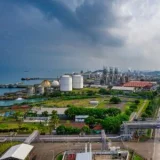
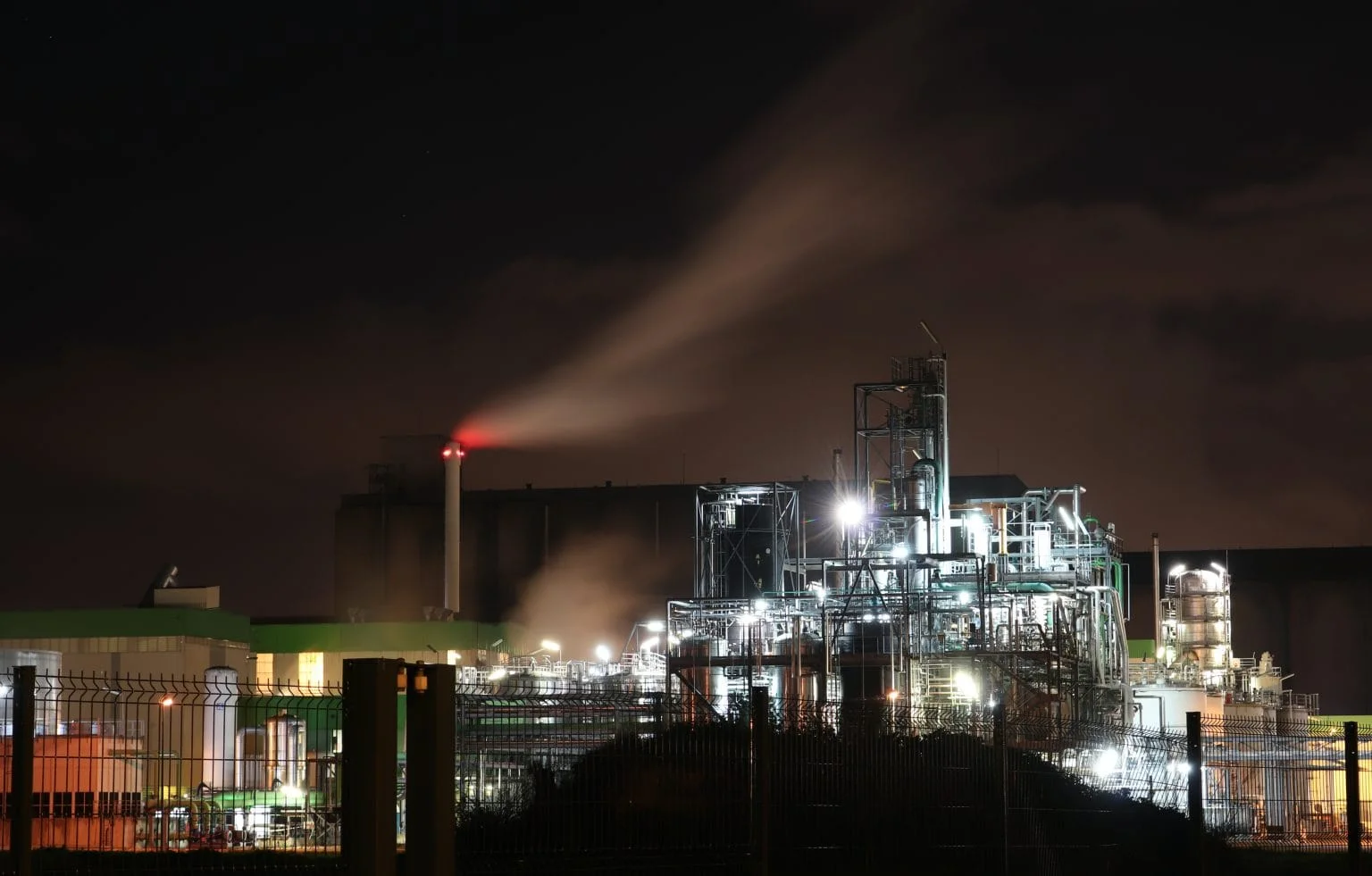
Fire Breaks Out At Romanian Refinery On Black Sea Coast
A blast followed by a fire occurred on June 21 at Romania's largest oil refinery, Petromidia, located on the Black Sea coast, Romanian emergency services were quoted by local media as saying. Firefighters have been working to put out the fire, which can be seen from many kilometers away. There were no immediate reports about victims or information about what caused the explosion. An explosion at Petromidia last year in July killed one person and injured five others.
-
I HAVE excellent 5 years experience in NDT field. I'm living in Qatar for 7 months with free visa. Let me know if there is any ndt related jobs.
-
Hii
-
-
-
-
-
-
NDT And Rope Access Any Job Vacancies Please Contact Me +91 8939280351
-
A well-established organization is seeking a Level 2 or 3 PAUT professional to develop a PAUT procedure for shell welds and nozzles on stainless steel vessel.
Interested parties are encouraged to reach out to me for further information.
-
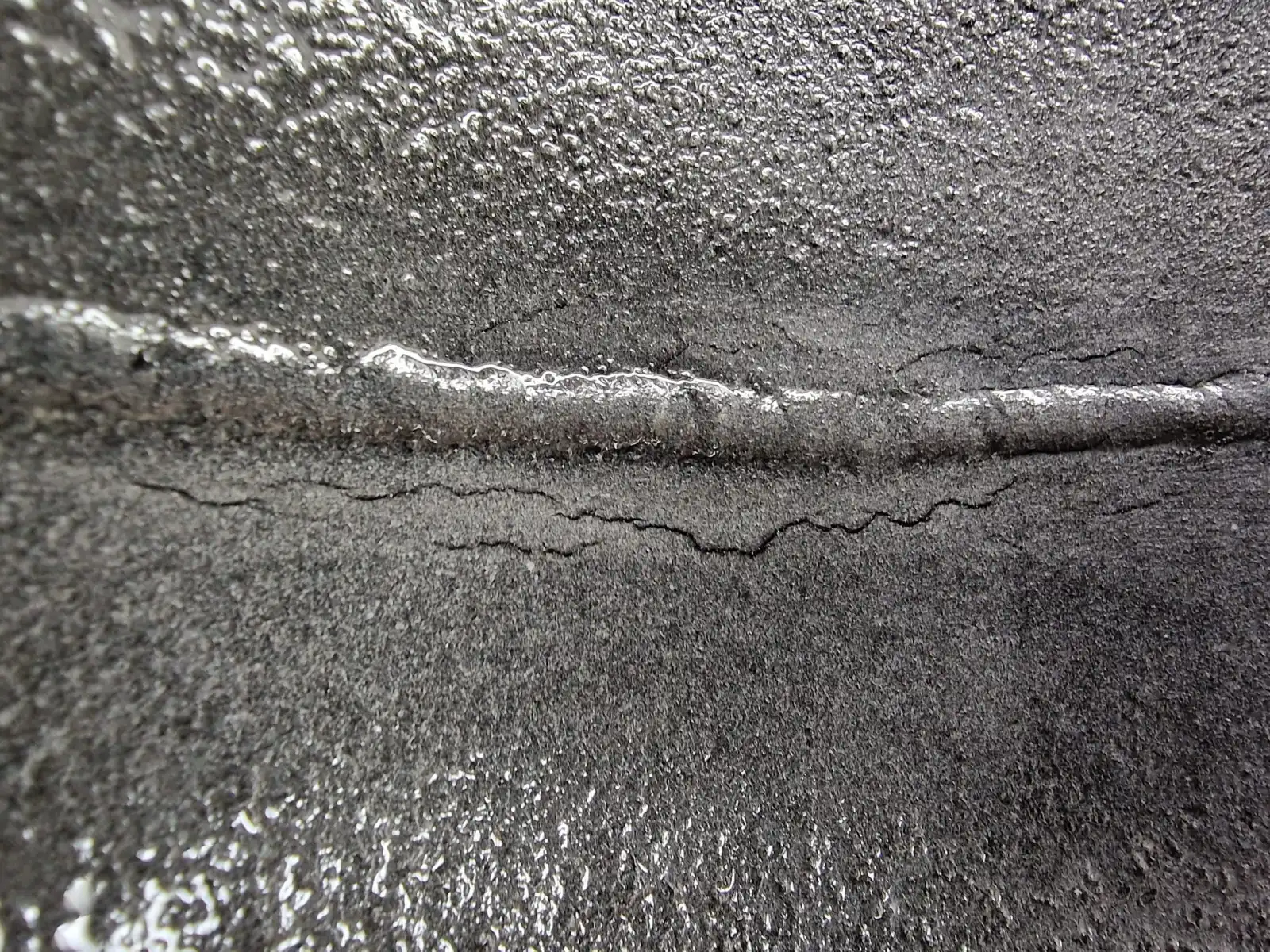
Cracking detected utilizing Phased Array UT. Cutout and MPT verified.
 👍3
-
Hi All,
We have a urgent Requirement for NDT Technician. only Immediate joining Candidate will be preferred.
Methodology (Magnetic Particle Testing MPI/MPT) Technique (Headshot, Coil, Central Conductor)
Salary Upto 15000.
Experience 1 to 2 yrs
Accommodation Free
Food 1 Time Free
PF, ESIC will available
Location Padappai , Kancheepuram District
Nos of Candidate 15 nos
Regards,
Boopathi
AMEEE NDT Inspection Engineers PVT LTD
044-29994089
[email protected]👍1 -
Quality control accidents are incidents that occur in the quality control process, which is the process of ensuring that products or services meet certain standards of quality. These accidents can be caused by various factors, such as human error, equipment failure, or poor training.
Quality control accidents can lead to defective products being released, which can have serious consequences, such as injury or death in the case of faulty products, or loss of customer trust and reputation in the case of defective services.
To prevent quality control accidents, it is important to have robust quality control processes in place, including adequate training and quality control procedures, and to regularly review and update these processes to ensure they are effective.
Quality control accidents in the oil and gas industry can have serious consequences, as the products and processes involved in the industry can be hazardous. Here are a few examples of quality control accidents in the oil and gas industry:
In 2010, the Deepwater Horizon oil spill occurred as a result of a quality control accident during the drilling of a well in the Gulf of Mexico. The accident resulted in the release of millions of barrels of oil into the ocean, causing significant environmental damage and economic losses.
In 2016, a quality control accident at a natural gas processing plant in Algeria resulted in an explosion and fire that killed over 30 people and injured many more. The accident was caused by a failure to properly maintain equipment, which resulted in a gas leak.
In 2017, a quality control accident at an oil refinery in Texas resulted in the release of over 1,300 pounds of sulfur dioxide, a toxic gas, into the atmosphere. The accident was caused by a failure to properly maintain equipment, which resulted in the release of the gas.
In 2018, a quality control accident at an oil rig in the North Sea resulted in the release of over 200 tons of oil into the ocean. The accident was caused by a failure to properly maintain equipment, which resulted in a leak in the oil pipeline.
-
Oil storage tanks are large containers that are used to store and transport oil, gasoline, and other petrochemical products. They are typically made from steel or plastic and are used in a variety of industries, including the oil and gas, agriculture, and transportation sectors.
Oil storage tanks have a number of important uses, including the storage of crude oil before it is shipped to refineries, the storage of gasoline and other fuels for distribution to gas stations and other customers, and the storage of petrochemical products for use in the manufacturing of a variety of goods.
In order to ensure the safe and efficient operation of oil storage tanks, it is important to properly maintain and inspect them on a regular basis. This can include visual inspections to look for signs of corrosion or other damage, as well as non-destructive testing (NDT) methods such as ultrasonic testing or radiographic testing to look for internal defects.
Proper maintenance and inspection of oil storage tanks is critical to prevent incidents and accidents, which can have serious consequences. For example, if an oil storage tank develops a leak, it could result in the release of potentially hazardous materials into the environment, posing a risk to human health and the surrounding ecosystem. In addition, if an oil storage tank is not properly maintained, it could fail and cause a fire or explosion, which could lead to serious injuries or fatalities.
One of the main reasons for conducting regular inspections and preventative maintenance on oil storage tanks is to identify and address any issues before they become major problems. This can help to minimize the risk of incidents and accidents, and ensure that the tanks are operating safely and efficiently.
In addition to the risks associated with incidents and accidents, oil storage tanks can also be vulnerable to disasters such as earthquakes, hurricanes, and other natural disasters. It is important to have contingency plans in place to address these types of events and minimize their impact on the tanks and the surrounding environment.
Overall, the proper maintenance and inspection of oil storage tanks is essential to ensure their safe and efficient operation, and to minimize the risk of incidents, accidents, and disasters. By regularly inspecting and maintaining these tanks, companies can help to prevent costly and potentially catastrophic events and protect the health and safety of their employees, customers, and the environment.
It is important to regularly inspect oil storage tanks using NDT methods to identify and address any potential issues before they become major problems. This can help to ensure the safe and efficient operation of the tanks and minimize the risk of incidents or accidents.
-
NDT Standards: A Guide to the Organizations and Regulations Governing NDT
There are several organizations that develop and publish standards for NDT, including the American Society for Nondestructive Testing (ASNT), the British Society for Non-Destructive Testing (BSNDT), and the International Organization for Standardization (ISO). These standards provide guidelines for the training, certification, and performance of NDT personnel, as well as the proper use and interpretation of NDT techniques.
-
Exploring the Challenges and Rewards of Working Offshore as an NDT Technician
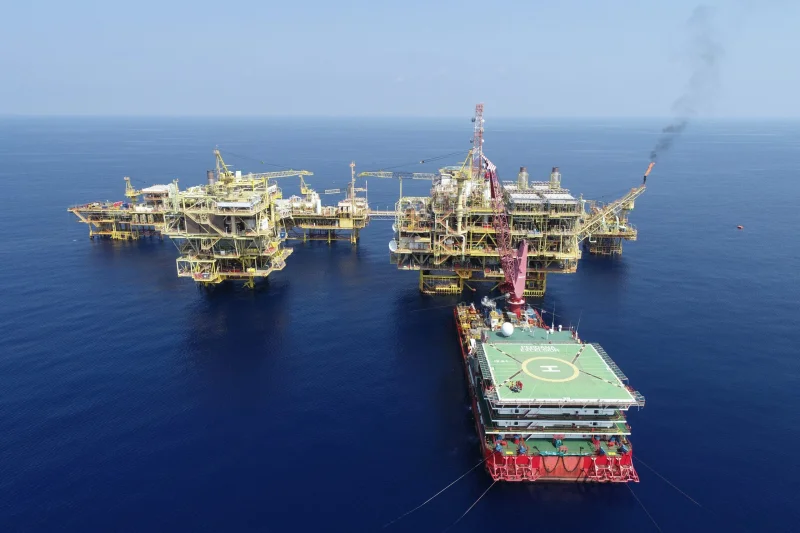 Exploring the Challenges and Rewards of Working Offshore as an NDT TechnicianNon-destructive testing (NDT) technicians are trained professionals who use specialized equipment and techniques to inspect and evaluate the condition of… 👍3
-
Are you interested in a career as an NDT technician?
Non-Destructive Testing (NDT) is a field that uses specialized techniques to test the properties of materials, components, and systems without causing damage. NDT technicians are in high demand, with opportunities to work in a variety of industries including aerospace, manufacturing, construction, and oil and gas.
To become an NDT technician, you will need to complete some form of education and training in NDT methods and procedures. This can be done through a technical school, community college, or other educational institution that offers NDT training programs. Some employers may also provide in-house training for NDT technicians.
In general, you will need to have a strong understanding of math and physics, and be able to interpret technical drawings and specifications. Good problem-solving and communication skills are also important, as you will often be working as part of a team and may need to explain your findings to others.
To start your career as an NDT technician, you may need to obtain a certification in one or more NDT methods. Certification is typically offered by organizations such as the American Society for Nondestructive Testing (ASNT) or the Canadian Society for Nondestructive Evaluation (CSNDE). To be eligible for certification, you typically need to have completed a certain amount of education and training in NDT and pass an exam. Some employers may require you to be certified in order to be considered for a job, while others may offer certification as a way to advance in your career.
The benefits of working in the field of NDT include job stability, good pay, and the opportunity for advancement. NDT technicians play an important role in ensuring the safety and integrity of materials, components, and systems, which can provide a sense of personal satisfaction in your work. If you have an interest in math and physics and enjoy problem-solving and working as part of a team, a career as an NDT technician may be a good fit for you.
-
Hydrostatic testing is typically performed on pressure vessels such as pipelines, gas cylinders, boilers, and fuel tanks. These types of vessels are subjected to high pressures in normal operation, and hydrostatic testing is used to ensure that they are strong enough to withstand these pressures without failing or leaking.
Hydrostatic testing is also commonly performed on fire extinguishers, diving tanks, and other types of pressurized equipment. In these cases, the goal of the hydrostatic test is to ensure that the equipment is safe and ready for use, and to identify any defects or damage that may affect its performance.
Hydrostatic testing is usually carried out during the manufacturing process, before the pressure vessel is put into service. It can also be performed on existing pressure vessels as part of a regular maintenance program, to ensure that they are still safe and fit for service.
-
-
Digital radiography is a non-destructive testing (NDT) technique that uses X-rays or gamma rays to inspect the internal structure of an object. The radiation is transmitted through the object, and the resulting image is captured by a digital detector.
In digital radiography, the image is immediately displayed on a computer screen, allowing the operator to view and analyze the image in real-time. The digital image can also be stored, transmitted, and manipulated for further analysis.
One advantage of digital radiography over film-based radiography is that it allows for real-time image processing and analysis. Digital radiography also offers the ability to enhance the contrast and resolution of the image, as well as the ability to measure dimensions and identify defects within the object being inspected.
Digital radiography is commonly used in a variety of industries, including aerospace, automotive, construction, and manufacturing, to inspect welds, castings, and other structural components for defects. It is also used in medical imaging to diagnose and monitor medical conditions.
-
Zerstörungsfreie Prüfung, auch als nicht-zerstörende Prüfung oder nicht-invasive Prüfung bezeichnet, ist eine Art von Prüfverfahren, bei dem ein Material oder ein Bauteil ohne Zerstörung seiner Integrität untersucht wird. Die Idee hinter zerstörungsfreien Prüfverfahren ist es, das Material oder Bauteil zu überprüfen, ohne es zu beschädigen oder zu verändern, sodass es weiterhin verwendet werden kann.
Es gibt viele verschiedene Arten von zerstörungsfreien Prüfverfahren, die in verschiedenen Industrien und Anwendungen eingesetzt werden. Einige Beispiele für zerstörungsfreie Prüfverfahren sind:
- Röntgenprüfung
- Ultraschallprüfung
- Magnethydrodynamische Prüfung
- Durchstrahlungsverfahren
- Thermographie
- Korrosionsprüfung
Diese Verfahren werden häufig in der Luft- und Raumfahrtindustrie, der Automobilindustrie, der Öl- und Gasindustrie, der Energieerzeugung und -übertragung, der Elektronikindustrie und in vielen anderen Bereichen eingesetzt. Sie werden verwendet, um Materialfehler oder -mängel zu identifizieren, die Struktur und Eigenschaften von Materialien zu untersuchen und die Integrität von Bauteilen zu überprüfen.
-
ИБР или испитивање без разарања (eng. non-destructive testing, NDT) је метод који се користи за утврђивање квалитета, исправности или правилног рада неког материјала или објекта без његовог уништавања или оштећења.
Постоје различите технике NDT-а, које се користе у различитим областима, као што су индустрија, грађевинарство, авијација, војна индустрија и други. Циљ NDT-а је да се открију евентуални недостаци или оштећења у раној фази, што омогућава да се предупреде потенцијални проблеми и спрече евентуалне незгоде.
Технике NDT-а укључују ултразвучну инспекцију, пенетрационо бојење, радиографију, термографију, магнетску инклузију и друге.
-
Neuništavajuće metode ispitivanja (NDT) su skup tehnika koje se koriste za ispitivanje materijala, konstrukcija ili sustava bez oštećenja ili uništenja ispitivanog objekta. Ove metode su važne jer omogućuju da se otkriju nedostaci ili pogreške u objektima bez da se oštete same strukture ili materijali.
Postoji mnogo različitih vrsta neuništavajućih metoda ispitivanja, uključujući ultrazvučnu dijagnostiku, radiografiju, magnetnu inspekciju i druge. Sve te metode se mogu koristiti za otkrivanje različitih vrsta nedostataka u različitim vrstama materijala, kao što su metali, plastike, keramike i dr.
Ultrazvučna dijagnostika se koristi za otkrivanje nedostataka u metalima i drugim krutim materijalima. Ovom metodom se koriste ultrazvučne valove koji se šalju kroz materijal i odbijaju se od nedostataka ili promjena u strukturi materijala. Na taj način se mogu otkriti različiti tipovi nedostataka, kao što su pukotine, truleži i drugi.
Radiografija se koristi za otkrivanje nedostataka u metalima i drugim krutim materijalima, a također se može koristiti i za ispitivanje tekućina i gasova. Ovom metodom se koriste rendgenski snopovi koji proizvode slike unutar objekta. Na taj način se mogu otkriti različiti tipovi nedostataka, kao što su pukotine, promjene u strukturi i drugi.
Magnetna inspekcija se koristi za otkrivanje nedostataka u metalima. Ovom metodom se koriste magnetska polja koja djeluju na materijal i omogućuju da se otkriju nedostaci ili promjene u strukturi materijala. Na taj način se mogu otkriti različiti tipovi nedostataka, kao što su pukotine, truleži i drugi.
Neuništavajuće metode ispitivanja su važne u različitim industrijama, uključujući prehrambenu industriju, avioindustriju, industriju nafte i plina, elektroenergetsku industriju i mnoge druge.
-
The type of plastic that is used for oil and gas pipelines is typically high-density polyethylene (HDPE). HDPE is a type of thermoplastic polymer that is known for its high strength, toughness, and chemical resistance. It is also resistant to UV radiation and has a relatively low coefficient of thermal expansion, making it well-suited for use in outdoor environments.
HDPE is widely used for oil and gas pipelines due to its ability to withstand the high pressures and temperatures that are often encountered in these applications. It is also resistant to many chemicals that are commonly found in oil and gas, including hydrocarbons and corrosive acids.
In addition to HDPE, other types of plastic that may be used for oil and gas pipelines include polyvinyl chloride (PVC) and polypropylene (PP). These materials also have good chemical resistance and mechanical properties, but may not be as durable or resistant to high temperatures as HDPE. The specific type of plastic that is used for a particular oil and gas pipeline will depend on the specific requirements of the application.