
Welcome to NDT Inspect's storage tank inspection group, a place for professionals to connect and discuss the latest techniques and technologies in storage tank inspection.
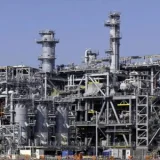
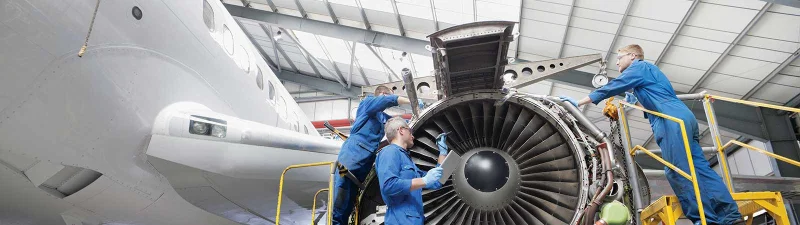
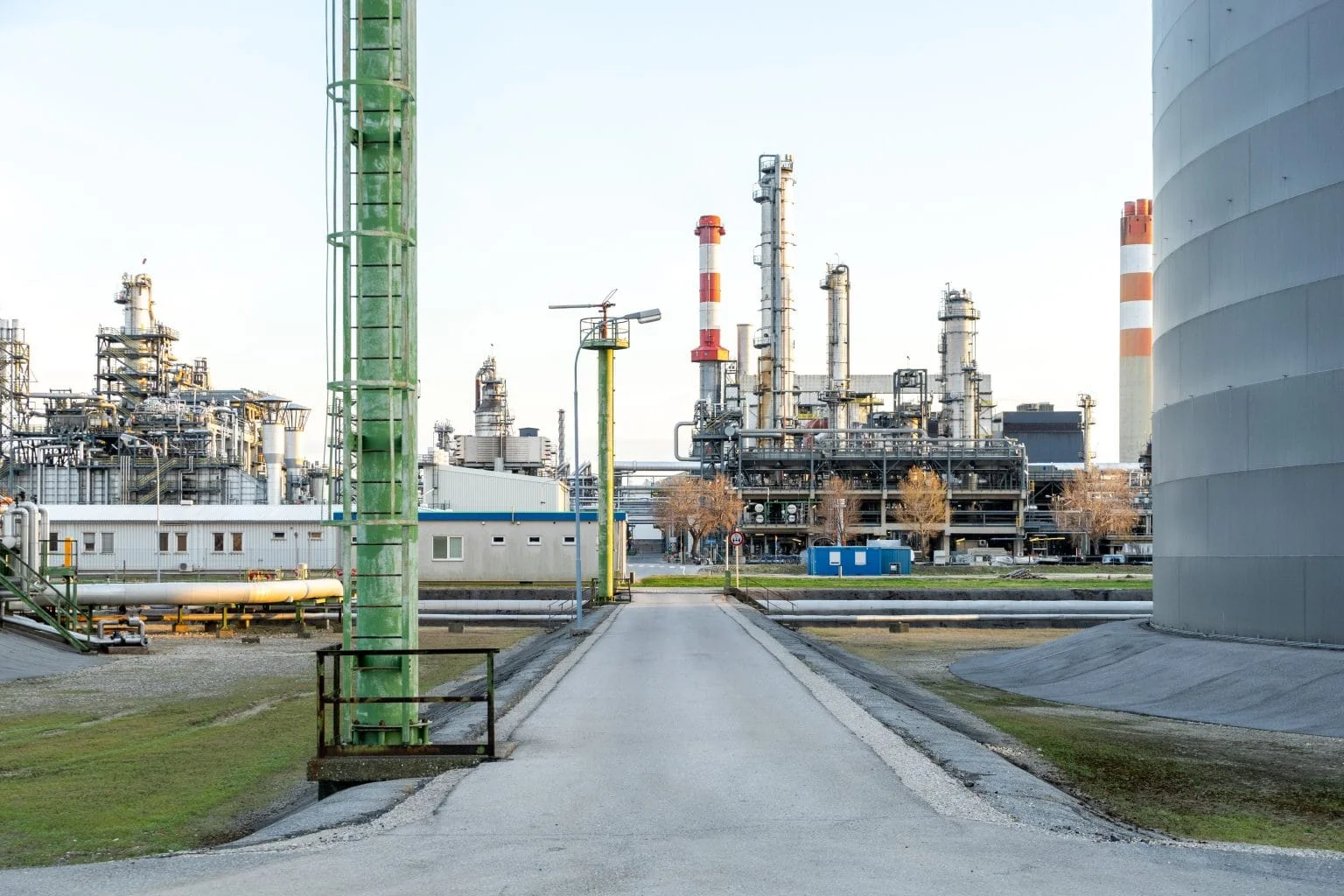
Storage tank inspection is a specialized field within non-destructive testing (NDT) and inspection that involves the evaluation of storage tanks and other high-pressure components to ensure their safety and reliability. It is an important aspect of ensuring the safety of personnel and equipment in various industries, including oil and gas, power generation, and manufacturing.
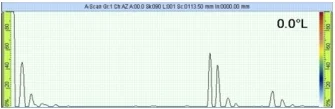
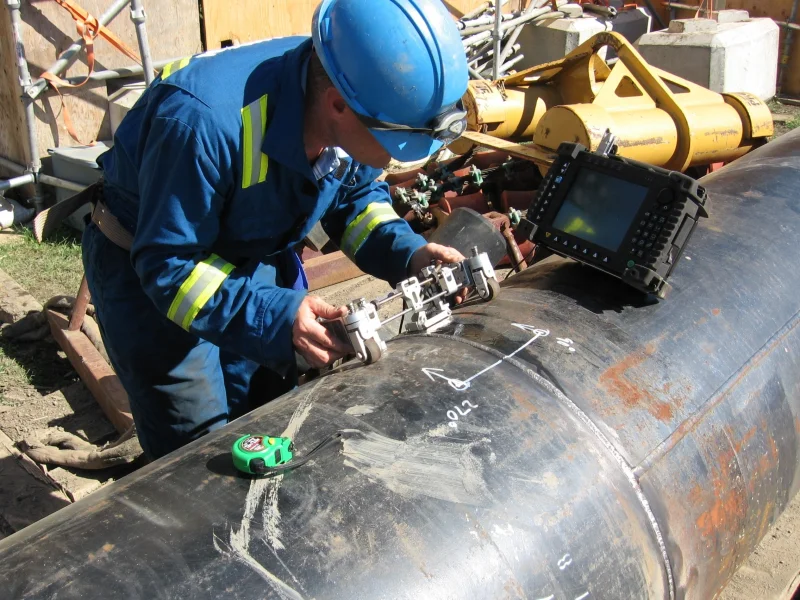
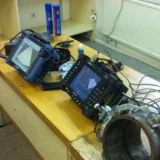
Storage tank inspection involves the use of specialized equipment and techniques to evaluate the condition and performance of these components. This may include visual inspection, ultrasonic testing, radiographic testing, and other NDT methods to identify any potential issues or defects, such as corrosion, cracks, or weld defects. Storage tank inspection is often regulated by codes and standards, such as the API 653 Standard for Tank Inspection, Repair, Alteration, and Reconstruction, to ensure the safety and reliability of these components.
Our member group offers a platform for sharing knowledge and best practices on storage tank inspection and its applications in various industries. Join our community of experts from around the world and be a part of the conversation on advancing the practice of storage tank inspection and its applications in the field of NDT and inspection. Whether you are new to storage tank inspection or an experienced professional, you'll find valuable resources and a welcoming community in our group.
Updates
-
 NDT-Inspect posted an update in the group Storage Tank Inspection3 years ago
Oil storage tanks are large containers that are used to store and transport oil, gasoline, and other petrochemical products. They are typically made from steel or plastic and are used in a variety of industries, including the oil and gas, agriculture, and transportation sectors.
Oil storage tanks have a number of important uses, including the storage of crude oil before it is shipped to refineries, the storage of gasoline and other fuels for distribution to gas stations and other customers, and the storage of petrochemical products for use in the manufacturing of a variety of goods.
In order to ensure the safe and efficient operation of oil storage tanks, it is important to properly maintain and inspect them on a regular basis. This can include visual inspections to look for signs of corrosion or other damage, as well as non-destructive testing (NDT) methods such as ultrasonic testing or radiographic testing to look for internal defects.
Proper maintenance and inspection of oil storage tanks is critical to prevent incidents and accidents, which can have serious consequences. For example, if an oil storage tank develops a leak, it could result in the release of potentially hazardous materials into the environment, posing a risk to human health and the surrounding ecosystem. In addition, if an oil storage tank is not properly maintained, it could fail and cause a fire or explosion, which could lead to serious injuries or fatalities.
One of the main reasons for conducting regular inspections and preventative maintenance on oil storage tanks is to identify and address any issues before they become major problems. This can help to minimize the risk of incidents and accidents, and ensure that the tanks are operating safely and efficiently.
In addition to the risks associated with incidents and accidents, oil storage tanks can also be vulnerable to disasters such as earthquakes, hurricanes, and other natural disasters. It is important to have contingency plans in place to address these types of events and minimize their impact on the tanks and the surrounding environment.
Overall, the proper maintenance and inspection of oil storage tanks is essential to ensure their safe and efficient operation, and to minimize the risk of incidents, accidents, and disasters. By regularly inspecting and maintaining these tanks, companies can help to prevent costly and potentially catastrophic events and protect the health and safety of their employees, customers, and the environment.
It is important to regularly inspect oil storage tanks using NDT methods to identify and address any potential issues before they become major problems. This can help to ensure the safe and efficient operation of the tanks and minimize the risk of incidents or accidents.
-
NDT-Inspect started the discussion What happens if storage tank explodes in the forum Storage Tank Inspection3 years ago
If a storage tank explodes, it can cause significant damage to the surrounding area and potentially harm anyone nearby. The explosion can be caused by a variety of factors, such as a build-up of pressure or gas inside the tank, a failure of the tank's structural integrity, or exposure to an external ignition source.
The extent of the damage and injury caused by a storage tank explosion will depend on a number of factors, such as the size and type of the tank, the substances it contains, and the proximity of people and buildings to the explosion. In the event of a storage tank explosion, it is important to evacuate the area immediately and call for emergency services to handle the situation.
-
3 years ago
Storage tank inspection involves a thorough visual inspection of a storage tank to identify and assess any potential hazards or damage. This may include checking for leaks, corrosion, or other structural damage to the tank. The inspection may also involve checking the condition of the tank's supporting structures and its surrounding area. The goal of storage tank inspection is to ensure that the tank is safe to use and to prevent accidents or environmental damage. Storage tank inspection is typically carried out by trained professionals who have experience in this type of work. They may use specialized equipment, such as drones or robotic cameras, to perform the inspection safely and efficiently.
-
NDT-Inspect started the discussion List of codes and standards for Storage tank inspection in the forum Storage Tank Inspection3 years ago
There are many different codes and standards that apply to the inspection of storage tanks. Some of the most common codes and standards include:
API 653: This code, published by the American Petroleum Institute (API), provides guidelines for the inspection, repair, alteration, and reconstruction of steel storage tanks. It covers tanks that are used in the petroleum and chemical industries and are designed to operate at atmospheric pressure or at pressure not exceeding 2.5 psig.
ASME VIII Division 1: This code, published by the American Society of Mechanical Engineers (ASME), provides rules for the design, construction, and inspection of pressure vessels, including storage tanks. It covers tanks that are designed to operate at internal pressures not exceeding 15 psig.
API 570: This code, published by the American Petroleum Institute (API), provides guidelines for the inspection, repair, and alteration of in-service piping systems in the petroleum and chemical industries. It applies to storage tanks that are equipped with piping systems and are designed to operate at atmospheric pressure or at pressure not exceeding 15 psig.
NFPA 30: This code, published by the National Fire Protection Association (NFPA), provides guidelines for the storage and handling of flammable and combustible liquids. It covers storage tanks that are used to store these liquids and applies to tanks that are designed to operate at atmospheric pressure or at pressure not exceeding 2.5 psig.
AWWA D100: This code, published by the American Water Works Association (AWWA), provides guidelines for the design, construction, and inspection of welded steel water storage tanks. It applies to tanks that are used to store drinking water and are designed to operate at atmospheric pressure or at pressure not exceeding 2.5 psig.
Discussions