









What’s new on NDT Inspect
Latest NDT & inspection industry news, jobs and community updates
Live updates from the NDT Inspect community: new NDT job vacancies, product launches from the virtual exhibition, forum discussions and member activity across ultrasonic, radiographic, phased array and every other inspection method. Join free to post and follow.
Members post updates, comment, react and follow the companies they work with. Already a member? Sign in
-
-
-
-
-
-
-
-
-
-
-
-
-
-
-
 DiscussionNDT-Inspect started the discussion How to become NDT technician? in the forum Jobs and Career Discussion3 years ago
Are you interested in becoming an NDT (Non-Destructive Testing) Technician? This is a great career choice for those who have strong technical and problem-solving skills. As an NDT Technician, you’ll be responsible for inspecting parts and components without causing any damage to them. In this blog post, we’ll discuss what it takes to become an NDT Technician, the qualifications needed, and how to find work in this field.
To begin your journey as an NDT technician, the first step is obtaining certification from one of several organizations that offer such programs. The American Society for Non-Destructive Testing (ASNT), Canadian General Standards Board (CGSB), National Aerospace & Defense Contractors Accreditation Program (NADCAP), or other similar organization are all examples of certifying bodies which provide credentials upon successful completion of their training program requirements . Depending on the type of work being done by employers within your geographical area will determine which credentialing body should be chosen when applying for certification exams; however most require at least 40 hours of classroom instruction prior taking a written examination as well as hands on demonstrations/testing using approved methods before receiving full accreditation status with their respective organization(s).
Once certified through one or more organizations listed above , there are many different types/styles available depending upon specific job requirements including but not limited to: Visual Inspection Methods; Magnetic Particle Inspection Method; Liquid Penetrant Inspections ; Ultrasonic Examination Techniques ; Radiographic Film Interpretation ; Eddy Current Tests etc.. With each method comes its own set procedures that must be followed while performing inspections so having experience working with these tools can help increase success rates during testing scenarios therefore making it beneficial if applicants already possess some mechanical aptitude prior entering into this profession .
After obtaining necessary certifications , next step would involve finding employment opportunities where these services may be requested either locally or remotely depending on company needs . To do so , seeking out employment postings online via websites like Indeed is recommended along with networking through professional contacts such as former colleagues / teachers / mentors etc .. Additionally attending trade shows related specifically towards non destructive testing industry could also help expand knowledge base plus give insight into current trends happening throughout sector thus increasing chances landing desired position once qualified candidate has been identified by employer( s ).
Becoming an NDt technician requires commitment dedication patience since process involves both theoretical learning practical application techniques while preparing receive proper accreditations required.
If you’re looking to become an NDT (non-destructive testing) technician, there are a few steps you can take to get started. NDT technicians use specialized equipment and techniques to inspect materials for flaws or defects without causing permanent damage. This type of work is essential in many industries like aerospace, automotive, construction and manufacturing. Here’s how to become an NDT technician:
1. Get the right education – To be successful as an NDT technician, it’s important that you have the necessary knowledge and skillset related to non-destructive testing procedures. You should pursue a degree program in engineering technology or industrial technology with coursework focusing on topics such as metallurgy, welding inspection principles and practices plus nondestructive test methods including radiography/radiographic interpretation training courses from accredited institutions recognized by organizations such as ASNT (American Society for Non Destructive Testing).
2. Gain experience – Once your studies are complete it is recommended that prospective technicians gain practical experience working under direct supervision of experienced personnel before taking any certification exams; this will help ensure they understand all aspects of their job duties prior not only passing tests but also performing adequately when hired into positions requiring these certifications afterwards too!
3 . Obtain certifications - After gaining relevant experience most employers require applicants who wish work in this field hold valid certifications from bodies like American Society Of Non Destructors Testing(ASNT), Canadian Institute For Non Destructor Evaluation(CINDE) etc., Depending upon which specific discipline within non destructive evaluation one wishes specialize , appropriate level examinations need pass successfully order obtain desired qualifications & credentials required meet industry standards requirements prior employment opportunities arise accordingly!
4 . Stay up-to date - As technologies evolve so must those employed within them! Staying abreast latest developments via attending conferences seminars related subject matter helps maintain proficiency levels stay competitive market place where ever changing trends seen regularly amongst competitors vying same roles alike ! Additionally reading trade publications magazines furthering understanding current affairs makes sense well rounded individual capable adapting quickly changing environments better than peers would otherwise do so !
-
DiscussionNDT-Inspect started the discussion How to progress in NDT career? in the forum Jobs and Career Discussion3 years ago
As the demand for Non-Destructive Testing (NDT) professionals continues to rise, it’s important to understand how you can progress in your NDT career.
With proper guidance and strategies, you can develop your skills and knowledge base while advancing in the field of NDT.
The first step towards progressing in an NDT career is gaining experience through hands-on training programs or courses. Training programs provide essential information about techniques used by experienced technicians so that new hires have a better understanding of their job responsibilities right away. Additionally, these courses help individuals learn more complex concepts related to non-destructive testing methods such as radiography or ultrasonic testing which are often required for higher level positions within the industry.
It’s also beneficial to stay up-to-date with current trends and technologies being used within the field of non destructive testing so that you remain competitive against other candidates when applying for jobs or promotions at work - this could involve attending seminars/workshops on relevant topics such as digital imaging technology or advanced inspection techniques using robotics etc., reading trade journals regularly, joining professional organizations like ASNT (American Society For Non Destructive Testing), etc..
This will not only give insight into what employers are looking for but also keep one abreast with changes happening around them thus allowing them stay ahead of competition while climbing up their respective ladder!
Finally networking is another great way to build relationships which may lead directly into employment opportunities down line . Networking allows individuals access resources they might otherwise not be aware off – whether its learning about upcoming projects , getting tips from senior personnel working on similar roles , connecting with recruiters who specialize in hiring people skilled specifically needed areas – all these benefits add value towards helping someone advance further professionally .
In conclusion , following above steps along side having good technical expertise & sound problem solving capabilities should help anyone move forward faster & make significant strides throughout their careers !
-
-
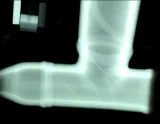
Digital radiography is a non-destructive testing (NDT) technique that uses X-rays or gamma rays to inspect the internal structure of an object. The radiation is transmitted through the object, and the resulting image is captured by a digital detector.
In digital radiography, the image is immediately displayed on a computer screen, allowing the operator to view and analyze the image in real-time. The digital image can also be stored, transmitted, and manipulated for further analysis.
One advantage of digital radiography over film-based radiography is that it allows for real-time image processing and analysis. Digital radiography also offers the ability to enhance the contrast and resolution of the image, as well as the ability to measure dimensions and identify defects within the object being inspected.
Digital radiography is commonly used in a variety of industries, including aerospace, automotive, construction, and manufacturing, to inspect welds, castings, and other structural components for defects. It is also used in medical imaging to diagnose and monitor medical conditions.
-
-
Zerstörungsfreie Prüfung, auch als nicht-zerstörende Prüfung oder nicht-invasive Prüfung bezeichnet, ist eine Art von Prüfverfahren, bei dem ein Material oder ein Bauteil ohne Zerstörung seiner Integrität untersucht wird. Die Idee hinter zerstörungsfreien Prüfverfahren ist es, das Material oder Bauteil zu überprüfen, ohne es zu beschädigen oder zu verändern, sodass es weiterhin verwendet werden kann.
Es gibt viele verschiedene Arten von zerstörungsfreien Prüfverfahren, die in verschiedenen Industrien und Anwendungen eingesetzt werden. Einige Beispiele für zerstörungsfreie Prüfverfahren sind:
- Röntgenprüfung
- Ultraschallprüfung
- Magnethydrodynamische Prüfung
- Durchstrahlungsverfahren
- Thermographie
- Korrosionsprüfung
Diese Verfahren werden häufig in der Luft- und Raumfahrtindustrie, der Automobilindustrie, der Öl- und Gasindustrie, der Energieerzeugung und -übertragung, der Elektronikindustrie und in vielen anderen Bereichen eingesetzt. Sie werden verwendet, um Materialfehler oder -mängel zu identifizieren, die Struktur und Eigenschaften von Materialien zu untersuchen und die Integrität von Bauteilen zu überprüfen.
-
ИБР или испитивање без разарања (eng. non-destructive testing, NDT) је метод који се користи за утврђивање квалитета, исправности или правилног рада неког материјала или објекта без његовог уништавања или оштећења.
Постоје различите технике NDT-а, које се користе у различитим областима, као што су индустрија, грађевинарство, авијација, војна индустрија и други. Циљ NDT-а је да се открију евентуални недостаци или оштећења у раној фази, што омогућава да се предупреде потенцијални проблеми и спрече евентуалне незгоде.
Технике NDT-а укључују ултразвучну инспекцију, пенетрационо бојење, радиографију, термографију, магнетску инклузију и друге.
-
Neuništavajuće metode ispitivanja (NDT) su skup tehnika koje se koriste za ispitivanje materijala, konstrukcija ili sustava bez oštećenja ili uništenja ispitivanog objekta. Ove metode su važne jer omogućuju da se otkriju nedostaci ili pogreške u objektima bez da se oštete same strukture ili materijali.
Postoji mnogo različitih vrsta neuništavajućih metoda ispitivanja, uključujući ultrazvučnu dijagnostiku, radiografiju, magnetnu inspekciju i druge. Sve te metode se mogu koristiti za otkrivanje različitih vrsta nedostataka u različitim vrstama materijala, kao što su metali, plastike, keramike i dr.
Ultrazvučna dijagnostika se koristi za otkrivanje nedostataka u metalima i drugim krutim materijalima. Ovom metodom se koriste ultrazvučne valove koji se šalju kroz materijal i odbijaju se od nedostataka ili promjena u strukturi materijala. Na taj način se mogu otkriti različiti tipovi nedostataka, kao što su pukotine, truleži i drugi.
Radiografija se koristi za otkrivanje nedostataka u metalima i drugim krutim materijalima, a također se može koristiti i za ispitivanje tekućina i gasova. Ovom metodom se koriste rendgenski snopovi koji proizvode slike unutar objekta. Na taj način se mogu otkriti različiti tipovi nedostataka, kao što su pukotine, promjene u strukturi i drugi.
Magnetna inspekcija se koristi za otkrivanje nedostataka u metalima. Ovom metodom se koriste magnetska polja koja djeluju na materijal i omogućuju da se otkriju nedostaci ili promjene u strukturi materijala. Na taj način se mogu otkriti različiti tipovi nedostataka, kao što su pukotine, truleži i drugi.
Neuništavajuće metode ispitivanja su važne u različitim industrijama, uključujući prehrambenu industriju, avioindustriju, industriju nafte i plina, elektroenergetsku industriju i mnoge druge.
-
High-density polyethylene (HDPE) is a type of thermoplastic polymer that is widely used in a variety of applications due to its high strength, toughness, and chemical resistance. HDPE can be welded using several different methods, including:
Butt welding: This method involves aligning the edges of two pieces of HDPE and then applying heat and pressure to fuse them together. Butt welding is typically used to join HDPE pipes and fittings.
Socket welding: This method involves inserting the end of one HDPE pipe into a socket on another HDPE pipe and then applying heat and pressure to fuse them together. Socket welding is typically used to join smaller diameter HDPE pipes.
Extrusion welding: This method involves melting the edges of two pieces of HDPE and then extruding a bead of molten HDPE between them to create a weld. Extrusion welding is typically used to join HDPE sheets or plates.
Electrofusion welding: This method involves using an electric current to heat and fuse together two pieces of HDPE. Electrofusion welding is typically used to join HDPE pipes and fittings.
It is important to follow proper welding procedures when working with HDPE to ensure that the welds are strong and reliable. This includes using the appropriate equipment and following the manufacturer's instructions for welding the material.
-
The type of plastic that is used for oil and gas pipelines is typically high-density polyethylene (HDPE). HDPE is a type of thermoplastic polymer that is known for its high strength, toughness, and chemical resistance. It is also resistant to UV radiation and has a relatively low coefficient of thermal expansion, making it well-suited for use in outdoor environments.
HDPE is widely used for oil and gas pipelines due to its ability to withstand the high pressures and temperatures that are often encountered in these applications. It is also resistant to many chemicals that are commonly found in oil and gas, including hydrocarbons and corrosive acids.
In addition to HDPE, other types of plastic that may be used for oil and gas pipelines include polyvinyl chloride (PVC) and polypropylene (PP). These materials also have good chemical resistance and mechanical properties, but may not be as durable or resistant to high temperatures as HDPE. The specific type of plastic that is used for a particular oil and gas pipeline will depend on the specific requirements of the application.
-
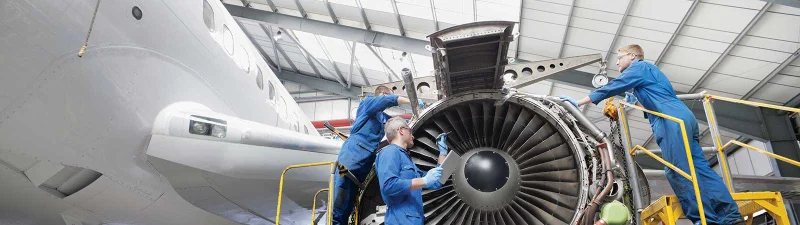
Aircraft blades, such as those found in jet engines and helicopter rotors, are subject to high levels of stress and must be regularly inspected to ensure they are in good condition. There are several methods of inspecting aircraft blades, including visual inspection, ultrasonic testing, and eddy current testing.
During a visual inspection, the blades are examined for cracks, corrosion, and other types of damage using tools such as telescopes and boroscopes. This allows the inspector to see into hard-to-reach areas of the blade and identify any issues that may need to be addressed.
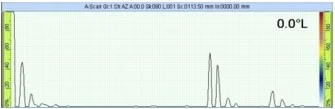
Ultrasonic testing uses high-frequency sound waves to inspect the blade for defects. The sound waves are transmitted into the blade and their reflection patterns are used to determine the presence and location of any defects.
Eddy current testing involves using an alternating current to induce a current in the blade being tested. This current can be used to detect cracks and other types of defects in the blade.
Overall, regular inspections of aircraft blades are essential for ensuring their safety and reliability. By detecting and addressing any issues early on, it is possible to prevent problems that could lead to structural failure and potentially catastrophic consequences.
👍1