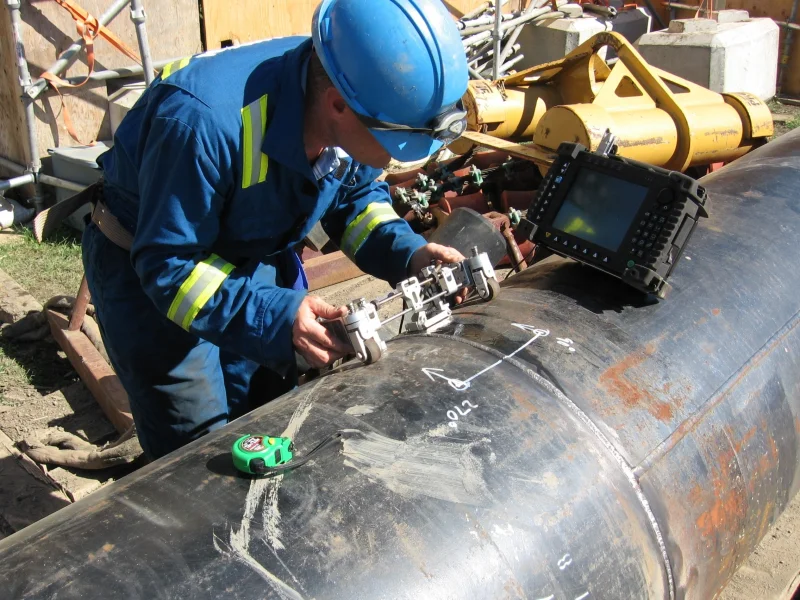

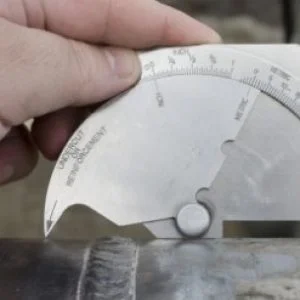
Welcome to NDT Inspect's visual welding inspection group, a place for professionals to connect and discuss the latest techniques and technologies in visual welding inspection.
Visual welding inspection is a specialized field within non-destructive testing (NDT) and inspection that involves the evaluation of welds and other components using visual inspection techniques to ensure their safety and reliability. It is an important aspect of ensuring the safety of personnel and equipment in various industries, including manufacturing, construction, and engineering.
Visual welding inspection involves the use of specialized equipment and techniques to evaluate the quality of welds and other components, such as magnifiers, boroscopes, and other optical inspection tools. It may involve the use of other NDT methods, such as ultrasonic testing, radiographic testing, and magnetic particle inspection, to identify any potential issues or defects, such as cracks, porosity, or underfill. Visual welding inspection is often regulated by codes and standards, such as the American Welding Society's (AWS) D1.1 Structural Welding Code - Steel, to ensure the safety and reliability of welded components.
Our member group offers a platform for sharing knowledge and best practices on visual welding inspection and its applications in various industries. Join our community of experts from around the world and be a part of the conversation on advancing the practice of visual welding inspection and its applications in the field of NDT and inspection. Whether you are new to visual welding inspection or an experienced professional, you'll find valuable resources and a welcoming community in our group.
Updates
-
 Mark Gilmour posted an update in the group Visual Welding Inspection8 days ago
Weld inspection challenge: a 6 mm leg. But what is the throat?
Use the left-hand sketch: a 90° equal-leg fillet weld with a straight, flat face and 6 mm legs. Do not include any additional penetration.
What is its nominal throat thickness, approximately?
A) 3.00 mm
B) 4.24 mm
C) 6.00 mm
D) 8.49 mm
What would you choose, and why? Add your reasoning below. My answer is below
Answer: B) Approximately 4.24 mm.
For the ideal equal-leg mitre fillet shown:
a = z / √2 = 6 / √2 ≈ 4.24 mm.
Here, z is the leg length and a is the nominal throat.
The relationship relies on the stated geometry. Unequal legs, a different joint angle or a different face profile need appropriate assessment. Additional penetration must not simply be assumed.
This calculation does not prove internal fusion or establish acceptance. Assess the actual weld against the drawing, applicable standard and approved procedure.
More illustrated revision in NDT Pro Study Plus:
https://ndt-pro-study-plus.pplx.app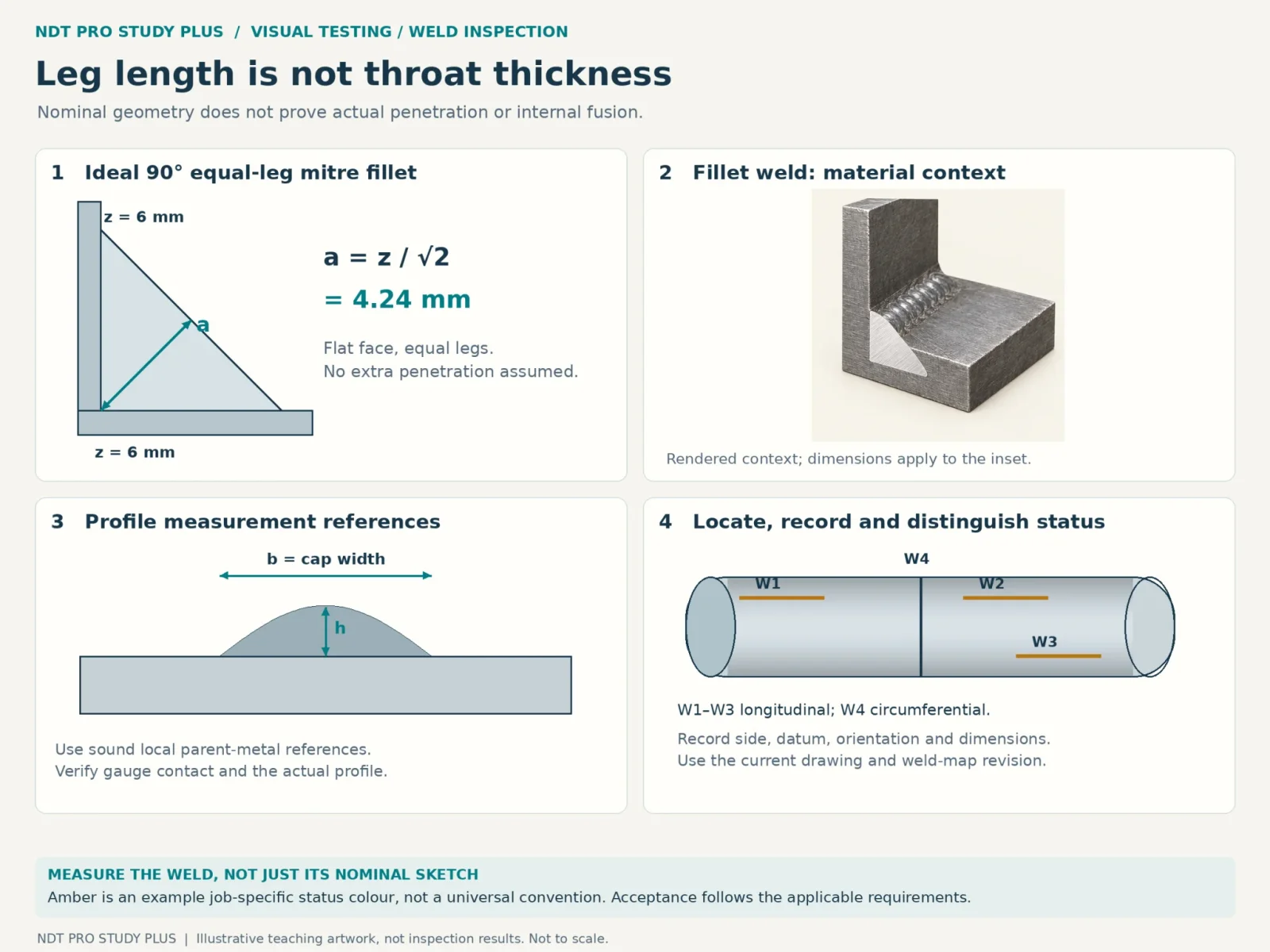
-
Mark Gilmour joined the group Visual Welding Inspection8 days ago
-
 NDT-Inspect posted an update in the group Visual Welding Inspection3 years ago
Some common types of weld defects:
- Incomplete fusion
- Incomplete penetration
- Porosity
- Slag inclusion
- Lack of sidewall fusion
- Undercut
- Overlap
- Cold lap
- Hot lap
- Inadequate reinforcement
- Lack of fusion at the root
- Excessive penetration
- Cracks
- Distortion
- Warping
- Buckling
- Shrinkage
- Spatter
- Blisters
- Burn-through
- Tungsten inclusions
- Solidification cracking
- Hydrogen cracking
- Stress corrosion cracking
- Fatigue cracking
- Creep
- Brittle fracture
- Ductile fracture
- Corrosion
- Erosion
- Cavitation
- Hydrogen damage
- Intergranular corrosion
- Erosion-corrosion
- Galvanic corrosion
- Microbiologically influenced corrosion
- Environmental cracking
- Impact damage
- Chemical attack
- Deformation
- Dimensional inaccuracies
- Misalignment
- Misorientation
- Poor fit-up
- Poor profile
- Inconsistent weld size
- Inconsistent weld shape
- Inconsistent weld spacing
- Inconsistent weld penetration
- Inconsistent weld reinforcement
- Inconsistent weld finish
- Inconsistent weld quality.
👍2 -
NDT-Inspect posted an update in the group Visual Welding Inspection3 years ago
Weld defects are imperfections or flaws that can occur in welded joints, which can affect the strength, integrity, and performance of the welded structure. Weld defects can be caused by a variety of factors, including poor design, inadequate preparation, incorrect welding techniques, and inadequate inspection and testing. Some of the common types of weld defects include:
Incomplete fusion: This is a defect where the weld metal does not fully penetrate or fuse with the base metal, and a gap or void is left between the weld and the base metal. Incomplete fusion can be caused by insufficient heat or penetration during welding, or by the presence of contaminants or oxides on the base metal.
Incomplete penetration: This is a defect where the weld metal does not fully penetrate the thickness of the base metal, and a lack of fusion is present at the back of the weld. Incomplete penetration can be caused by inadequate welding current or voltage, or by incorrect welding parameters or techniques.
Porosity: This is a defect where small voids or bubbles are present in the weld metal, which can weaken the weld and reduce its strength and ductility. Porosity can be caused by the presence of air, moisture, or gas in the weld metal, or by inadequate preheat or interpass temperature.
Slag inclusion: This is a defect where slag, which is a non-metallic material that forms during welding, is trapped in the weld metal or the weld joint. Slag inclusion can be caused by inadequate cleaning or chipping of the weld, or by incorrect welding techniques or procedures.
Lack of sidewall fusion: This is a defect where the weld metal does not fully fuse with the base metal along the sides of the weld, and a lack of fusion is present in the weld joint. Lack of sidewall fusion can be caused by inadequate heat input, or by incorrect welding techniques or procedures.
Undercut: This is a defect where the weld metal is not properly supported by the base metal, and a groove or depression is formed along the edge of the weld. Undercut can be caused by excessive heat input, or by incorrect welding techniques or procedures.
Overlap: This is a defect where the weld metal extends beyond the edge of the base metal, and an excess of weld metal is present in the weld joint. Overlap can be caused by inadequate joint preparation or fit-up, or by incorrect welding techniques or procedures.
👍2 -
NDT-Inspect posted an update in the group Visual Welding Inspection3 years ago
Visual welding inspection is a type of inspection that is performed to evaluate the quality of welded joints in metals. Visual welding inspection is typically performed by trained and certified personnel, who use their eyesight, along with specialized lighting and inspection aids, to examine the welded joint for defects and inconsistencies.
Visual welding inspection is commonly used to evaluate the appearance of the weld, including its size, shape, and profile, and to ensure that it meets the specified requirements. Visual welding inspection can also be used to detect surface defects, such as cracks, porosity, or lack of fusion, that may affect the strength or performance of the weld.
Visual welding inspection is an important part of the quality control process in welding, and is typically performed in accordance with specific standards and procedures. Visual welding inspection can help to ensure the integrity and reliability of welded joints, and can also be used to diagnose problems and identify potential improvements in the welding process. Visual welding inspection is a cost-effective and versatile inspection method, and is often used in conjunction with other inspection methods, such as radiographic or ultrasonic testing, to provide a more comprehensive evaluation of the welded joint.
👍1 -
 doug posted an update in the group Visual Welding Inspection4 years agoWeld Inspection Checklist👍2
 -
NDT-Inspect posted an update in the group Visual Welding Inspection4 years ago
WHAT IS WELDING INSPECTION?
The purpose of welding inspection is to determine if a weldment meets the acceptance criteria of a specific code, standard, or other document.
WHAT IS A WELDING INSPECTOR?
A Welding Inspector’s responsibility is to determine if a weldment meets the acceptance criteria of a specific code, standard, or other specification and to oversee non-destructive testing and ensure proper materials are available during testing.
WHAT IS A CERTIFIED WELDING INSPECTOR?
Certified Welding Inspectors (CWI) must demonstrate a keen attention to detail along with other requisite knowledge, skills, and abilities, and are often considered the safety nets that catch potentially catastrophic mistakes.
It’s the CWI's responsibility not only to determine if a weldment meets the acceptance criteria of a specific code, standard, or other specification, but also to handle qualification records, oversee non-destructive testing and ensure proper materials are available during testing.
Therefore, it is important that the CWI is familiar with welding processes, welding procedures, welder qualifications, materials, and weld testing limitations, as well as how to read blueprint drawings, prepare and keep records, prepare and make reports, and make responsible judgments.
WHAT IS THE CERTIFIED WELDING INSPECTOR PROGRAM?
The AWS Certified Welding Inspector credential is one of the welding industry’s most recognized certifications. Many industry professionals who earn their CWI credential are highly regarded and sought-after throughout the welding industry. Becoming a CWI means that you have demonstrated the requisite knowledge, skills, and abilities to earn this prestigious credential.
A CWI should align with the technical and ethical principles required of their position as outlined in AWS B5.1:2013-AMD1 Specification for the Qualification of Welding Inspectors.
By employing or contracting CWI’s, hiring organizations can improve safety, reduce risk, and meet the technical criteria and standards developed and updated by AWS industry experts.
The CWI credential can serve as the foundation on which welding industry professionals can build lucrative and rewarding careers.
Additionally, because the Certified Welding Educator (CWE) Certification exams are identical to Parts A and B of the CWI exams, CWI candidates can choose to pursue a CWE credential and earn both credentials at the same time.
A CWI candidate or a current CWI can choose to enhance their credential by adding one or more of the AWS endorsements*. These endorsements also count toward recertification requirements.
AWS offers three additional certification programs (SCWI, CAWI and CWE) to match the needs of professionals who have either more or less related experience than that required to become a CWI.
*Endorsements are supplemental inspection credentials available to all CWI’s and Senior SCWI’s to enhance an individual’s skills and career opportunities.
Review the AWS Certification and Qualification Standards for more detail:
QC1:2016-AMD1 - Specification for AWS Certification of Welding Inspectors
B5.1:2013-AMD1 - Specification for the Qualification of Welding Inspectorshttps://www.aws.org/certification/page/certified-welding-inspector-cwi-program
👍2 -
 mohamed-ali-bagath joined the group Visual Welding Inspection4 years ago
 -
NDT-Inspect posted an update in the group Visual Welding Inspection4 years ago
A welding inspector is an individual who is responsible for overseeing
all the activities and duties of the welding staff and ensuring that
everything is in proper working manner. A welding inspector’s job is
to make sure that the welders work within the set quality and deadline
specifications. He is also required to have advanced knowledge of the
welding procedures and processes so that he can guide his subordinates
when they are faced with confusion. If you want to know about the
various job responsibilities of a welding inspector, then you can go
through the following given part of this article.
A welding inspector is responsible for assigning duties and tasks to
welding staff so that they can work together as a team and complete
the given work within the deadline.
A welding inspector must assist the welding staff and inspect their
working. He/she should help in problem solving whenever there is
confusion or deadlock in the working process.
It is the job responsibility of a welding inspector to perform various
kinds of tests on welding machines to ensure that they are properly
working and are not malfunctioned.
Another job responsibility of a welding inspector is to ensure that
all the welding related tasks that are being done are as per safety
regulations and set standards.
It is the job responsibility of a welding inspector to perform visual
inspections on the welded items which are still in progress to check
for deformities or scope for improvement.
One of the responsibilities of a welding inspector is to use stress
equipments so as to put stress over the weld joints.
It is the job responsibility of a welding inspector to record the
readings of tests so that they can be used in the future for
reference.
Certified welding inspectors work on new building construction as well
as manufacturing.
Welding inspectors ensure that the work produced by welders meets
specifications for quality and safety. Certification ensures that
inspectors have the appropriate skills for determining the quality of
welds. The inspector performs tests on welds to determine whether weld
joints can handle stress. The work of welding inspectors ensures that
construction welds used on building structures and bridges are safe
for public use.
(1) Codes, standards and specifications: Interpretation of the intent and ensuring the requirements of codes, standards and specifications are met. (2) Welding procedures: Ensuring that a procedure is available, has been approved and is being employed in production. (3) Witnessing of welder and procedure approval tests: Witnessing the preparation of test plates and destructive tests and verifying compliance with appropriate standards and specifications. (4) Welder approvals: Verifying that adequate and valid welder approvals are available, and that only approved welders are used in production. (5) Parent material: Verifying parent material against documentation and markings. (6) Welding consumables identity: Verification of correctness of welding consumables (electrodes, filler wires, consumable inserts, gases, fluxes etc.) (7) Pre-weld inspection: Verification that dimensions, fit-up and weld preparations are in accordance with specifications. (8) Preheating: Verification that any required preheat is in accordance with the specified procedure. (9) In-process welding inspection and surveillance: Surveillance during welding to verify compliance with specified procedures including any preheat, interpass temperature control and post heat requirements. (10) Inspection and Test Plans: Assistance and agreement with the preparation of Inspection and Test Plans (ITP’s) (11) Post-weld heat treatment: Verification, when required that post weld heat treatment has been conducted in accordance with specification requirements. (12) Post-weld visual inspection: Visual inspection and dimensional check of completed weldment against specification requirements and drawings. (13) NDT reports: The study and cognisance of NDT results on any welding work for which the welding inspector is responsible. Where the duties of the welding inspector include using NDT methods such as liquid penetrant, magnetic particle, radiography or ultrasonic inspection then it is suggested that he/she obtains certification in accordance with the related approval schemes. (14) Reports: Evaluation of and preparation of inspection reports for the employer or the client. (15) Records: Maintenance of records of inspections carried out A welding inspector should act in a professional manner: - When reporting unacceptable conditions, always use the correct terminology. - Never approve the start of welding until the welding procedure has been approved. - Always ensure the welding is being carried out within the limits of the approved procedure. - Always be prepared to learn and listen. - Have inspection experience and knowledge - Never approve anything that does not meet the requirements unless it has been accepted by the client. - Always work with people and not against them. - Use engineering judgment and commonsense. - Always seek to obtain respect and cooperation.
(1) Codes, standards and specifications: Interpretation of the intent and ensuring the requirements of codes, standards and specifications are met.
(2) Welding procedures: Ensuring that a procedure is available, has been approved and is being employed in production.
(3) Witnessing of welder and procedure approval tests: Witnessing the preparation of test plates and destructive tests and verifying compliance with appropriate standards and specifications.
(4) Welder approvals: Verifying that adequate and valid welder approvals are available, and that only approved welders are used in production.
(5) Parent material: Verifying parent material against documentation and markings.
(6) Welding consumables identity: Verification of correctness of welding consumables (electrodes, filler wires, consumable inserts, gases, fluxes etc.)
(7) Pre-weld inspection: Verification that dimensions, fit-up and weld preparations are in accordance with specifications.
(8) Preheating: Verification that any required preheat is in accordance with the specified procedure.
(9) In-process welding inspection and surveillance: Surveillance during welding to verify compliance with specified procedures including any preheat, interpass temperature control and post heat requirements.
(10) Inspection and Test Plans: Assistance and agreement with the preparation of Inspection and Test Plans (ITP’s)
(11) Post-weld heat treatment: Verification, when required that post weld heat treatment has been conducted in accordance with specification requirements.
(12) Post-weld visual inspection: Visual inspection and dimensional check of completed weldment against specification requirements and drawings.
(13) NDT reports: The study and cognisance of NDT results on any welding work for which the welding inspector is responsible. Where the duties of the welding inspector include using NDT methods such as liquid penetrant, magnetic particle, radiography or ultrasonic inspection then it is suggested that he/she obtains certification in accordance with the related approval schemes.
(14) Reports: Evaluation of and preparation of inspection reports for the employer or the client.
(15) Records: Maintenance of records of inspections carried out
A welding inspector should act in a professional manner: - When reporting unacceptable conditions, always use the correct terminology. - Never approve the start of welding until the welding procedure has been approved. - Always ensure the welding is being carried out within the limits of the approved procedure. - Always be prepared to learn and listen. - Have inspection experience and knowledge - Never approve anything that does not meet the requirements unless it has been accepted by the client. - Always work with people and not against them. - Use engineering judgment and commonsense. - Always seek to obtain respect and cooperation.
A welding inspector should act in a professional manner:
- When reporting unacceptable conditions, always use the correct terminology.
- Never approve the start of welding until the welding procedure has been approved.
- Always ensure the welding is being carried out within the limits of the approved procedure.
- Always be prepared to learn and listen.
- Have inspection experience and knowledge
- Never approve anything that does not meet the requirements unless it has been accepted by the client.
- Always work with people and not against them.
- Use engineering judgment and commonsense.
- Always seek to obtain respect and cooperation.- Be in a good physical condition and be able to go where the welder has been.
https://www.linkedin.com/pulse/20140812115640-127980801-duties-of-a-welding-inspector
-
 5 years ago
DUTIES OF WELDING INSPECTOR
 Welding inspector is the person responsible for supervising all activities and duties and following up on all welding workers to ensure everything goes well Duties Of Welding Inspector's main functions are his responsibility to monitor all aspects and procedures of welding operations and have been classified by experts especially TWI - CSWIP and the American Association of AWS - CWI The following:
1. pre welding
2. stage while doing welding
3. stage after finishing welding
The goal of determining liability is to ensure that the welding is finalized according to the specifications and requirements of the code or criteria specified or according to the specifications of the project and the task is often pertaining to the visual inspection and should therefore be The inspector is great at assessing defects and results in general according to international standards and project related specifications. Here is a detailed explanation of all the tasks required of the welding inspector to perform.
 First: Inspector duties and duties before welding
Welding inspector should review a list of all variables and operations before welding and it is not limited to the specifications of WPS welding so WPS can only be fully realized if equipment is available and other documents are available as well Optimization and inspection levels vary by consequential to the requirements of a certain code or standard and not limited to raising awareness of the team or helping solve problems but most often it is as follows :-
 Documents and Documents
Confirming the latest versions of both geometric graphics, standards, and technical specifications.
Check and correct the welding procedures qualified welding procedures and work on putting them in the right place and make sure there is the name of the welding process to be used.
Making sure the welders and technicians are fully qualified to do this with the WPS
Working on making sure there are special instructions documents on non-destructive testing and I'm already in the right place.
Ensuring interpass welding or if necessary instructions on PWHT
Making sure temperatures are set, temps are fixed, temperatures are measuring methods and so on.
Welding equipment and toolsMaking sure the welding machines are functional while checking the history and health of the calibration machine. There is usually some equipment that doesn't have calibration screens, so it needs to be confirmed.
Making sure all attached equipment like ovens, cables, crude flame in English ovens, quivers, remote controls, torches, cables works properly and has no faults
If the subject needs PWHT, make sure thermal processing equipment is in place and it works properly and calibration is intact
Basic materials and consumer raw materialsEnsure and verify that the correct material will be used and in an acceptable condition according to the specifications and criteria related to the project
Certificates of production of materials in English, material certificates, indicate the correct numbers and grades that correspond to the nature of work, heat, etc.
Verify other consumables such as welding wires, coated wires, or gas types used and properly prepared to the manufacturer's specifications.
Check any other consumer certificates and make sure they match work specifications
security, safety and environmentVerified and committed to ensuring necessary precautions are taken on work permits and all required equipment for safety and security are in place
Making sure all electrical equipment works correctly and not susceptible to electrical diamonds
Making sure ventilation is good and enough in the workplace
Ensuring security and personal protective equipment is properly and properly used
set up and fitting welding linksMaking sure the welding and joint links are set up according to the established procedures and using a certified style like flame cut, ground, machined, etc
Making sure the sizes of welding and joint links are the right size in terms of angles groove angles, groove radius, root face, etc. All the root gaps and alignment are done according to proper procedures and this point has been adequately explained in welding codes.
Ensuring the application of heating operations is attached to the required specifications and according to WPS welding procedures
Second: liability, duties and functions of welding inspector (during or during the welding process)Welding inspector must monitor all aspects of actual welding process to make sure operations and inputs are properly applied and that welding is formed according to WPS welding procedure document and in fact it would be negligent to take all preparations and surveillance for pre and after tasks This simply doesn't comply with the accuracy of the procedure and many welding operations failed because the operator doesn't have a vision of the scale of the process so a detrimental effect on the mechanical properties of welded links so it's one of the inspections and welding inspectors is to monitor all Participants while forming welding may have to carry out previous tasks including the following tasks:
Monitoring and recording of welding dusty like power of power run-out lengths and measuring voltage
Monitoring and recording environmental and climate conditions such as (rain - wind - snow - and other harmful weather factors) that can affect the form of final welding.
Monitoring and maintaining regular temperatures including pre-heat temperatures.
Ensuring the interpass is properly cleaned
Check and monitor all interpass temperatures and maintain the required temperature
Checking and monitoring all Root-run runs with heat monitoring
Third: Duties and responsibility of welding inspector (post-welding stage)Once each welding is completed, one of the inspector's responsibilities is to carry out the required inspections and tests by qualified staff and technicians to work while meeting the relevant code and criteria requirements and the most important of these tasks as follows.
 Ensuring PWHT thermal treatment is performed and applied by qualified people using proper procedures and equipment properly in some cases such as hydrogen crack requires thermal treatment before and after NDE non-destructive tests. Making sure NDT tests have been conducted and have been reviewed by welding inspector. Performing the optical inspection of completed welding, measurement, and related defects assessed according to the special criteria and specifications of the process keeping welding records with welding type and number Ensuring other tests such as pressure testing for pipelines, pipes, and pressure vessels after thermal treatment with results being recorded. Preparing necessary reports for the process. Taking all documents and documents related to the process and delivering them to the consultative office in charge of the project Fourth: Repairs after welding stage
In case of a glitch or defects arise during inspections, there are three main options for a welding inspector. This actually depends on the size and severity of the flaws in welding, it can can cancel the welded item or give the defect permission to stay or Decides to fix the defect and cut the weld.
Allowing and privileges
This is the case where welding flaws are not very harmful and have no direct effects on welded elements so the welding inspector allows the defect to stay in place, and in some cases circumstances may require the circumstances to give the defect this privilege with a situation Certain restrictions on service and operation or other restrictions such as required to fix this defect later is more appropriate.
Repair and adjustment
In some cases welding process can require repair using different welding process, different consumables or a total change in WPS original wages and a number of repairs to these defects may be restricted depending on the material used so it should be close Repair procedure is written in detail what is required in the repair and adjustments process.
In fact, the simplest way of adjustments and repairs is for inspector to monitor the repair process before, during and after welding and this gives greater guarantee that the repair will be done properly and that the welding will fit for the established action.
V: More information about welding inspector's duties At the end of this article on the duties and responsibilities of the welding inspector, I will quote you these sayings about the welding inspector from the TWI CSWIP book who said it is the duty of the welding inspector to ensure that all welding wages are implemented according to the established specifications and must
Monitoring to monitor all welding related procedures at all stages of production
Registration for all process-related checkpoints to ensure quality of welding production including final reports showing all defects identified.
Reviews are comparing all recorded information with standards and other standard specifications that relate to welding and working on applying.
I can also add some information about risks from gases during welding and thermal cutting since in doing these jobs, gas hazard is generated, usually gas is generated based on the process used and the operating mechanisms are therefore formed and established Dangerous in some operations and we use protective gas or shielding from atmospheric factors during molten welding or during cutting so gas is burned during consumption. In fact, there are many gases used within the scope of monitoring hazardous substances on health regulations as reported in COSH of 2002 which require some precautions during exposure and knowledge of the limits of gas exposure during welding operations and values are given in directive notes by the administration HSE health and safety and updated annually.
Gas exposure can also be measured according to the methodologies mentioned in BS EN ISO 10882-2 for health, safety and environment during welding and similar operations by sampling airborne gas particles in the breathing area For the surroundings during operations, measurement is used to verify compliance with regulations and determine the need for surveillance with practical control systems to provide information about gas concentration and their health impacts and limit exposure to them besides welding and fumes exposure evaluation Other similar operations
-
doug started the discussion Welding Defects, their appearance and identification (videos) in the forum Visual Welding Inspection5 years ago
Welding Defects, their appearance and identification, AWS CWI and CSWIP practical Exam Part 1
https://www.youtube.com/watch?v=IgeUT5EIH5o
Welding defects, their visual appearance, and identification for CSWIP & CWI examination Part -2
https://www.youtube.com/watch?v=AE0BuqyJqzA
-
 Noizyboy posted an update in the group Visual Welding Inspection5 years ago
Welding guide
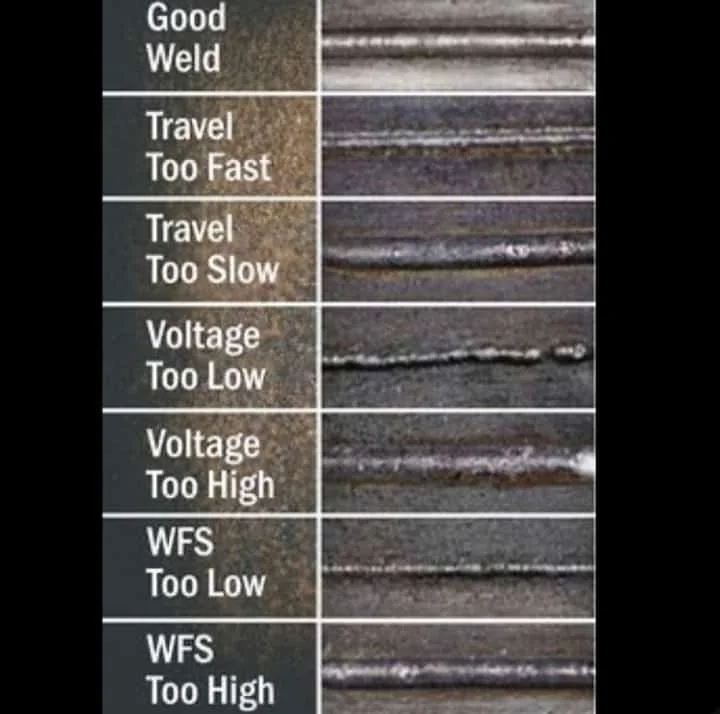 👍1
👍1 -
Noizyboy posted an update in the group Visual Welding Inspection6 years ago
Something went wrong
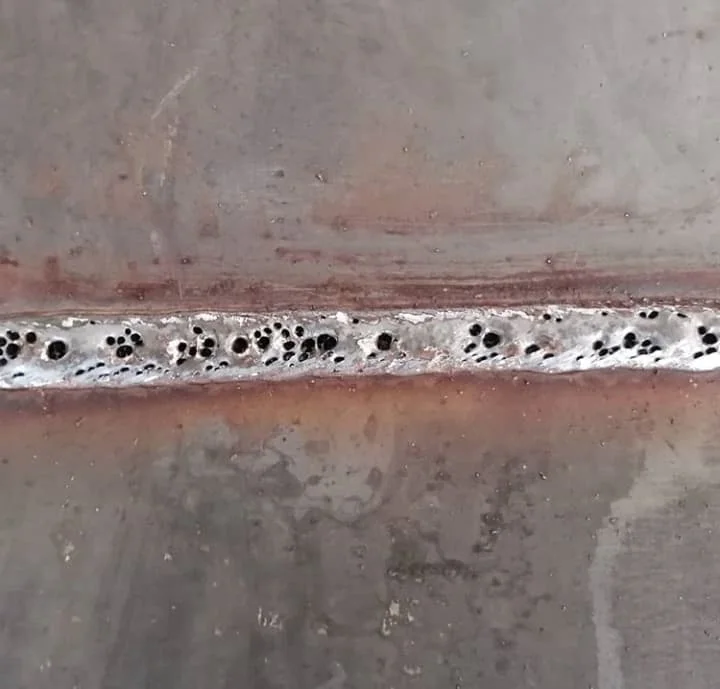
-
Noizyboy posted an update in the group Visual Welding Inspection6 years ago
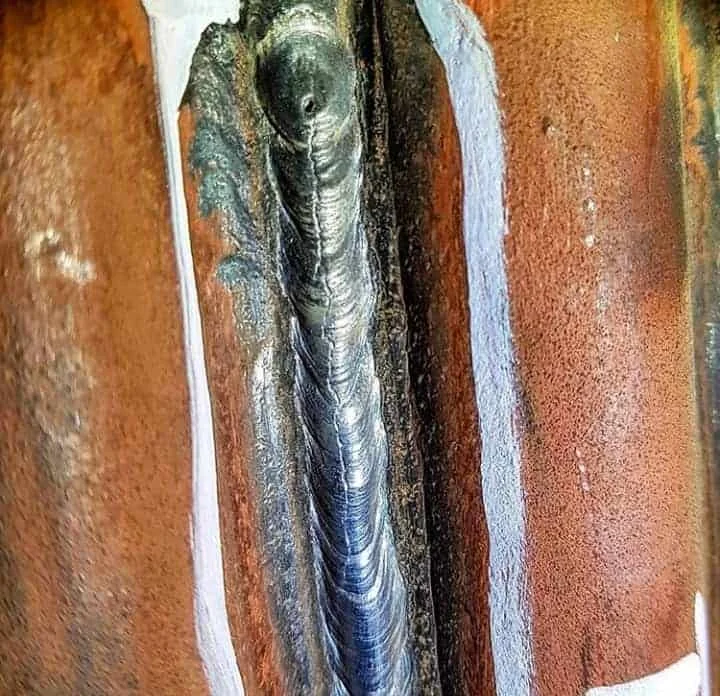
A crack in a weld seam that has grown from an unsealed crater with a defect
 👍2
👍2 -
Noizyboy posted an update in the group Visual Welding Inspection6 years ago
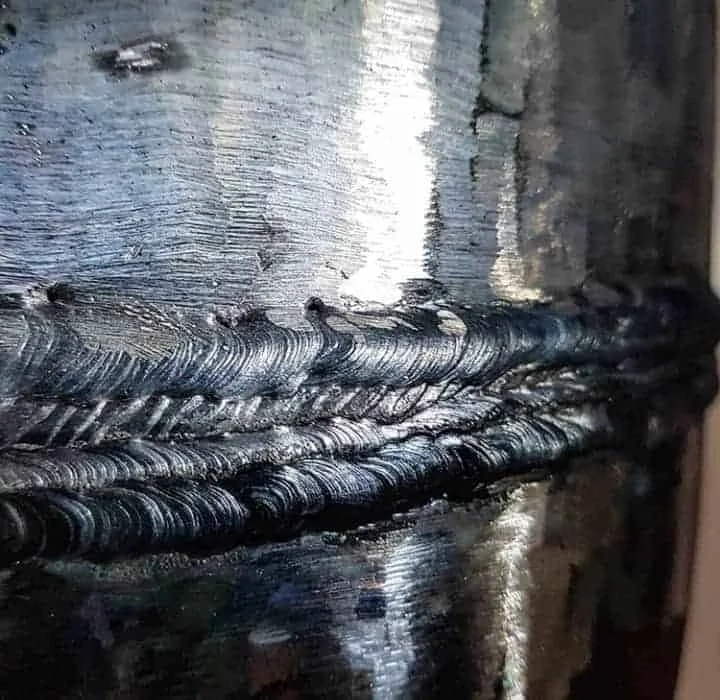
Try to find defect? Visual inspection is one of the important methods of non-destructive testing
 👍2
👍2
Discussions