








What’s new on NDT Inspect
Latest NDT & inspection industry news, jobs and community updates
Live updates from the NDT Inspect community: new NDT job vacancies, product launches from the virtual exhibition, forum discussions and member activity across ultrasonic, radiographic, phased array and every other inspection method. Join free to post and follow.
Members post updates, comment, react and follow the companies they work with. Already a member? Sign in
680 posts in UpdatesClear
-
Automated pipeline inspection is the use of specialized equipment and software to automatically inspect pipelines for defects, corrosion, and other issues. This can be done using various techniques, such as ultrasonic testing, radiography, and magnetic particle inspection. The inspection equipment is mounted on a vehicle, such as a crawler or a drone, which is designed to travel along the pipeline. The vehicle is equipped with sensors and cameras that collect data on the condition of the pipeline, and the data is processed by a computer to create a detailed report of the findings. Automated pipeline inspection allows for the efficient and thorough inspection of pipelines, and it can help identify and address potential problems before they cause failures or leaks.
👍1 -
Cathodic protection is a technique used to prevent the corrosion of metal structures, such as pipelines, ships, and offshore platforms.
It works by using an electric current to create a protective coating on the metal surface, which prevents the formation of rust and other corrosion products. In cathodic protection systems, a direct current is applied to the metal surface using a cathode, which is typically made of zinc or aluminum.
The current flows through the metal and creates an electrical potential, which inhibits the formation of corrosion.
Cathodic protection is a common method for protecting metal structures from corrosion, and it is used in a variety of industries, including oil and gas, marine, and construction.
-
Electricity is produced at a power plant by generating mechanical energy from sources such as coal, natural gas, nuclear fuel, or renewable energy sources such as wind or solar power.
The mechanical energy is used to turn a turbine, which is connected to an electrical generator. As the turbine turns, it causes the generator to spin, producing an electric current.
The current is then directed through power lines to the electrical grid, where it is distributed to consumers.
There are several different methods for generating electricity, and the specific method used depends on the availability of resources and the specific goals and requirements of the power plant.
For example, coal-fired power plants use steam turbines to generate electricity, while hydroelectric power plants use the force of falling water to turn the turbines.
-
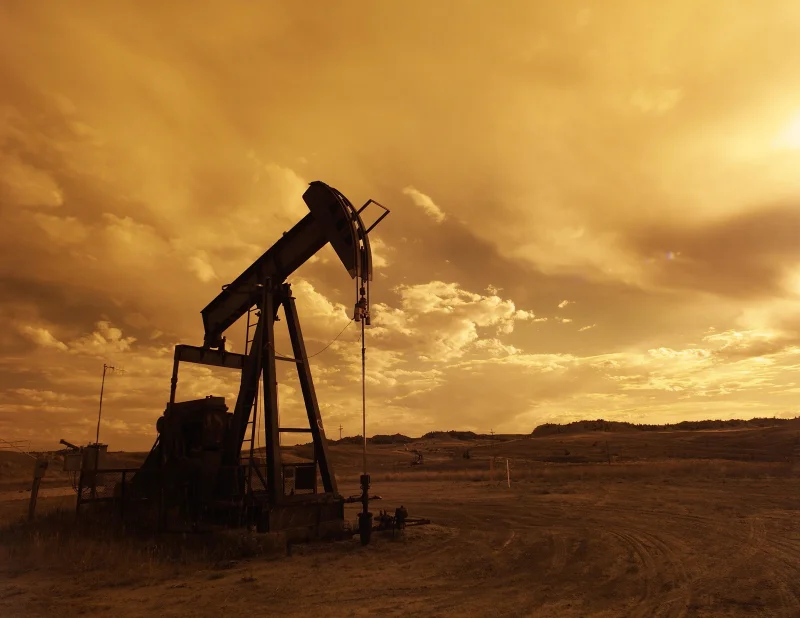
Crude oil is extracted from the earth through a process known as drilling. A well is drilled into an oil-bearing formation, and a pipe, called a casing, is placed inside the well to prevent the hole from collapsing.
A drilling rig, which is a large, specialized piece of equipment, is used to turn the drill bit and create the hole. Once the well reaches the oil-bearing formation, the crude oil is pumped to the surface using a system of pumps and pipelines.
The oil is then transported to a refinery, where it is processed into more useful and valuable products, such as gasoline, diesel, and other petroleum products.
-
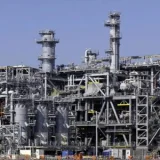
How refinery work?
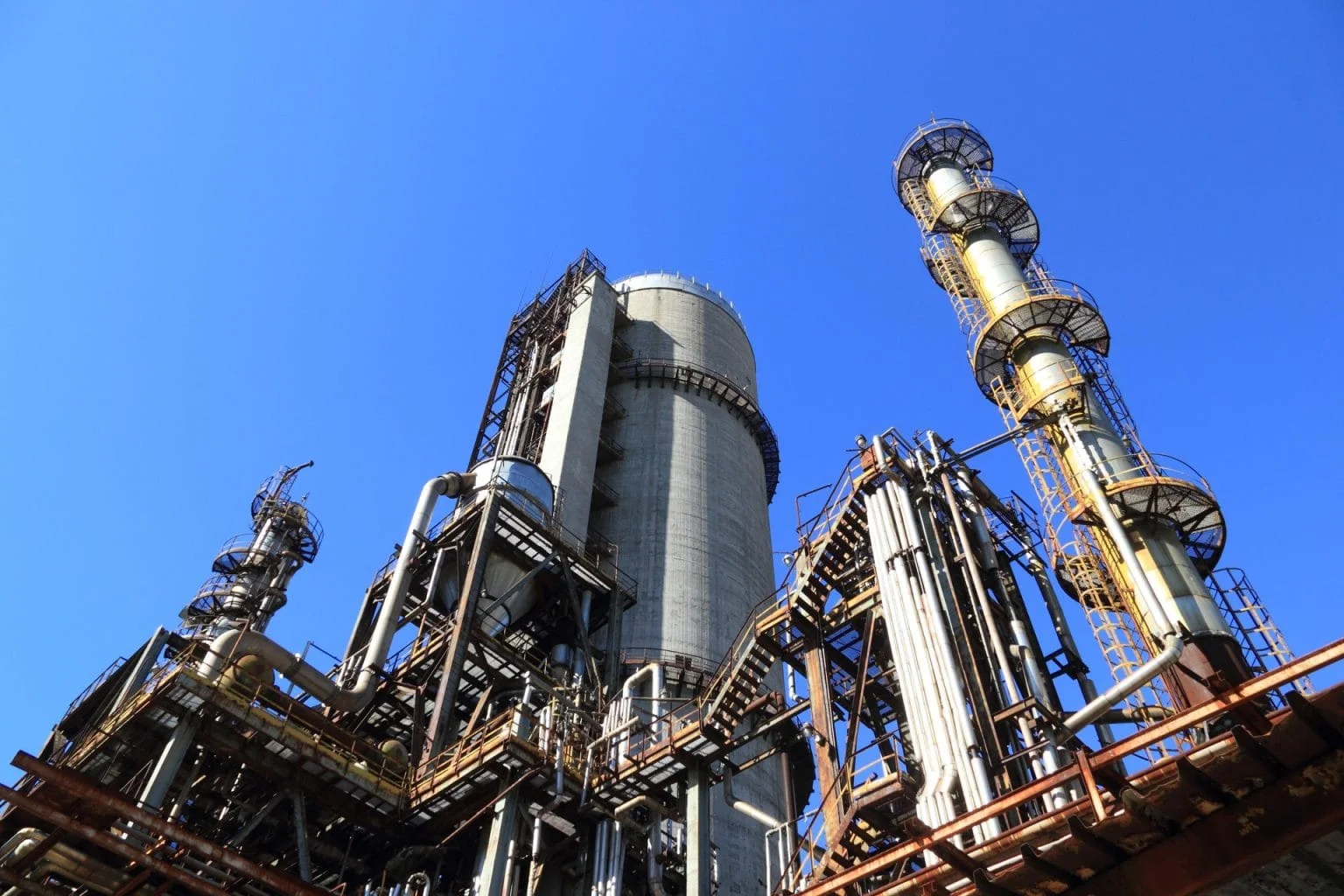
A refinery is a large industrial facility that is used to process raw materials, such as crude oil, into more useful and valuable products, such as gasoline, diesel, and other petroleum products. The process of refining involves several steps, including separating the different components of the raw material, treating and removing impurities, and converting the various components into finished products.
The specific processes used in a refinery depend on the type of raw material and the desired products, but most refineries follow a similar overall flow.
The raw material is first received and stored in tanks. It is then heated and treated to separate the different components, using techniques such as distillation, cracking, and refining. The separated components are then treated further to remove impurities and convert them into the desired products. The finished products are then stored, tested, and transported to market.
-
Did you know?
Phased array ultrasonics is a specialized type of ultrasonic testing that uses multiple transducers to produce and focus sound waves. It was developed in the 1960s and 1970s by researchers at various institutions, including the National Physical Laboratory (NPL) in the UK, the General Electric Company in the US, and the Technical University of Berlin in Germany.
The development of phased array ultrasonics was driven by the need for a more efficient and versatile ultrasonic testing method that could be used to inspect complex geometries and materials with varying properties.
Phased array ultrasonics uses advanced electronics and software to control the timing and direction of the sound waves, allowing for the creation of highly focused beams and the ability to scan large areas quickly and accurately.
-
Did you know?
Ultrasonic testing was developed by a team of scientists at the National Physical Laboratory (NPL) in the UK during the 1940s. The team, led by Dr. George W. Hasted, was working on ways to measure the properties of materials using high-frequency sound waves.
They discovered that by using frequencies above the range of human hearing, they could create sound waves that could be used to detect and measure the thickness of materials, as well as the presence of internal defects.
This led to the development of ultrasonic testing as a non-destructive testing (NDT) method, which has been widely used in various industries to evaluate the quality and condition of materials.
-
Did you know?
X-rays were discovered by the German physicist Wilhelm Röntgen in 1895. Röntgen was working on experiments with cathode ray tubes, which produce a beam of electrons, when he noticed that a fluorescent screen in his laboratory began to glow whenever the cathode ray tube was turned on. This puzzled him, as the screen was several meters away from the tube and was shielded by a lead plate. Röntgen realized that the glowing was caused by a previously unknown type of radiation, which he called X-rays because they were "unknown" at the time. He published his findings in a paper titled "On a New Kind of Rays," which quickly gained attention and led to further research on X-rays and their potential applications. Röntgen was awarded the first Nobel Prize in Physics in 1901 for his discovery of X-rays.
-
 UpdateNDT-Inspect posted an update in the group Magnetic Particle Inspection (MPI) (MT)3 years ago
Did you know:
MPI (magnetic particle inspection) is a non-destructive testing (NDT) method that is used to detect surface and near-surface defects in ferromagnetic materials, such as steel and iron. In MPI, a magnetic field is applied to the material being tested, and fine iron oxide or iron oxide-coated particles are introduced onto the surface.
The particles are attracted to areas of the material where there are defects, such as cracks or inclusions, and they form a visible pattern that indicates the location and size of the defects.
MPI is not typically used on non-ferromagnetic materials, such as aluminum or copper, because the magnetic field cannot penetrate these materials and the iron oxide particles will not be attracted to any defects.
Other NDT methods, such as ultrasonic testing or radiography, may be more suitable for inspecting non-ferromagnetic materials.
-
Did you know:
X-ray films are made of a light-sensitive emulsion that is coated onto a transparent plastic or glass base. The emulsion contains a mixture of silver halide crystals, which are sensitive to X-rays, and other chemicals that are used to process the film and develop the image.
When exposed to X-rays, the silver halide crystals in the emulsion are activated and form a latent image, which can be developed and made visible using a chemical processing technique. The resulting film contains an image of the object that was X-rayed, showing the internal structure of the object in varying shades of black and white.
-
A virtual NDT product exhibition is an online event where manufacturers and suppliers of nondestructive testing (NDT) equipment, products, and services showcase and demonstrate their products to potential customers and clients. Virtual NDT product exhibitions are typically held on a dedicated website or platform, and allow attendees to browse and view the products and services on offer, and to interact with the exhibitors and other attendees.
Virtual NDT product exhibitions offer many of the same benefits as physical NDT product exhibitions, such as the opportunity for NDT manufacturers and suppliers to showcase their products and services to a large and diverse audience, and to build relationships with potential customers and clients. Virtual NDT product exhibitions also provide NDT professionals and engineers with a platform to learn about the latest NDT products and technologies, and to connect with other NDT experts and professionals.
Virtual NDT product exhibitions are typically organized by industry associations, trade organizations, and event management companies, and are open to all interested parties. Virtual NDT product exhibitions typically include a range of activities, such as product demonstrations, technical presentations, workshops, seminars, and networking opportunities, and are held over a period of several days or weeks.
Virtual NDT product exhibitions are an effective and convenient way for NDT manufacturers and suppliers to showcase their products and services, and for NDT professionals and engineers to learn about the latest NDT products and technologies. Virtual NDT product exhibitions are particularly useful in the current climate, where travel and physical gatherings are restricted or difficult.
NDT Inspect Virtual exhibition: /category/product-exhibition/
-
NDT product exhibitions are events where manufacturers and suppliers of nondestructive testing (NDT) equipment, products, and services showcase and demonstrate their products to potential customers and clients. NDT product exhibitions are typically attended by NDT professionals, engineers, and other industry experts, who are interested in learning about the latest NDT products and technologies, and in finding solutions to their NDT challenges and needs.
NDT product exhibitions are typically organized by industry associations, trade organizations, and event management companies, and are held in various locations around the world. NDT product exhibitions are typically one- to three-day events, and include a range of activities, such as product demonstrations, technical presentations, workshops, seminars, and networking opportunities.
NDT product exhibitions offer a unique opportunity for NDT manufacturers and suppliers to showcase their products and services to a large and diverse audience, and to build relationships with potential customers and clients. NDT product exhibitions also provide NDT professionals and engineers with a platform to learn about the latest NDT products and technologies, and to connect with other NDT experts and professionals.
NDT product exhibitions are an important part of the NDT industry, and provide valuable information, insights, and opportunities for NDT manufacturers, suppliers, and professionals. NDT product exhibitions are typically held annually or biannually, and are attended by a large number of NDT professionals, engineers, and other industry experts from around the world.
-
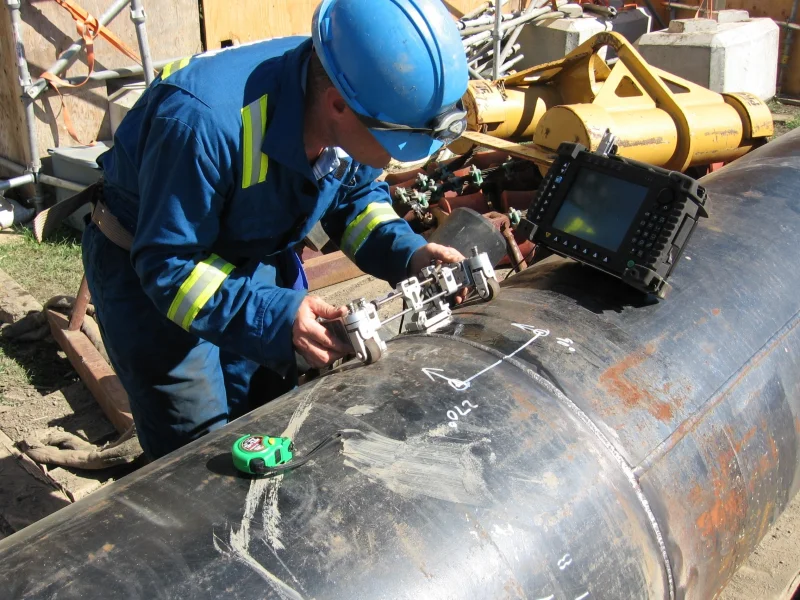
Pipeline inspection is a process that involves evaluating the condition, integrity, and performance of pipelines, using various nondestructive testing (NDT) methods and techniques. Pipeline inspection is used in the oil and gas industry, as well as in other industries that use pipelines to transport fluids, gases, and other materials.
Pipeline inspection is performed to ensure the safety, reliability, and performance of pipelines, and to detect and diagnose defects, flaws, and other anomalies that can affect the pipeline's operation and serviceability. Pipeline inspection is typically performed on-site, without the need to disassemble or interrupt the pipeline's operation.
Pipeline inspection typically involves the use of advanced and specialized NDT methods and techniques, such as ultrasonic testing, magnetic flux leakage, eddy current testing, and radiographic testing. These methods and techniques allow the pipeline inspector to evaluate the internal and external surfaces, structures, and properties of the pipeline, and to provide detailed and accurate information about the pipeline's condition.
Pipeline inspection is performed by qualified and certified NDT technicians, who have the skills, knowledge, and experience to apply the appropriate NDT methods and techniques, and to interpret and evaluate the results of the inspections. Pipeline inspection technicians typically work in oil and gas facilities, and are responsible for ensuring the quality, reliability, and safety of the pipelines.
Pipeline inspection is regulated by national and international standards and guidelines, such as the American Society for Nondestructive Testing (ASNT) and the European Committee for Standardization (CEN). These standards and guidelines provide requirements and guidance for the application, performance, and evaluation of pipeline inspection, and are used to ensure the consistency, reliability, and validity of pipeline inspection inspections and results.
-
Pipeline X-ray inspection is a type of nondestructive testing (NDT) used in the oil and gas industry to inspect and evaluate the condition of pipelines. Pipeline X-ray inspection involves the use of X-ray technology to generate images of the internal and external surfaces of the pipeline, and to detect and diagnose defects, corrosion, and other anomalies.
Pipeline X-ray inspection is typically performed on pipelines that transport oil, gas, and other fluids, and is used to ensure the safety, reliability, and performance of the pipeline. Pipeline X-ray inspection is a fast and efficient way to inspect pipelines, and is typically performed on-site, without the need to disassemble or interrupt the pipeline's operation.
Pipeline X-ray inspection typically involves the use of specialized X-ray equipment, such as portable X-ray generators and detectors, and imaging software. The X-ray equipment is used to generate high-quality images of the pipeline, and to provide detailed and accurate information about the pipeline's condition.
Pipeline X-ray inspection is performed by qualified and certified NDT technicians, who have the skills, knowledge, and experience to operate the X-ray equipment, and to interpret and evaluate the results of the inspections. Pipeline X-ray inspection technicians typically work in oil and gas facilities, and are responsible for ensuring the quality, reliability, and safety of the pipelines.
Pipeline X-ray inspection is regulated by national and international standards and guidelines, such as the American Society for Nondestructive Testing (ASNT) and the European Committee for Standardization (CEN). These standards and guidelines provide requirements and guidance for the application, performance, and evaluation of pipeline X-ray inspection, and are used to ensure the consistency, reliability, and validity of pipeline X-ray inspection inspections and results.
-
To find an NDT job, you can follow these steps:
Research and identify the companies and organizations that offer NDT jobs in your area or field of interest. You can use job search websites, industry directories, and networking platforms to find potential employers.
Develop a strong and professional resume and cover letter, highlighting your education, training, experience, and skills related to NDT. Your resume and cover letter should be tailored to the specific job requirements and expectations of the employers you are applying to.
Network with other NDT professionals and industry experts, to learn more about the job market and opportunities, and to get advice and guidance on how to find an NDT job. You can attend job fairs, workshops, seminars, and other events, to meet and interact with potential employers and colleagues.
Apply for NDT jobs that match your qualifications, skills, and interests. You can use job search websites, online job boards, and recruiting agencies to find and apply for NDT jobs. You can also apply directly to the companies and organizations you are interested in, by submitting your resume and cover letter, and by following their application and recruitment process.
Prepare for the job interviews, by researching the company, reviewing the job requirements, and practicing your answers to common interview questions. You can also use online resources, such as interview guides and tutorials, to learn more about the interview process, and to improve your interview skills.
Overall, finding an NDT job requires a combination of research, networking, preparation, and persistence. By following these steps, you can increase your chances of finding an NDT job that matches your qualifications, skills, and interests.
-
Pneumatic testing is a type of nondestructive testing (NDT) that uses pressurized air or gas to evaluate the integrity, serviceability, and quality of various materials, components, and systems. Pneumatic testing is used in a wide range of industries, including oil and gas, aerospace, automotive, and construction.
Pneumatic testing typically involves the use of specialized equipment, such as air compressors, pressure gauges, and test hoses. The equipment is used to apply a pressurized air or gas to the test specimen, and to monitor the pressure, flow, and other parameters during the test.
Pneumatic testing is used to detect and diagnose defects, flaws, and other imperfections in materials, components, and systems. Pneumatic testing is typically performed on materials and components that are not easily accessible or visible, and is used to evaluate the structural integrity, serviceability, and quality of the test specimen.
Pneumatic testing is performed by qualified and certified NDT technicians, who have the skills, knowledge, and experience to operate the pneumatic testing equipment, and to interpret and evaluate the results of the tests. Pneumatic testing technicians typically work in manufacturing and inspection facilities, and are responsible for ensuring the quality, reliability, and safety of the materials and components being tested.
Pneumatic testing is regulated by national and international standards and guidelines, such as the American Society for Nondestructive Testing (ASNT) and the European Committee for Standardization (CEN). These standards and guidelines provide requirements and guidance for the application, performance, and evaluation of pneumatic testing, and are used to ensure the consistency, reliability, and validity of pneumatic testing inspections and results.
-
There are many different types of welding processes, each with its own unique characteristics and applications. Some common types of welding include:
Gas metal arc welding (GMAW): Also known as MIG (metal inert gas) welding, GMAW is a process that uses a consumable wire electrode and an inert gas to shield the weld from contamination. GMAW is a widely used welding process, and is suitable for a variety of materials, including steel, aluminum, and stainless steel.
Shielded metal arc welding (SMAW): Also known as stick welding, SMAW is a process that uses a consumable electrode that is coated in flux to shield the weld from contamination. SMAW is a versatile welding process, and is suitable for a variety of materials, including steel, cast iron, and nickel alloys.
Flux-cored arc welding (FCAW): FCAW is a process that uses a consumable wire electrode that is filled with flux. The flux creates a protective shield around the weld, and also helps to produce a high-quality weld. FCAW is a fast and efficient welding process, and is suitable for a variety of materials, including steel, aluminum, and stainless steel.
Tungsten inert gas welding (TIG): TIG welding is a process that uses a non-consumable tungsten electrode and an inert gas to shield the weld from contamination. TIG welding is a precise and versatile welding process, and is suitable for a variety of materials, including steel, aluminum, and magnesium.
Submerged arc welding (SAW): SAW is a process that uses a consumable wire electrode and a blanket of granular flux to shield the weld from contamination. SAW is a high-speed welding process, and is suitable for a variety of materials, including steel, stainless steel, and nickel alloys.
-
Welding is a process that involves joining two or more pieces of metal or other materials together, using heat, pressure, or a combination of both. Welding is a commonly used technique in many different industries, including construction, manufacturing, automotive, aerospace, and shipbuilding.
There are many different welding processes, including gas metal arc welding (GMAW), shielded metal arc welding (SMAW), flux-cored arc welding (FCAW), and tungsten inert gas welding (TIG). Each welding process uses different equipment and techniques, and is suitable for different applications and materials.
Welding is a skilled and specialized trade, and requires extensive training and experience to master. Welders are trained to operate the welding equipment, prepare the materials, and apply the appropriate welding techniques to achieve the desired results. Welders must also be familiar with the relevant safety regulations and standards, and must follow proper safety procedures to prevent accidents and injuries.
Welding is an essential part of many different manufacturing and construction processes, and is used to create strong, durable, and reliable connections between different parts and components. Welding is also used in the repair and maintenance of existing structures and equipment, and is an important part of many different industries and activities.
-
Intelligent pigging is a type of nondestructive testing (NDT) used in the oil and gas industry to inspect and evaluate the condition of pipelines. Intelligent pigging involves the use of a specialized tool known as a pipeline inspection gauge (PIG), which is designed to travel through the pipeline and perform a range of inspections and measurements.
Intelligent pigging is used to detect and diagnose defects, corrosion, and other anomalies in pipelines, without causing any damage or disruption to the pipeline's operation. Intelligent pigging is typically performed on pipelines that transport oil, gas, and other fluids, and is used to ensure the safety, reliability, and performance of the pipeline.
Intelligent pigging typically involves the use of advanced and specialized NDT methods and techniques, such as ultrasonic testing, magnetic flux leakage, and eddy current testing. These methods and techniques allow the PIG to inspect and evaluate the internal and external surfaces, structures, and properties of the pipeline, and to provide detailed and accurate information about the pipeline's condition.
Intelligent pigging is performed by qualified and certified NDT technicians, who have the skills, knowledge, and experience to operate the PIG and to interpret and evaluate the results of the inspections. Intelligent pigging technicians typically work in oil and gas facilities, and are responsible for ensuring the quality, reliability, and safety of the pipelines.
Intelligent pigging is regulated by national and international standards and guidelines, such as the American Society for Nondestructive Testing (ASNT) and the European Committee for Standardization (CEN). These standards and guidelines provide requirements and guidance for the application, performance, and evaluation of intelligent pigging, and are used to ensure the consistency, reliability, and validity of intelligent pigging inspections and results.
-
The nuclear industry uses nondestructive testing (NDT) techniques to ensure the safety, reliability, and performance of its products and operations. Nuclear NDT is the application of NDT methods and techniques in the nuclear industry, to inspect and evaluate the structural integrity, serviceability, and quality of nuclear components, materials, and systems.
Nuclear NDT plays a critical role in the design, manufacture, maintenance, and repair of nuclear components and systems, including reactors, fuel assemblies, and other systems. Nuclear NDT is used to detect and diagnose defects, flaws, and other imperfections that can affect the safety, performance, and durability of nuclear components and systems.
Nuclear NDT typically involves the use of advanced and specialized NDT methods and techniques, such as radiographic testing, ultrasonic testing, eddy current testing, magnetic particle testing, and liquid penetrant testing. These methods and techniques allow nuclear NDT technicians to inspect and evaluate the internal and external surfaces, structures, and properties of nuclear components and systems, without causing any damage or disruption to their function and operation.
Nuclear NDT is performed by qualified and certified NDT technicians, who have the skills, knowledge, and experience to apply the appropriate NDT methods and techniques, and to interpret and evaluate the results of the NDT inspections. Nuclear NDT technicians typically work in nuclear power plants and research facilities, and are responsible for ensuring the quality, reliability, and safety of nuclear products and systems.
Nuclear NDT is regulated by national and international standards and guidelines, such as the American Society for Nondestructive Testing (ASNT) and the European Committee for Standardization (CEN). These standards and guidelines provide requirements and guidance for the application, performance, and evaluation of nuclear NDT, and are used to ensure the consistency, reliability, and validity of nuclear NDT inspections and results.
-
The nuclear sector is a specialized industry that involves the development, production, and use of nuclear materials and technologies. The nuclear sector plays a crucial role in the global economy, as nuclear energy is a significant source of electricity, and nuclear technology is used in many different fields, including medicine, agriculture, and defense.
The nuclear sector is a complex and dynamic industry, with many different activities and operations, ranging from research and development to production and disposal. The nuclear sector is also a capital-intensive and technology-driven industry, with a high demand for advanced equipment, materials, and services.
The nuclear sector consists of several subsectors, including power generation, medical, and research. Power generation involves the production of electricity using nuclear reactors, which generate heat and steam to drive turbines and generators. Medical involves the use of nuclear technology in the diagnosis and treatment of diseases, such as cancer, heart disease, and other conditions. Research involves the development and application of nuclear technology in various fields, such as agriculture, defense, and space exploration.
The nuclear sector is subject to a range of economic, political, and environmental factors, which can affect the demand, supply, and use of nuclear materials and technologies. The nuclear sector is also subject to various regulations and standards, which are designed to ensure the safety, security, and environmental protection of nuclear operations.
The nuclear sector employs a large and diverse workforce, with a wide range of skills, knowledge, and experience. The nuclear sector is a major employer, providing jobs and opportunities for people in many different fields, including engineering, science, technology, and business.
Overall, the nuclear sector is a crucial and dynamic industry, which plays a vital role in the global economy, and provides essential energy and technology services for many different industries and activities.
-
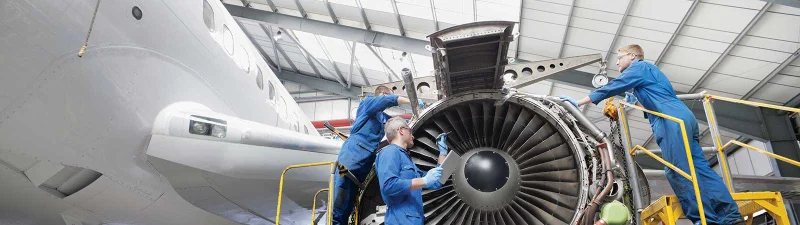
The power industry uses nondestructive testing (NDT) techniques to ensure the safety, reliability, and performance of its products and operations. Power NDT is the application of NDT methods and techniques in the power industry, to inspect and evaluate the structural integrity, serviceability, and quality of power components, materials, and systems.
Power NDT plays a critical role in the design, manufacture, maintenance, and repair of power components and systems, including generators, turbines, transformers, and other systems. Power NDT is used to detect and diagnose defects, flaws, and other imperfections that can affect the safety, performance, and durability of power components and systems.
Power NDT typically involves the use of advanced and specialized NDT methods and techniques, such as radiographic testing, ultrasonic testing, eddy current testing, magnetic particle testing, and liquid penetrant testing. These methods and techniques allow power NDT technicians to inspect and evaluate the internal and external surfaces, structures, and properties of power components and systems, without causing any damage or disruption to their function and operation.
Power NDT is performed by qualified and certified NDT technicians, who have the skills, knowledge, and experience to apply the appropriate NDT methods and techniques, and to interpret and evaluate the results of the NDT inspections. Power NDT technicians typically work in power generation and maintenance facilities, and are responsible for ensuring the quality, reliability, and safety of power products and systems.
Power NDT is regulated by national and international standards and guidelines, such as the American Society for Nondestructive Testing (ASNT) and the European Committee for Standardization (CEN). These standards and guidelines provide requirements and guidance for the application, performance, and evaluation of power NDT, and are used to ensure the consistency, reliability, and validity of power NDT inspections and results.
-
The power sector is an important industry that involves the generation, transmission, and distribution of electricity. The power sector plays a crucial role in the global economy, as electricity is a vital source of energy for many different industries and activities, including transportation, manufacturing, agriculture, and communications.
The power sector is a complex and dynamic industry, with many different activities and operations, ranging from power generation to transmission and distribution. The power sector is also a capital-intensive and technology-driven industry, with a high demand for advanced equipment, materials, and services.
The power sector consists of several subsectors, including generation, transmission, and distribution. Generation involves the production of electricity, using various sources of energy, such as coal, natural gas, nuclear, hydro, solar, and wind. Transmission involves the transmission of electricity over long distances, using high-voltage transmission lines, substations, and transformers. Distribution involves the distribution of electricity to consumers, using low-voltage distribution networks, meters, and other equipment.
The power sector is subject to a range of economic, political, and environmental factors, which can affect the demand, supply, and price of electricity. The power sector is also subject to various regulations and standards, which are designed to ensure the safety, reliability, and sustainability of power operations.
The power sector employs a large and diverse workforce, with a wide range of skills, knowledge, and experience. The power sector is a major employer, providing jobs and opportunities for people in many different fields, including engineering, science, technology, and business.
Overall, the power sector is a crucial and dynamic industry, which plays a vital role in the global economy, and provides essential energy services for many different industries and activities.
-
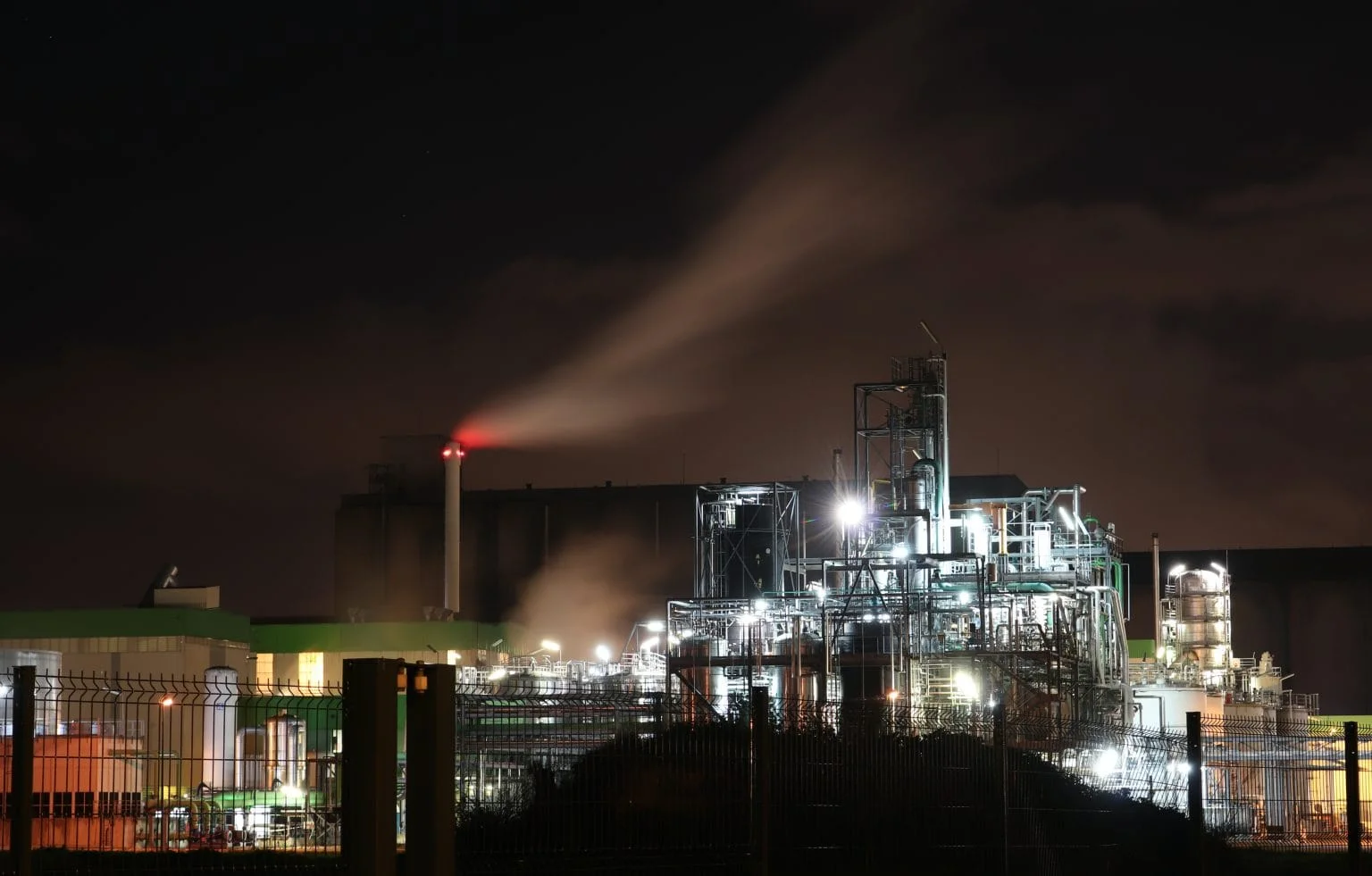
The chemical industry uses nondestructive testing (NDT) techniques to ensure the safety, reliability, and performance of its products and operations. Chemical NDT is the application of NDT methods and techniques in the chemical industry, to inspect and evaluate the structural integrity, serviceability, and quality of chemical components, materials, and systems.
Chemical NDT plays a critical role in the design, manufacture, maintenance, and repair of chemical components and systems, including pipelines, tanks, vessels, and other systems. Chemical NDT is used to detect and diagnose defects, flaws, and other imperfections that can affect the safety, performance, and durability of chemical components and systems.
Chemical NDT typically involves the use of advanced and specialized NDT methods and techniques, such as radiographic testing, ultrasonic testing, eddy current testing, magnetic particle testing, and liquid penetrant testing. These methods and techniques allow chemical NDT technicians to inspect and evaluate the internal and external surfaces, structures, and properties of chemical components and systems, without causing any damage or disruption to their function and operation.
Chemical NDT is performed by qualified and certified NDT technicians, who have the skills, knowledge, and experience to apply the appropriate NDT methods and techniques, and to interpret and evaluate the results of the NDT inspections. Chemical NDT technicians typically work in chemical manufacturing and maintenance facilities, and are responsible for ensuring the quality, reliability, and safety of chemical products and systems.
Chemical NDT is regulated by national and international standards and guidelines, such as the American Society for Nondestructive Testing (ASNT) and the European Committee for Standardization (CEN). These standards and guidelines provide requirements and guidance for the application, performance, and evaluation of chemical NDT, and are used to ensure the consistency, reliability, and validity of chemical NDT inspections and results.
-
The chemical sector is an important industry that involves the production, processing, and distribution of chemicals and chemical products. The chemical sector plays a crucial role in the global economy, as chemicals are used in a wide range of products, including pharmaceuticals, plastics, fertilizers, paints, dyes, and other materials.
The chemical sector is a diverse and complex industry, with many different activities and operations, ranging from research and development to manufacturing and distribution. The chemical sector is also a capital-intensive and technology-driven industry, with a high demand for advanced equipment, materials, and services.
The chemical sector consists of several subsectors, including basic chemicals, specialty chemicals, and consumer chemicals. Basic chemicals are the building blocks of other chemicals, and include elements, compounds, and other substances that are used as raw materials in the production of other chemicals. Specialty chemicals are chemicals that are used in specific applications or industries, such as pharmaceuticals, electronics, and construction. Consumer chemicals are chemicals that are used in everyday products, such as cleaning products, personal care products, and food additives.
The chemical sector is subject to a range of economic, political, and environmental factors, which can affect the demand, supply, and price of chemicals and chemical products. The chemical sector is also subject to various regulations and standards, which are designed to ensure the safety, environmental protection, and sustainability of chemical operations.
The chemical sector employs a large and diverse workforce, with a wide range of skills, knowledge, and experience. The chemical sector is a major employer, providing jobs and opportunities for people in many different fields, including chemistry, engineering, science, technology, and business.
Overall, the chemical sector is a crucial and dynamic industry, which plays a vital role in the global economy, and provides essential materials and products for many different industries and activities.