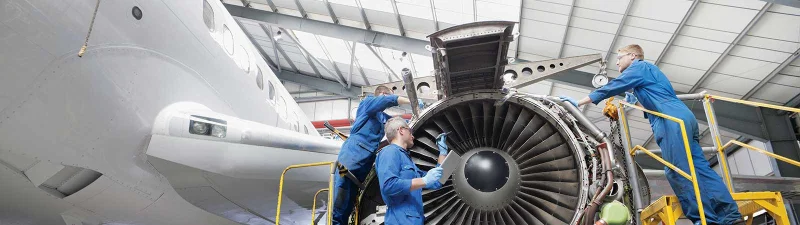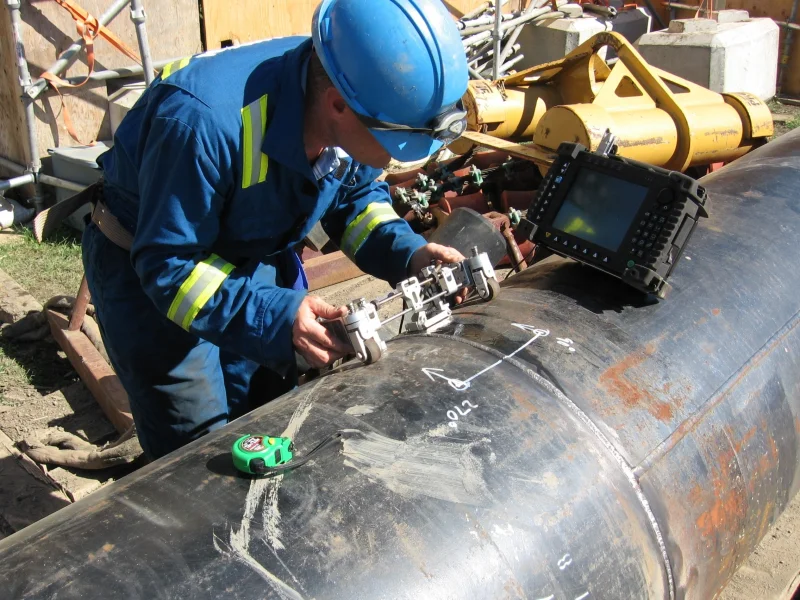

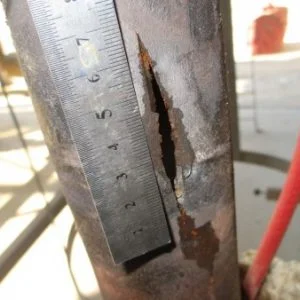
Welcome to NDT Inspect's visual inspection group, a place for professionals to connect and discuss the latest techniques and technologies in visual inspection.
Visual inspection is a specialized field within non-destructive testing (NDT) and inspection that involves the evaluation of components, structures, and materials using visual inspection techniques to ensure their safety and reliability. It is an important aspect of ensuring the safety of personnel and equipment in various industries, including manufacturing, construction, and engineering.
Visual inspection involves the use of specialized equipment and techniques to evaluate the condition and performance of components, structures, and materials, such as magnifiers, boroscopes, and other optical inspection tools. It may involve the use of other NDT methods, such as ultrasonic testing, radiographic testing, and magnetic particle inspection, to identify any potential issues or defects, such as cracks, porosity, or corrosion. Visual inspection is often regulated by codes and standards, such as the American Society for Testing and Materials (ASTM) standards, to ensure the safety and reliability of components, structures, and materials.
Our member group offers a platform for sharing knowledge and best practices on visual inspection and its applications in various industries. Join our community of experts from around the world and be a part of the conversation on advancing the practice of visual inspection and its applications in the field of NDT and inspection. Whether you are new to visual inspection or an experienced professional, you'll find valuable resources and a welcoming community in our group.
Updates
-
 Mark Gilmour posted an update in the group Visual Inspection3 days ago
Weld inspection challenge: a 6 mm leg. But what is the throat?
Use the left-hand sketch: a 90° equal-leg fillet weld with a straight, flat face and 6 mm legs. Do not include any additional penetration.
What is its nominal throat thickness, approximately?
A) 3.00 mm
B) 4.24 mm
C) 6.00 mm
D) 8.49 mm
What would you choose, and why? Add your reasoning below. My answer is below
Answer: B) Approximately 4.24 mm.
For the ideal equal-leg mitre fillet shown:
a = z / √2 = 6 / √2 ≈ 4.24 mm.
Here, z is the leg length and a is the nominal throat.
The relationship relies on the stated geometry. Unequal legs, a different joint angle or a different face profile need appropriate assessment. Additional penetration must not simply be assumed.
This calculation does not prove internal fusion or establish acceptance. Assess the actual weld against the drawing, applicable standard and approved procedure.
More illustrated revision in NDT Pro Study Plus:
https://ndt-pro-study-plus.pplx.app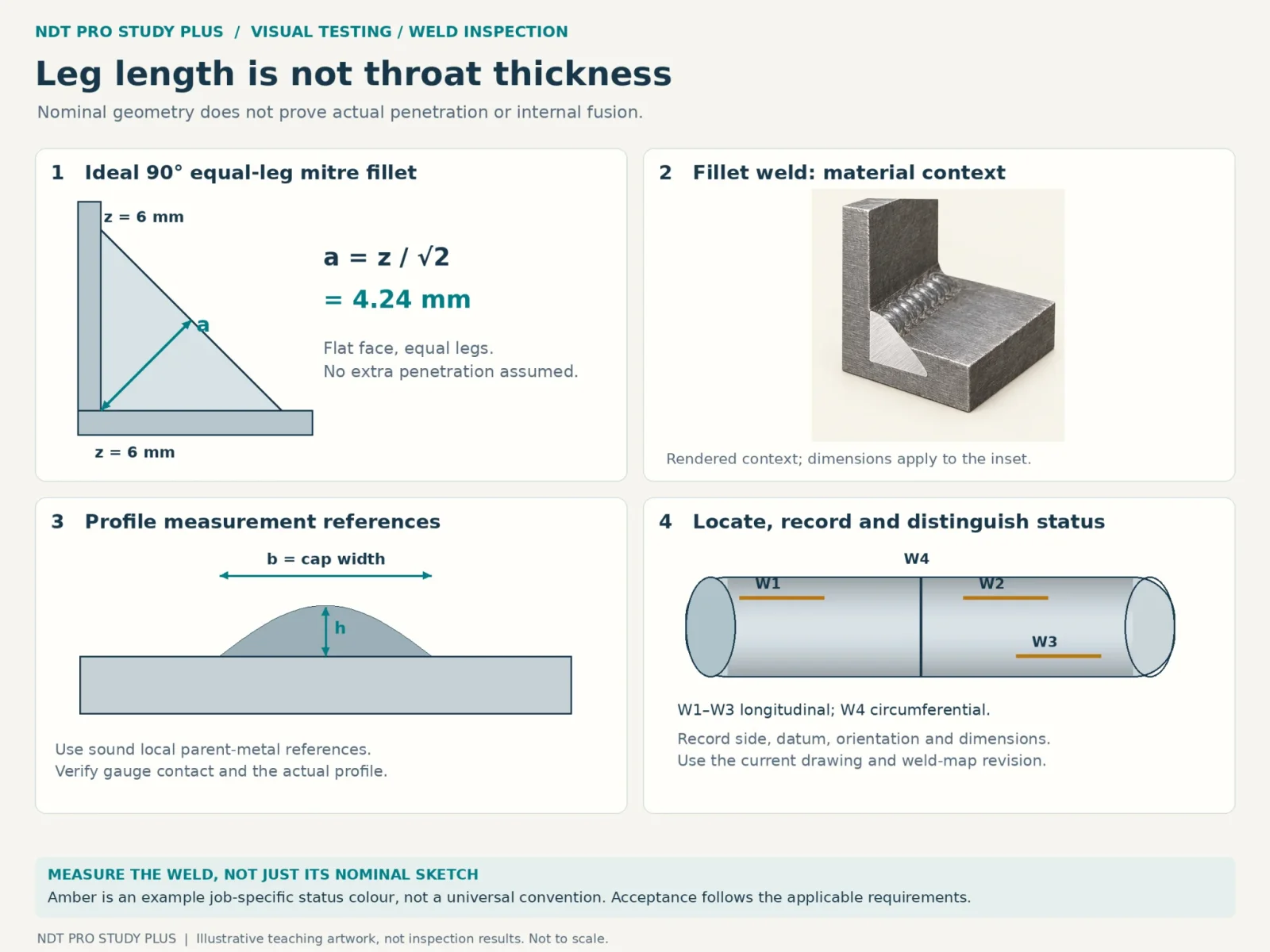
-
Mark Gilmour joined the group Visual Inspection3 days ago
-
 NDT-Inspect posted an update in the group Visual Inspection3 years ago
Visual inspection is a type of nondestructive testing (NDT) method that uses the human eye to detect and evaluate defects in materials or components. Visual inspection is performed by trained and certified personnel, who use their eyesight, along with specialized lighting and inspection aids, to examine the surface of the material or component being tested.
Visual inspection is commonly used to detect surface defects, such as cracks, voids, inclusions, or corrosion, that may affect the strength or performance of the material or component. Visual inspection can also be used to evaluate the condition of coatings, such as paint or plating, and to verify that the material or component meets specified dimensional or visual requirements.
Visual inspection is a cost-effective and versatile NDT method, and can be performed on a wide range of materials and components, including metals, plastics, ceramics, and composites. However, visual inspection is limited by the ability of the inspector to detect defects, and may not be suitable for detecting certain types of defects, such as those that are hidden or are not visible to the naked eye. As a result, visual inspection is often used in conjunction with other NDT methods to provide a more comprehensive evaluation of the material or component.
👍1 -
 mohamed-ali-bagath joined the group Visual Inspection4 years ago
 -
 noizyboy posted an update in the group Visual Inspection5 years ago
A crack was visually detected on the heat exchanger baffle
Визуально обнаружена трещина на перегородке теплообменника
-
noizyboy posted an update in the group Visual Inspection5 years ago

-
noizyboy posted an update in the group Visual Inspection5 years ago

-
noizyboy posted an update in the group Visual Inspection5 years ago

-
noizyboy posted an update in the group Visual Inspection5 years ago
небольшие трещины теплообменника
-
noizyboy posted an update in the group Visual Inspection5 years ago

-
noizyboy posted an update in the group Visual Inspection5 years ago

-
noizyboy posted an update in the group Visual Inspection5 years ago

-
noizyboy posted an update in the group Visual Inspection5 years ago
"Не большие трещины" на теле теплообменника
-
 Doug posted an update in the group Visual Inspection5 years ago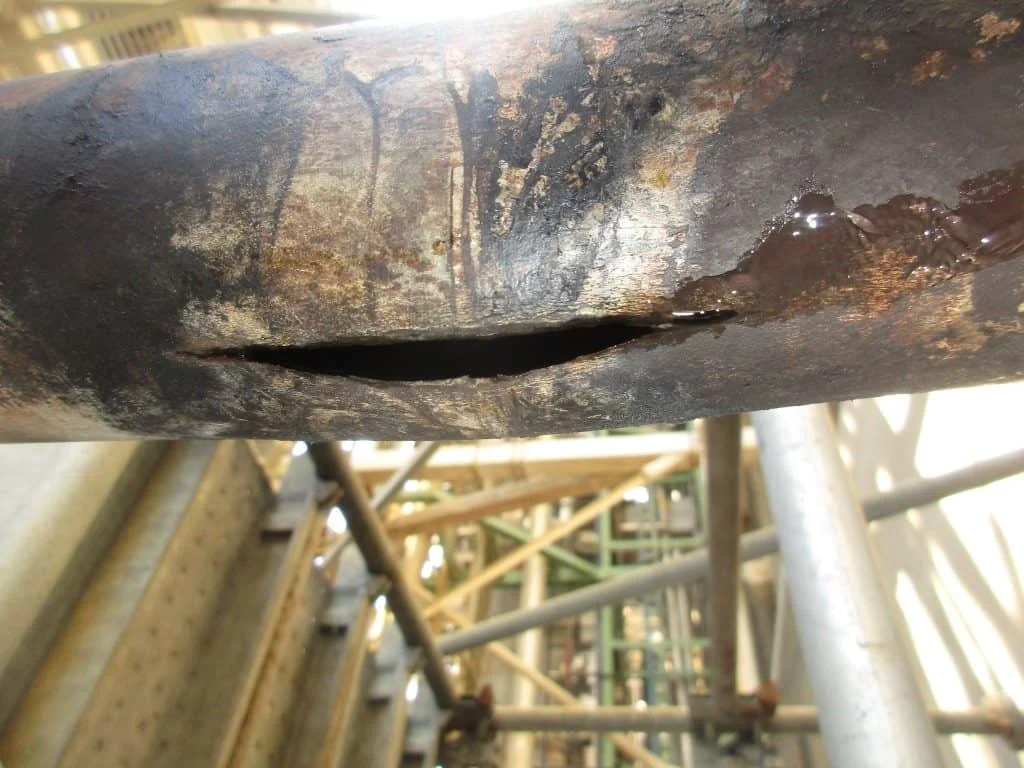
Discussions