








What’s new on NDT Inspect
Latest NDT & inspection industry news, jobs and community updates
Live updates from the NDT Inspect community: new NDT job vacancies, product launches from the virtual exhibition, forum discussions and member activity across ultrasonic, radiographic, phased array and every other inspection method. Join free to post and follow.
Members post updates, comment, react and follow the companies they work with. Already a member? Sign in
-
-
-
-
A virtual NDT product exhibition is an online event where manufacturers and suppliers of nondestructive testing (NDT) equipment, products, and services showcase and demonstrate their products to potential customers and clients. Virtual NDT product exhibitions are typically held on a dedicated website or platform, and allow attendees to browse and view the products and services on offer, and to interact with the exhibitors and other attendees.
Virtual NDT product exhibitions offer many of the same benefits as physical NDT product exhibitions, such as the opportunity for NDT manufacturers and suppliers to showcase their products and services to a large and diverse audience, and to build relationships with potential customers and clients. Virtual NDT product exhibitions also provide NDT professionals and engineers with a platform to learn about the latest NDT products and technologies, and to connect with other NDT experts and professionals.
Virtual NDT product exhibitions are typically organized by industry associations, trade organizations, and event management companies, and are open to all interested parties. Virtual NDT product exhibitions typically include a range of activities, such as product demonstrations, technical presentations, workshops, seminars, and networking opportunities, and are held over a period of several days or weeks.
Virtual NDT product exhibitions are an effective and convenient way for NDT manufacturers and suppliers to showcase their products and services, and for NDT professionals and engineers to learn about the latest NDT products and technologies. Virtual NDT product exhibitions are particularly useful in the current climate, where travel and physical gatherings are restricted or difficult.
NDT Inspect Virtual exhibition: /category/product-exhibition/
-
NDT product exhibitions are events where manufacturers and suppliers of nondestructive testing (NDT) equipment, products, and services showcase and demonstrate their products to potential customers and clients. NDT product exhibitions are typically attended by NDT professionals, engineers, and other industry experts, who are interested in learning about the latest NDT products and technologies, and in finding solutions to their NDT challenges and needs.
NDT product exhibitions are typically organized by industry associations, trade organizations, and event management companies, and are held in various locations around the world. NDT product exhibitions are typically one- to three-day events, and include a range of activities, such as product demonstrations, technical presentations, workshops, seminars, and networking opportunities.
NDT product exhibitions offer a unique opportunity for NDT manufacturers and suppliers to showcase their products and services to a large and diverse audience, and to build relationships with potential customers and clients. NDT product exhibitions also provide NDT professionals and engineers with a platform to learn about the latest NDT products and technologies, and to connect with other NDT experts and professionals.
NDT product exhibitions are an important part of the NDT industry, and provide valuable information, insights, and opportunities for NDT manufacturers, suppliers, and professionals. NDT product exhibitions are typically held annually or biannually, and are attended by a large number of NDT professionals, engineers, and other industry experts from around the world.
-
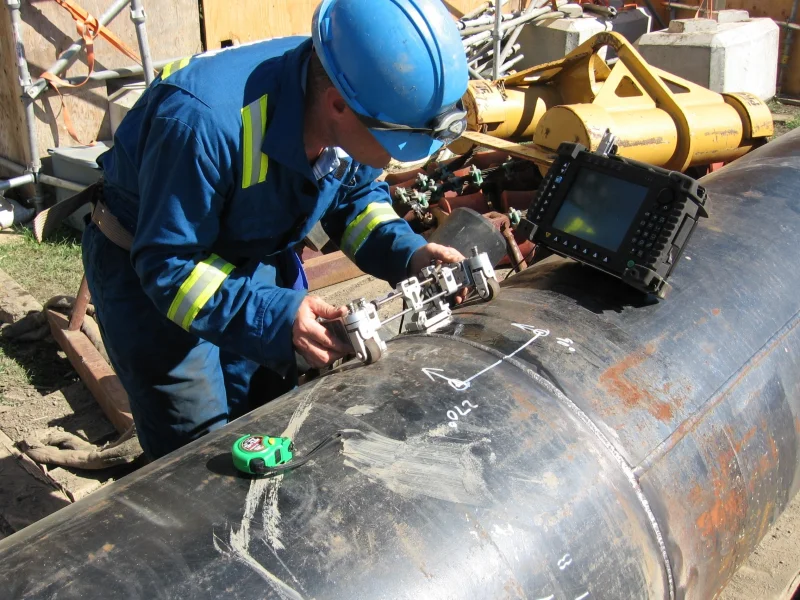
Pipeline inspection is a process that involves evaluating the condition, integrity, and performance of pipelines, using various nondestructive testing (NDT) methods and techniques. Pipeline inspection is used in the oil and gas industry, as well as in other industries that use pipelines to transport fluids, gases, and other materials.
Pipeline inspection is performed to ensure the safety, reliability, and performance of pipelines, and to detect and diagnose defects, flaws, and other anomalies that can affect the pipeline's operation and serviceability. Pipeline inspection is typically performed on-site, without the need to disassemble or interrupt the pipeline's operation.
Pipeline inspection typically involves the use of advanced and specialized NDT methods and techniques, such as ultrasonic testing, magnetic flux leakage, eddy current testing, and radiographic testing. These methods and techniques allow the pipeline inspector to evaluate the internal and external surfaces, structures, and properties of the pipeline, and to provide detailed and accurate information about the pipeline's condition.
Pipeline inspection is performed by qualified and certified NDT technicians, who have the skills, knowledge, and experience to apply the appropriate NDT methods and techniques, and to interpret and evaluate the results of the inspections. Pipeline inspection technicians typically work in oil and gas facilities, and are responsible for ensuring the quality, reliability, and safety of the pipelines.
Pipeline inspection is regulated by national and international standards and guidelines, such as the American Society for Nondestructive Testing (ASNT) and the European Committee for Standardization (CEN). These standards and guidelines provide requirements and guidance for the application, performance, and evaluation of pipeline inspection, and are used to ensure the consistency, reliability, and validity of pipeline inspection inspections and results.
-
Pipeline X-ray inspection is a type of nondestructive testing (NDT) used in the oil and gas industry to inspect and evaluate the condition of pipelines. Pipeline X-ray inspection involves the use of X-ray technology to generate images of the internal and external surfaces of the pipeline, and to detect and diagnose defects, corrosion, and other anomalies.
Pipeline X-ray inspection is typically performed on pipelines that transport oil, gas, and other fluids, and is used to ensure the safety, reliability, and performance of the pipeline. Pipeline X-ray inspection is a fast and efficient way to inspect pipelines, and is typically performed on-site, without the need to disassemble or interrupt the pipeline's operation.
Pipeline X-ray inspection typically involves the use of specialized X-ray equipment, such as portable X-ray generators and detectors, and imaging software. The X-ray equipment is used to generate high-quality images of the pipeline, and to provide detailed and accurate information about the pipeline's condition.
Pipeline X-ray inspection is performed by qualified and certified NDT technicians, who have the skills, knowledge, and experience to operate the X-ray equipment, and to interpret and evaluate the results of the inspections. Pipeline X-ray inspection technicians typically work in oil and gas facilities, and are responsible for ensuring the quality, reliability, and safety of the pipelines.
Pipeline X-ray inspection is regulated by national and international standards and guidelines, such as the American Society for Nondestructive Testing (ASNT) and the European Committee for Standardization (CEN). These standards and guidelines provide requirements and guidance for the application, performance, and evaluation of pipeline X-ray inspection, and are used to ensure the consistency, reliability, and validity of pipeline X-ray inspection inspections and results.
-
To find an NDT job, you can follow these steps:
Research and identify the companies and organizations that offer NDT jobs in your area or field of interest. You can use job search websites, industry directories, and networking platforms to find potential employers.
Develop a strong and professional resume and cover letter, highlighting your education, training, experience, and skills related to NDT. Your resume and cover letter should be tailored to the specific job requirements and expectations of the employers you are applying to.
Network with other NDT professionals and industry experts, to learn more about the job market and opportunities, and to get advice and guidance on how to find an NDT job. You can attend job fairs, workshops, seminars, and other events, to meet and interact with potential employers and colleagues.
Apply for NDT jobs that match your qualifications, skills, and interests. You can use job search websites, online job boards, and recruiting agencies to find and apply for NDT jobs. You can also apply directly to the companies and organizations you are interested in, by submitting your resume and cover letter, and by following their application and recruitment process.
Prepare for the job interviews, by researching the company, reviewing the job requirements, and practicing your answers to common interview questions. You can also use online resources, such as interview guides and tutorials, to learn more about the interview process, and to improve your interview skills.
Overall, finding an NDT job requires a combination of research, networking, preparation, and persistence. By following these steps, you can increase your chances of finding an NDT job that matches your qualifications, skills, and interests.
-
Pneumatic testing is a type of nondestructive testing (NDT) that uses pressurized air or gas to evaluate the integrity, serviceability, and quality of various materials, components, and systems. Pneumatic testing is used in a wide range of industries, including oil and gas, aerospace, automotive, and construction.
Pneumatic testing typically involves the use of specialized equipment, such as air compressors, pressure gauges, and test hoses. The equipment is used to apply a pressurized air or gas to the test specimen, and to monitor the pressure, flow, and other parameters during the test.
Pneumatic testing is used to detect and diagnose defects, flaws, and other imperfections in materials, components, and systems. Pneumatic testing is typically performed on materials and components that are not easily accessible or visible, and is used to evaluate the structural integrity, serviceability, and quality of the test specimen.
Pneumatic testing is performed by qualified and certified NDT technicians, who have the skills, knowledge, and experience to operate the pneumatic testing equipment, and to interpret and evaluate the results of the tests. Pneumatic testing technicians typically work in manufacturing and inspection facilities, and are responsible for ensuring the quality, reliability, and safety of the materials and components being tested.
Pneumatic testing is regulated by national and international standards and guidelines, such as the American Society for Nondestructive Testing (ASNT) and the European Committee for Standardization (CEN). These standards and guidelines provide requirements and guidance for the application, performance, and evaluation of pneumatic testing, and are used to ensure the consistency, reliability, and validity of pneumatic testing inspections and results.
-
There are many different types of welding processes, each with its own unique characteristics and applications. Some common types of welding include:
Gas metal arc welding (GMAW): Also known as MIG (metal inert gas) welding, GMAW is a process that uses a consumable wire electrode and an inert gas to shield the weld from contamination. GMAW is a widely used welding process, and is suitable for a variety of materials, including steel, aluminum, and stainless steel.
Shielded metal arc welding (SMAW): Also known as stick welding, SMAW is a process that uses a consumable electrode that is coated in flux to shield the weld from contamination. SMAW is a versatile welding process, and is suitable for a variety of materials, including steel, cast iron, and nickel alloys.
Flux-cored arc welding (FCAW): FCAW is a process that uses a consumable wire electrode that is filled with flux. The flux creates a protective shield around the weld, and also helps to produce a high-quality weld. FCAW is a fast and efficient welding process, and is suitable for a variety of materials, including steel, aluminum, and stainless steel.
Tungsten inert gas welding (TIG): TIG welding is a process that uses a non-consumable tungsten electrode and an inert gas to shield the weld from contamination. TIG welding is a precise and versatile welding process, and is suitable for a variety of materials, including steel, aluminum, and magnesium.
Submerged arc welding (SAW): SAW is a process that uses a consumable wire electrode and a blanket of granular flux to shield the weld from contamination. SAW is a high-speed welding process, and is suitable for a variety of materials, including steel, stainless steel, and nickel alloys.
-
Welding is a process that involves joining two or more pieces of metal or other materials together, using heat, pressure, or a combination of both. Welding is a commonly used technique in many different industries, including construction, manufacturing, automotive, aerospace, and shipbuilding.
There are many different welding processes, including gas metal arc welding (GMAW), shielded metal arc welding (SMAW), flux-cored arc welding (FCAW), and tungsten inert gas welding (TIG). Each welding process uses different equipment and techniques, and is suitable for different applications and materials.
Welding is a skilled and specialized trade, and requires extensive training and experience to master. Welders are trained to operate the welding equipment, prepare the materials, and apply the appropriate welding techniques to achieve the desired results. Welders must also be familiar with the relevant safety regulations and standards, and must follow proper safety procedures to prevent accidents and injuries.
Welding is an essential part of many different manufacturing and construction processes, and is used to create strong, durable, and reliable connections between different parts and components. Welding is also used in the repair and maintenance of existing structures and equipment, and is an important part of many different industries and activities.
-
Intelligent pigging is a type of nondestructive testing (NDT) used in the oil and gas industry to inspect and evaluate the condition of pipelines. Intelligent pigging involves the use of a specialized tool known as a pipeline inspection gauge (PIG), which is designed to travel through the pipeline and perform a range of inspections and measurements.
Intelligent pigging is used to detect and diagnose defects, corrosion, and other anomalies in pipelines, without causing any damage or disruption to the pipeline's operation. Intelligent pigging is typically performed on pipelines that transport oil, gas, and other fluids, and is used to ensure the safety, reliability, and performance of the pipeline.
Intelligent pigging typically involves the use of advanced and specialized NDT methods and techniques, such as ultrasonic testing, magnetic flux leakage, and eddy current testing. These methods and techniques allow the PIG to inspect and evaluate the internal and external surfaces, structures, and properties of the pipeline, and to provide detailed and accurate information about the pipeline's condition.
Intelligent pigging is performed by qualified and certified NDT technicians, who have the skills, knowledge, and experience to operate the PIG and to interpret and evaluate the results of the inspections. Intelligent pigging technicians typically work in oil and gas facilities, and are responsible for ensuring the quality, reliability, and safety of the pipelines.
Intelligent pigging is regulated by national and international standards and guidelines, such as the American Society for Nondestructive Testing (ASNT) and the European Committee for Standardization (CEN). These standards and guidelines provide requirements and guidance for the application, performance, and evaluation of intelligent pigging, and are used to ensure the consistency, reliability, and validity of intelligent pigging inspections and results.
-
The nuclear industry uses nondestructive testing (NDT) techniques to ensure the safety, reliability, and performance of its products and operations. Nuclear NDT is the application of NDT methods and techniques in the nuclear industry, to inspect and evaluate the structural integrity, serviceability, and quality of nuclear components, materials, and systems.
Nuclear NDT plays a critical role in the design, manufacture, maintenance, and repair of nuclear components and systems, including reactors, fuel assemblies, and other systems. Nuclear NDT is used to detect and diagnose defects, flaws, and other imperfections that can affect the safety, performance, and durability of nuclear components and systems.
Nuclear NDT typically involves the use of advanced and specialized NDT methods and techniques, such as radiographic testing, ultrasonic testing, eddy current testing, magnetic particle testing, and liquid penetrant testing. These methods and techniques allow nuclear NDT technicians to inspect and evaluate the internal and external surfaces, structures, and properties of nuclear components and systems, without causing any damage or disruption to their function and operation.
Nuclear NDT is performed by qualified and certified NDT technicians, who have the skills, knowledge, and experience to apply the appropriate NDT methods and techniques, and to interpret and evaluate the results of the NDT inspections. Nuclear NDT technicians typically work in nuclear power plants and research facilities, and are responsible for ensuring the quality, reliability, and safety of nuclear products and systems.
Nuclear NDT is regulated by national and international standards and guidelines, such as the American Society for Nondestructive Testing (ASNT) and the European Committee for Standardization (CEN). These standards and guidelines provide requirements and guidance for the application, performance, and evaluation of nuclear NDT, and are used to ensure the consistency, reliability, and validity of nuclear NDT inspections and results.
-
The nuclear sector is a specialized industry that involves the development, production, and use of nuclear materials and technologies. The nuclear sector plays a crucial role in the global economy, as nuclear energy is a significant source of electricity, and nuclear technology is used in many different fields, including medicine, agriculture, and defense.
The nuclear sector is a complex and dynamic industry, with many different activities and operations, ranging from research and development to production and disposal. The nuclear sector is also a capital-intensive and technology-driven industry, with a high demand for advanced equipment, materials, and services.
The nuclear sector consists of several subsectors, including power generation, medical, and research. Power generation involves the production of electricity using nuclear reactors, which generate heat and steam to drive turbines and generators. Medical involves the use of nuclear technology in the diagnosis and treatment of diseases, such as cancer, heart disease, and other conditions. Research involves the development and application of nuclear technology in various fields, such as agriculture, defense, and space exploration.
The nuclear sector is subject to a range of economic, political, and environmental factors, which can affect the demand, supply, and use of nuclear materials and technologies. The nuclear sector is also subject to various regulations and standards, which are designed to ensure the safety, security, and environmental protection of nuclear operations.
The nuclear sector employs a large and diverse workforce, with a wide range of skills, knowledge, and experience. The nuclear sector is a major employer, providing jobs and opportunities for people in many different fields, including engineering, science, technology, and business.
Overall, the nuclear sector is a crucial and dynamic industry, which plays a vital role in the global economy, and provides essential energy and technology services for many different industries and activities.
-
The power industry uses nondestructive testing (NDT) techniques to ensure the safety, reliability, and performance of its products and operations. Power NDT is the application of NDT methods and techniques in the power industry, to inspect and evaluate the structural integrity, serviceability, and quality of power components, materials, and systems.
Power NDT plays a critical role in the design, manufacture, maintenance, and repair of power components and systems, including generators, turbines, transformers, and other systems. Power NDT is used to detect and diagnose defects, flaws, and other imperfections that can affect the safety, performance, and durability of power components and systems.
Power NDT typically involves the use of advanced and specialized NDT methods and techniques, such as radiographic testing, ultrasonic testing, eddy current testing, magnetic particle testing, and liquid penetrant testing. These methods and techniques allow power NDT technicians to inspect and evaluate the internal and external surfaces, structures, and properties of power components and systems, without causing any damage or disruption to their function and operation.
Power NDT is performed by qualified and certified NDT technicians, who have the skills, knowledge, and experience to apply the appropriate NDT methods and techniques, and to interpret and evaluate the results of the NDT inspections. Power NDT technicians typically work in power generation and maintenance facilities, and are responsible for ensuring the quality, reliability, and safety of power products and systems.
Power NDT is regulated by national and international standards and guidelines, such as the American Society for Nondestructive Testing (ASNT) and the European Committee for Standardization (CEN). These standards and guidelines provide requirements and guidance for the application, performance, and evaluation of power NDT, and are used to ensure the consistency, reliability, and validity of power NDT inspections and results.
-
The power sector is an important industry that involves the generation, transmission, and distribution of electricity. The power sector plays a crucial role in the global economy, as electricity is a vital source of energy for many different industries and activities, including transportation, manufacturing, agriculture, and communications.
The power sector is a complex and dynamic industry, with many different activities and operations, ranging from power generation to transmission and distribution. The power sector is also a capital-intensive and technology-driven industry, with a high demand for advanced equipment, materials, and services.
The power sector consists of several subsectors, including generation, transmission, and distribution. Generation involves the production of electricity, using various sources of energy, such as coal, natural gas, nuclear, hydro, solar, and wind. Transmission involves the transmission of electricity over long distances, using high-voltage transmission lines, substations, and transformers. Distribution involves the distribution of electricity to consumers, using low-voltage distribution networks, meters, and other equipment.
The power sector is subject to a range of economic, political, and environmental factors, which can affect the demand, supply, and price of electricity. The power sector is also subject to various regulations and standards, which are designed to ensure the safety, reliability, and sustainability of power operations.
The power sector employs a large and diverse workforce, with a wide range of skills, knowledge, and experience. The power sector is a major employer, providing jobs and opportunities for people in many different fields, including engineering, science, technology, and business.
Overall, the power sector is a crucial and dynamic industry, which plays a vital role in the global economy, and provides essential energy services for many different industries and activities.
-
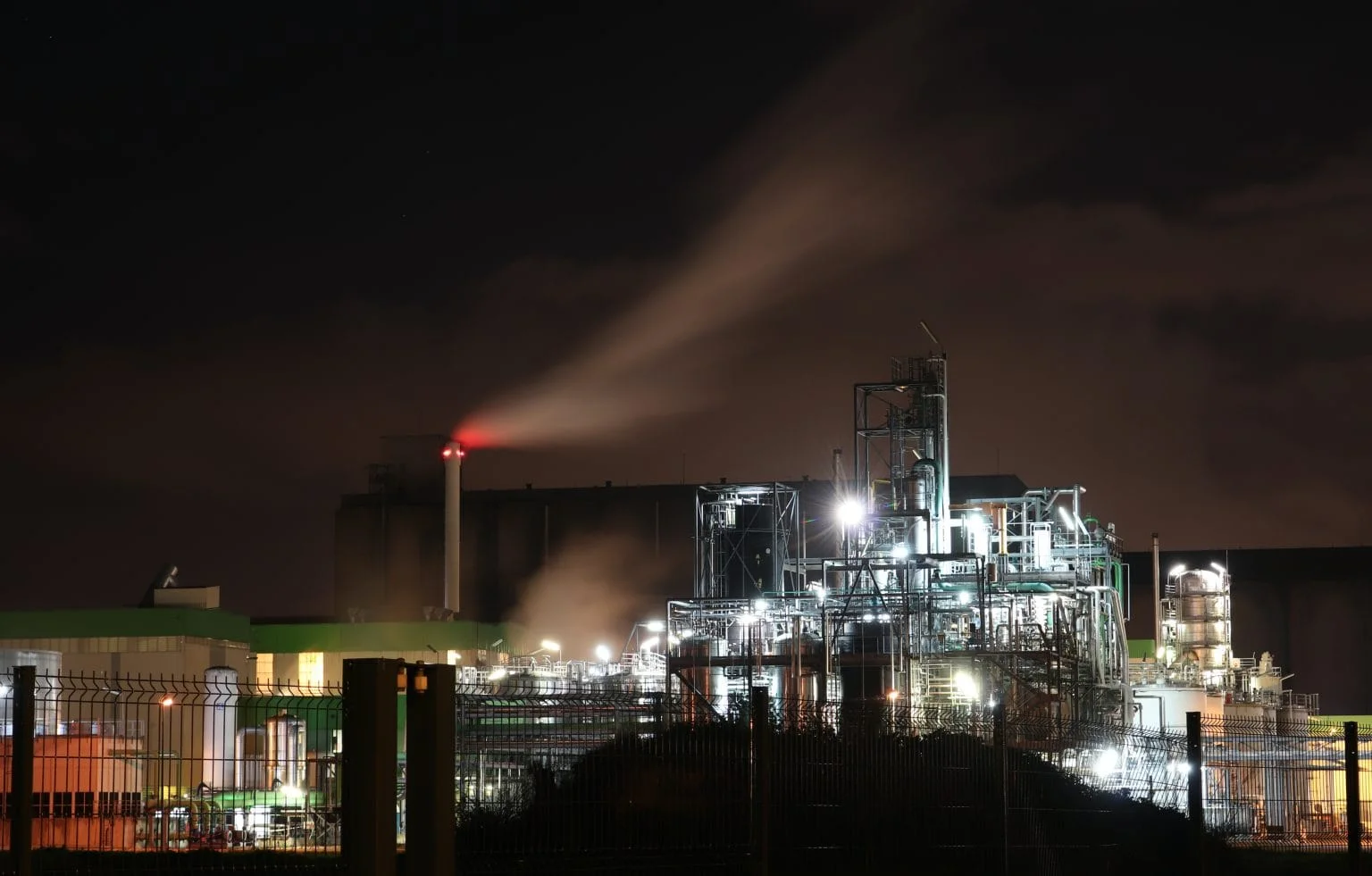
The chemical industry uses nondestructive testing (NDT) techniques to ensure the safety, reliability, and performance of its products and operations. Chemical NDT is the application of NDT methods and techniques in the chemical industry, to inspect and evaluate the structural integrity, serviceability, and quality of chemical components, materials, and systems.
Chemical NDT plays a critical role in the design, manufacture, maintenance, and repair of chemical components and systems, including pipelines, tanks, vessels, and other systems. Chemical NDT is used to detect and diagnose defects, flaws, and other imperfections that can affect the safety, performance, and durability of chemical components and systems.
Chemical NDT typically involves the use of advanced and specialized NDT methods and techniques, such as radiographic testing, ultrasonic testing, eddy current testing, magnetic particle testing, and liquid penetrant testing. These methods and techniques allow chemical NDT technicians to inspect and evaluate the internal and external surfaces, structures, and properties of chemical components and systems, without causing any damage or disruption to their function and operation.
Chemical NDT is performed by qualified and certified NDT technicians, who have the skills, knowledge, and experience to apply the appropriate NDT methods and techniques, and to interpret and evaluate the results of the NDT inspections. Chemical NDT technicians typically work in chemical manufacturing and maintenance facilities, and are responsible for ensuring the quality, reliability, and safety of chemical products and systems.
Chemical NDT is regulated by national and international standards and guidelines, such as the American Society for Nondestructive Testing (ASNT) and the European Committee for Standardization (CEN). These standards and guidelines provide requirements and guidance for the application, performance, and evaluation of chemical NDT, and are used to ensure the consistency, reliability, and validity of chemical NDT inspections and results.
-
The chemical sector is an important industry that involves the production, processing, and distribution of chemicals and chemical products. The chemical sector plays a crucial role in the global economy, as chemicals are used in a wide range of products, including pharmaceuticals, plastics, fertilizers, paints, dyes, and other materials.
The chemical sector is a diverse and complex industry, with many different activities and operations, ranging from research and development to manufacturing and distribution. The chemical sector is also a capital-intensive and technology-driven industry, with a high demand for advanced equipment, materials, and services.
The chemical sector consists of several subsectors, including basic chemicals, specialty chemicals, and consumer chemicals. Basic chemicals are the building blocks of other chemicals, and include elements, compounds, and other substances that are used as raw materials in the production of other chemicals. Specialty chemicals are chemicals that are used in specific applications or industries, such as pharmaceuticals, electronics, and construction. Consumer chemicals are chemicals that are used in everyday products, such as cleaning products, personal care products, and food additives.
The chemical sector is subject to a range of economic, political, and environmental factors, which can affect the demand, supply, and price of chemicals and chemical products. The chemical sector is also subject to various regulations and standards, which are designed to ensure the safety, environmental protection, and sustainability of chemical operations.
The chemical sector employs a large and diverse workforce, with a wide range of skills, knowledge, and experience. The chemical sector is a major employer, providing jobs and opportunities for people in many different fields, including chemistry, engineering, science, technology, and business.
Overall, the chemical sector is a crucial and dynamic industry, which plays a vital role in the global economy, and provides essential materials and products for many different industries and activities.
-
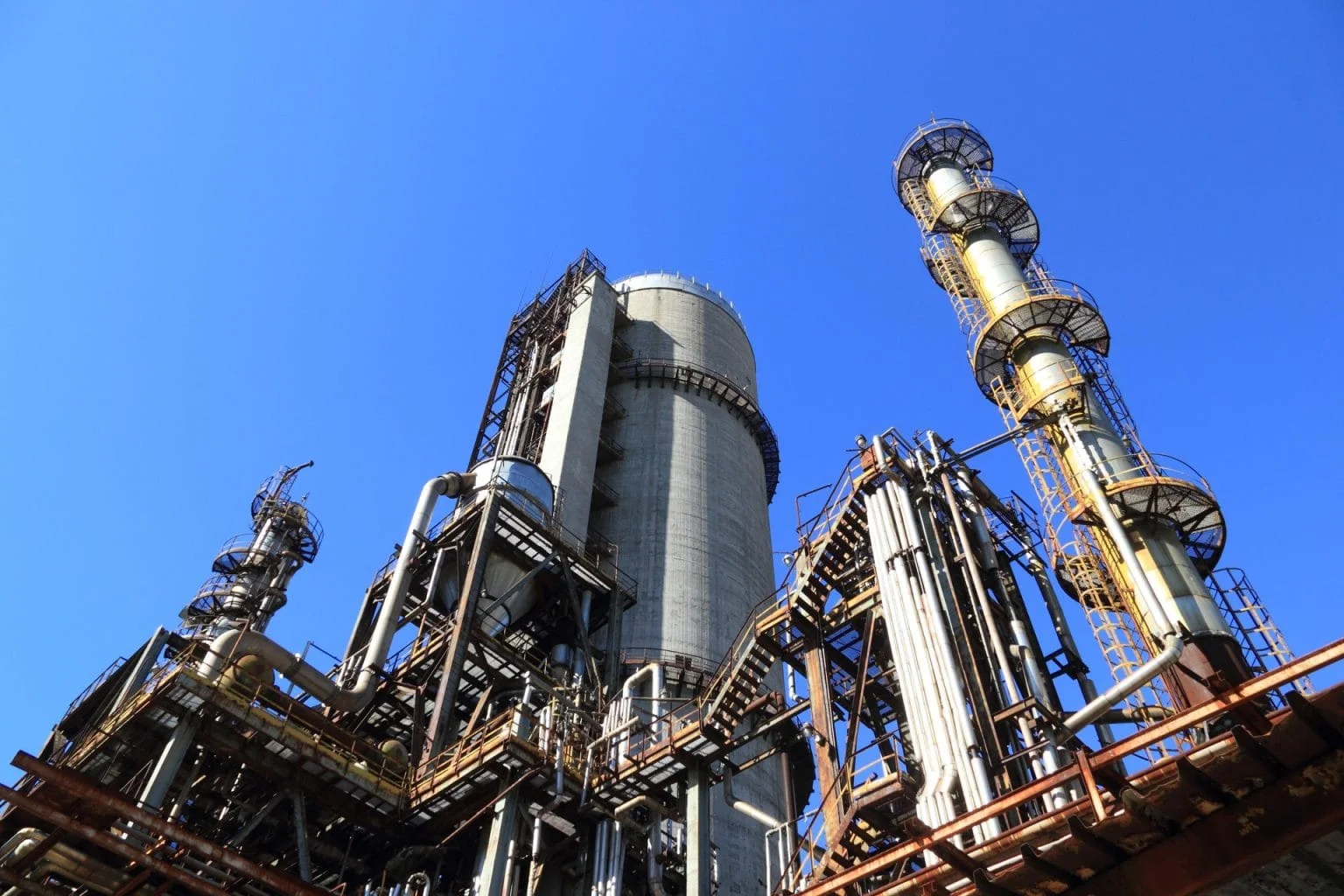
The oil and gas industry uses nondestructive testing (NDT) techniques to ensure the safety, reliability, and performance of its products and operations. Oil and gas NDT is the application of NDT methods and techniques in the oil and gas industry, to inspect and evaluate the structural integrity, serviceability, and quality of oil and gas components, materials, and systems.
Oil and gas NDT plays a critical role in the design, manufacture, maintenance, and repair of oil and gas components and systems, including pipelines, tanks, vessels, and other systems. Oil and gas NDT is used to detect and diagnose defects, flaws, and other imperfections that can affect the safety, performance, and durability of oil and gas components and systems.
Oil and gas NDT typically involves the use of advanced and specialized NDT methods and techniques, such as radiographic testing, ultrasonic testing, eddy current testing, magnetic particle testing, and liquid penetrant testing. These methods and techniques allow oil and gas NDT technicians to inspect and evaluate the internal and external surfaces, structures, and properties of oil and gas components and systems, without causing any damage or disruption to their function and operation.
Oil and gas NDT is performed by qualified and certified NDT technicians, who have the skills, knowledge, and experience to apply the appropriate NDT methods and techniques, and to interpret and evaluate the results of the NDT inspections. Oil and gas NDT technicians typically work in oil and gas manufacturing and maintenance facilities, and are responsible for ensuring the quality, reliability, and safety of oil and gas products and systems.
Oil and gas NDT is regulated by national and international standards and guidelines, such as the American Society for Nondestructive Testing (ASNT) and the European Committee for Standardization (CEN). These standards and guidelines provide requirements and guidance for the application, performance, and evaluation of oil and gas NDT, and are used to ensure the consistency, reliability, and validity of oil and gas NDT inspections and results.
-
The oil and gas sector is a major industry that involves the exploration, extraction, processing, and transportation of oil and natural gas resources. The oil and gas sector plays a crucial role in the global economy, as oil and natural gas are essential sources of energy for various industries, including transportation, manufacturing, power generation, and heating.
The oil and gas sector is a complex and dynamic industry, with many different activities and operations, ranging from drilling and exploration to refining and distribution. The oil and gas sector is also a capital-intensive and technology-driven industry, with a high demand for advanced equipment, materials, and services.
The oil and gas sector consists of several subsectors, including upstream, midstream, and downstream operations. Upstream operations involve the exploration and extraction of oil and natural gas from the earth, using drilling and production techniques. Midstream operations involve the transportation, storage, and processing of oil and natural gas, using pipelines, tanks, and refineries. Downstream operations involve the refining, marketing, and distribution of oil and natural gas products, such as gasoline, diesel, jet fuel, and natural gas.
The oil and gas sector is subject to a range of economic, political, and environmental factors, which can affect the demand, supply, and price of oil and natural gas. The oil and gas sector is also subject to various regulations and standards, which are designed to ensure the safety, environmental protection, and sustainability of oil and gas operations.
The oil and gas sector employs a large and diverse workforce, with a wide range of skills, knowledge, and experience. The oil and gas sector is a major employer, providing jobs and opportunities for people in many different fields, including engineering, geology, science, technology, and business.
Overall, the oil and gas sector is a crucial and dynamic industry, which plays a vital role in the global economy, and provides essential energy resources for many different industries and activities.
-
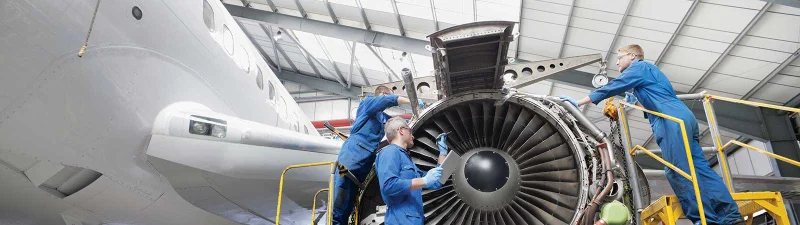
The aerospace industry is one of the major sectors that uses nondestructive testing (NDT) techniques to ensure the safety, reliability, and performance of its products. Aerospace NDT is the application of NDT methods and techniques in the aerospace industry, to inspect and evaluate the structural integrity, serviceability, and quality of aerospace components, materials, and systems.
Aerospace NDT plays a critical role in the design, manufacture, maintenance, and repair of aerospace components and systems, including aircraft, spacecraft, satellites, engines, and other systems. Aerospace NDT is used to detect and diagnose defects, flaws, and other imperfections that can affect the safety, performance, and durability of aerospace components and systems.
Aerospace NDT typically involves the use of advanced and specialized NDT methods and techniques, such as radiographic testing, ultrasonic testing, eddy current testing, magnetic particle testing, and liquid penetrant testing. These methods and techniques allow aerospace NDT technicians to inspect and evaluate the internal and external surfaces, structures, and properties of aerospace components and systems, without causing any damage or disruption to their function and operation.
Aerospace NDT is performed by qualified and certified NDT technicians, who have the skills, knowledge, and experience to apply the appropriate NDT methods and techniques, and to interpret and evaluate the results of the NDT inspections. Aerospace NDT technicians typically work in aerospace manufacturing and maintenance facilities, and are responsible for ensuring the quality, reliability, and safety of aerospace products and systems.
Aerospace NDT is regulated by national and international standards and guidelines, such as the American Society for Nondestructive Testing (ASNT) and the European Committee for Standardization (CEN). These standards and guidelines provide requirements and guidance for the application, performance, and evaluation of aerospace NDT, and are used to ensure the consistency, reliability, and validity of aerospace NDT inspections and results.
-
Some common types of weld defects:
- Incomplete fusion
- Incomplete penetration
- Porosity
- Slag inclusion
- Lack of sidewall fusion
- Undercut
- Overlap
- Cold lap
- Hot lap
- Inadequate reinforcement
- Lack of fusion at the root
- Excessive penetration
- Cracks
- Distortion
- Warping
- Buckling
- Shrinkage
- Spatter
- Blisters
- Burn-through
- Tungsten inclusions
- Solidification cracking
- Hydrogen cracking
- Stress corrosion cracking
- Fatigue cracking
- Creep
- Brittle fracture
- Ductile fracture
- Corrosion
- Erosion
- Cavitation
- Hydrogen damage
- Intergranular corrosion
- Erosion-corrosion
- Galvanic corrosion
- Microbiologically influenced corrosion
- Environmental cracking
- Impact damage
- Chemical attack
- Deformation
- Dimensional inaccuracies
- Misalignment
- Misorientation
- Poor fit-up
- Poor profile
- Inconsistent weld size
- Inconsistent weld shape
- Inconsistent weld spacing
- Inconsistent weld penetration
- Inconsistent weld reinforcement
- Inconsistent weld finish
- Inconsistent weld quality.
👍2 -
Weld defects are imperfections or flaws that can occur in welded joints, which can affect the strength, integrity, and performance of the welded structure. Weld defects can be caused by a variety of factors, including poor design, inadequate preparation, incorrect welding techniques, and inadequate inspection and testing. Some of the common types of weld defects include:
Incomplete fusion: This is a defect where the weld metal does not fully penetrate or fuse with the base metal, and a gap or void is left between the weld and the base metal. Incomplete fusion can be caused by insufficient heat or penetration during welding, or by the presence of contaminants or oxides on the base metal.
Incomplete penetration: This is a defect where the weld metal does not fully penetrate the thickness of the base metal, and a lack of fusion is present at the back of the weld. Incomplete penetration can be caused by inadequate welding current or voltage, or by incorrect welding parameters or techniques.
Porosity: This is a defect where small voids or bubbles are present in the weld metal, which can weaken the weld and reduce its strength and ductility. Porosity can be caused by the presence of air, moisture, or gas in the weld metal, or by inadequate preheat or interpass temperature.
Slag inclusion: This is a defect where slag, which is a non-metallic material that forms during welding, is trapped in the weld metal or the weld joint. Slag inclusion can be caused by inadequate cleaning or chipping of the weld, or by incorrect welding techniques or procedures.
Lack of sidewall fusion: This is a defect where the weld metal does not fully fuse with the base metal along the sides of the weld, and a lack of fusion is present in the weld joint. Lack of sidewall fusion can be caused by inadequate heat input, or by incorrect welding techniques or procedures.
Undercut: This is a defect where the weld metal is not properly supported by the base metal, and a groove or depression is formed along the edge of the weld. Undercut can be caused by excessive heat input, or by incorrect welding techniques or procedures.
Overlap: This is a defect where the weld metal extends beyond the edge of the base metal, and an excess of weld metal is present in the weld joint. Overlap can be caused by inadequate joint preparation or fit-up, or by incorrect welding techniques or procedures.
👍2 -
ASME B31.3, also known as the "Process Piping Code," is a technical standard and code of practice published by the American Society of Mechanical Engineers (ASME) that provides requirements and guidelines for the design, fabrication, installation, inspection, and testing of process piping systems. Process piping systems are used to transport fluids, gases, and other materials in various industries, such as chemical, petrochemical, oil and gas, and power generation.
ASME B31.3 is one of the most widely used codes for process piping, and is recognized and adopted by many national and international organizations, including the American National Standards Institute (ANSI) and the International Organization for Standardization (ISO). ASME B31.3 is regularly updated and revised to reflect the latest developments and best practices in the field of process piping, and is available in print and electronic formats.
ASME B31.3 consists of several sections and appendices, which cover various aspects of process piping design, fabrication, installation, inspection, and testing. Some of the key sections and appendices of ASME B31.3 include:
Section A: General Requirements: Provides general requirements and definitions that apply to the design, fabrication, installation, inspection, and testing of process piping systems. This section defines important terms and concepts, such as process piping, design basis, material specification, and hydrostatic testing.
Section B: Materials: Specifies the materials and grades that are acceptable for use in process piping systems, and provides requirements for material identification, marking, and testing. This section includes tables of materials, their properties, and their allowable stresses, as well as requirements for material traceability and testing.
Section C: Design: Provides requirements and guidelines for the design of process piping systems, including pipe sizing, pressure and temperature ratings, material selection, stress analysis, and joint design. This section covers the design of process piping systems, including the determination of pipe size, pressure and temperature ratings, and material selection, as well as the calculation of pipe wall thickness and joint design.
Section D: Fabrication: Specifies the requirements and procedures for the fabrication of process piping systems, including cutting, bending, welding, nondestructive testing (NDT), and hydrostatic testing. This section covers the fabrication of process piping systems, including the cutting, bending, and welding of pipe and fittings,
-
There are many different NDT methods that can be used to evaluate the properties of materials and components without causing damage or destruction. Some of the most commonly used NDT methods include:
Visual inspection: Uses the human eye, along with specialized lighting and inspection aids, to examine the surface of a material or component for defects or inconsistencies.
Ultrasonic testing: Uses high-frequency sound waves to detect and evaluate defects or inconsistencies in materials or components.
Radiographic testing: Uses X-rays or gamma rays to create images of the internal structure of a material or component, and to detect and evaluate defects or inconsistencies.
Magnetic particle testing: Uses magnetic fields and fine iron particles to detect and evaluate surface or subsurface defects in ferromagnetic materials.
Liquid penetrant testing: Uses a liquid penetrant to highlight surface defects in materials or components, and is typically used in conjunction with visual inspection.
Eddy current testing: Uses electromagnetic fields to detect and evaluate surface or subsurface defects in conductive materials.
Thermal or infrared testing: Uses temperature measurements to detect and evaluate surface or subsurface defects in materials or components.
Acoustic emission testing: Uses sensors to detect and locate sources of acoustic emissions, which can be used to evaluate the integrity of materials or components.
Leak testing: Uses various methods, such as pressure testing, vacuum testing, or tracer gas testing, to detect and locate leaks in materials or components.
Vibration analysis: Uses sensors to measure and analyze the vibrations of materials or components, and is used to detect and diagnose problems or defects.