



NDT Community News Feed
Latest NDT & inspection industry news, jobs and community updates
Live updates from the NDT Inspect community: new NDT job vacancies, product launches from the virtual exhibition, forum discussions and member activity across ultrasonic, radiographic, phased array and every other inspection method. Join free to post and follow.
Sign in to post updates and join the conversation.
-
 Madhav and NDT-Vacancies are now connected3 years ago
 -
 mafenorichies and NDT-Vacancies are now connected3 years ago
 -
 NDT-Vacancies Hiring posted a new job.3 years ago
 -
 Ndt-Blog posted a new post.3 years ago
Corrosion mapping is an essential practice for ensuring the structural integrity of industrial assets like pipelines and tanks. While traditional methods often necessitate the removal of surface coatings, the […]
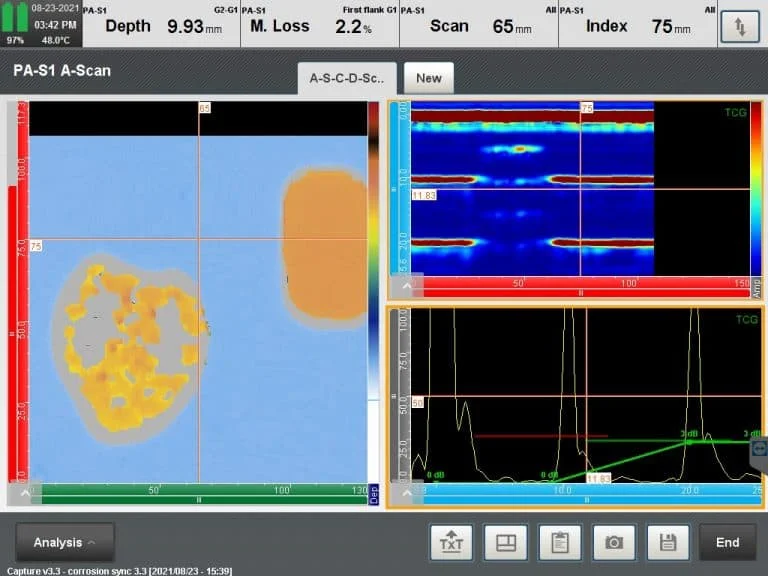
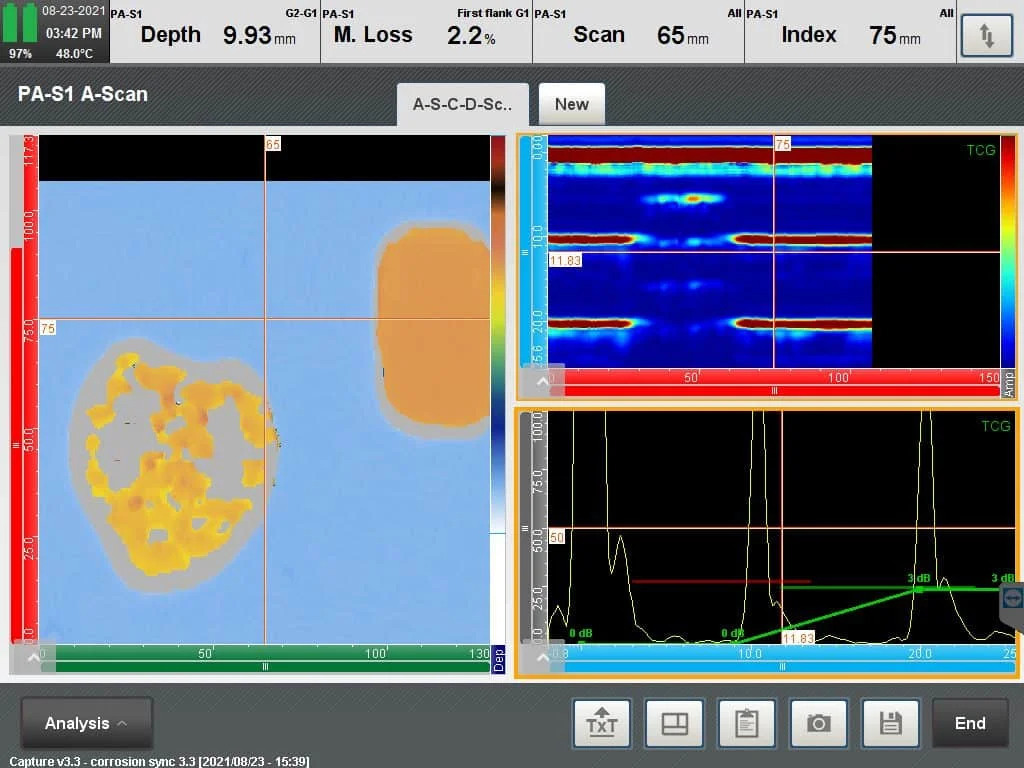 Navigating the Complexities of PAUT Corrosion Mapping on Materials Coated with Lead-Based PaintCorrosion mapping is an essential practice for ensuring the structural integrity of industrial assets like pipelines and tanks. While traditional methods…
-
 rehanul-haque posted a new resume.3 years ago
 -
Ndt-Blog posted a new post.3 years ago
In the realm of Non-Destructive Testing (NDT), Phased Array Ultrasonics has emerged as a groundbreaking technology. It offers unparalleled advantages in evaluating the structural integrity of materials, […]
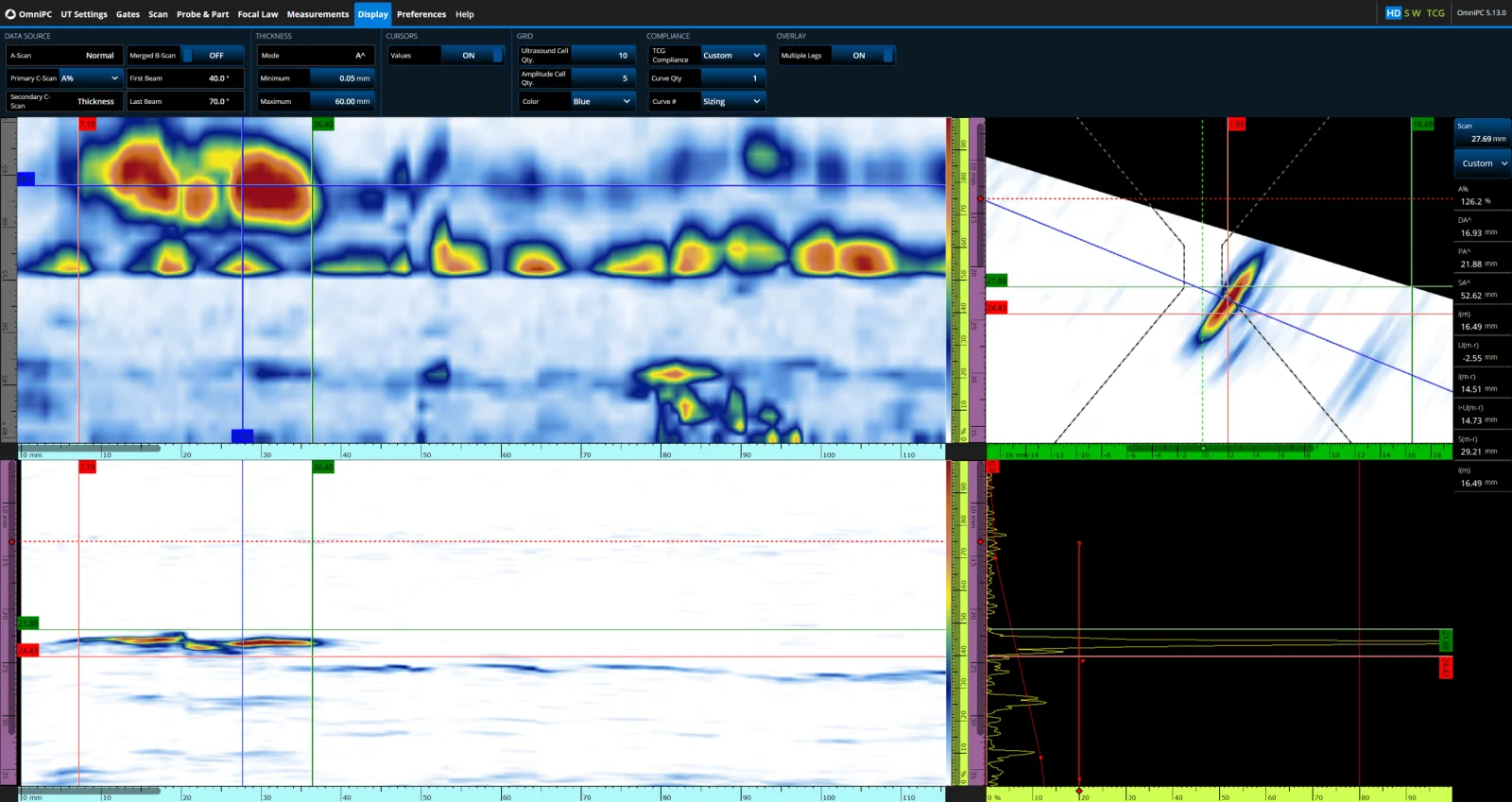 The Ultimate Guide to Phased Array Ultrasonic Scanning of Pipe WeldsIn the realm of Non-Destructive Testing (NDT), Phased Array Ultrasonics has emerged as a groundbreaking technology. It offers unparalleled advantages in…
-
Ndt-Blog posted a new post.3 years agoNavigating the World of NDT Certification and Training: A Comprehensive GuideNon-Destructive Testing (NDT) is a multifaceted field that requires a blend of theoretical knowledge and practical skills. Professionals in this industry must…
Non-Destructive Testing (NDT) is a multifaceted field that requires a blend of theoretical knowledge and practical skills. Professionals in this industry must undergo rigorous training and certification to ensure […]

-
 uhayat87hotmail-com posted a new resume.3 years ago
 -
 katta-swapna and NDT-Inspect are now connected3 years ago
 -
 andts and NDT-Level-III-Services are now connected3 years ago
 -
andts and NDT-Inspect are now connected3 years ago
-
 laljith-m posted a new resume.3 years ago
 -
 laxjawalegmail-com posted a new resume.3 years ago
 -
 3 years ago
In-service inspections (ISI) in the nuclear sector are crucial for maintaining the safety, integrity, and efficiency of the facility. During ISI, various equipment and components are tested to ensure they are functioning correctly and to identify any signs of wear, degradation, or damage. Here's a detailed look at the equipment that is typically tested during in-service inspections and the reasons why:
Reactor Pressure Vessels (RPVs):
- Why: To detect cracks, corrosion, or other defects that could lead to failure under pressure.
- Methods: Ultrasonic Testing (UT), Radiographic Testing (RT), Magnetic Particle Inspection (MPI).
Steam Generators and Heat Exchangers:
- Why: To identify tube wear, cracking, or corrosion that could affect heat transfer efficiency.
- Methods: Eddy Current Testing (ECT), Visual Inspection (VI).
Piping Systems and Valves:
- Why: To detect leaks, corrosion, erosion, or mechanical damage that could lead to loss of containment.
- Methods: Ultrasonic Testing (UT), Acoustic Emission Testing (AET), Leak Testing.
Turbines and Generators:
- Why: To assess wear, misalignment, vibration, or other mechanical issues that could reduce efficiency or lead to failure.
- Methods: Vibration Analysis, Visual Inspection (VI), Thermographic Inspection.
Cooling Towers and Condensers:
- Why: To identify scaling, fouling, or corrosion that could affect cooling efficiency.
- Methods: Visual Inspection (VI), Eddy Current Testing (ECT).
Containment Structures:
- Why: To ensure structural integrity and the ability to contain radioactive materials in the event of an accident.
- Methods: Visual Inspection (VI), Ultrasonic Testing (UT), Radiographic Testing (RT).
Fuel Assemblies and Control Rods:
- Why: To assess physical condition, alignment, and potential defects that could affect reactor control.
- Methods: Visual Inspection (VI), Gamma Scanning.
Electrical Systems and Switchgear:
- Why: To detect overheating, insulation breakdown, or other electrical faults that could lead to failure or fire.
- Methods: Thermographic Inspection, Electrical Testing.
Emergency Systems and Safety Equipment:
- Why: To ensure readiness and proper functioning in the event of an emergency.
- Methods: Functional Testing, Visual Inspection (VI).
Waste Storage and Handling Equipment:
- Why: To prevent leaks, spills, or other failures that could lead to environmental contamination.
- Methods: Leak Testing, Visual Inspection (VI).
- Environmental Monitoring Equipment:
- Why: To ensure accurate monitoring of radiation levels, air quality, and other environmental factors.
- Methods: Calibration and Functional Testing.
- Cranes and Lifting Equipment:
- Why: To prevent mechanical failure during the handling of heavy or hazardous materials.
- Methods: Load Testing, Visual Inspection (VI).
In conclusion, in-service inspections in the nuclear sector encompass a wide range of equipment and components, each with specific functions and potential failure modes. Regular testing and monitoring through various NDT methods enable early detection of issues, compliance with regulatory standards, and assurance of safe and efficient operation. By understanding the condition of these critical assets, nuclear facilities can implement timely maintenance, repairs, or replacements, minimizing risks and maximizing performance.
Hope that helps 🙂
-
 yashvanthan posted a new resume.3 years ago
 -
 saif posted a new resume.3 years ago
 -
NDT-Inspect posted an update in the group Phased Array Ultrasonics (PAUT)3 years ago
Phased Array Ultrasonics: A Comprehensive InsightIntroduction
Phased Array Ultrasonics (PA) is a cutting-edge technology that has transformed the way we approach ultrasonic testing. Utilized in various fields, from medical diagnostics to industrial inspections, PA offers a versatile and efficient method for examining structures and detecting flaws. This article delves into the principles, applications, advantages, challenges, and future prospects of Phased Array Ultrasonics.
Section I: Principles of Phased Array Ultrasonics1.1 Basic ConceptPhased Array Ultrasonics operates on the principle of wave physics. It involves the use of multiple small ultrasonic transducers, each capable of being pulsed independently. By controlling the timing of these pulses, a focused and steerable ultrasonic beam is created.
1.2 Beam Steering and FocusingThe beam's direction and focus can be electronically controlled by adjusting the time delays between the pulses. This allows for precise targeting and sweeping of the beam across the object being examined.
1.3 Image FormationThe data from multiple beams are combined to create a visual image, showing a slice through the object. This imaging capability enhances the understanding and interpretation of the underlying structures.
Section II: Applications of Phased Array Ultrasonics2.1 Medical Imaging- Heart Examination: Noninvasive examination of the heart's structure and function.
- Ultrasound Imaging: Used in various medical diagnostics, including prenatal care.
- Construction: Ensuring structural integrity.
- Pipelines: Inspection of welds and detection of flaws.
- Power Generation: Quality control in power plants.
- Corrosion Inspection: Wall thickness measurements and corrosion detection.
The ability to electronically steer and focus the beam provides unparalleled precision and flexibility in examination.
3.2 EfficiencyPA's controllable parameters make it highly efficient in detecting defects, speeding up the testing process.
3.3 Enhanced VisualizationThe visual imaging capability offers a clear understanding of the underlying structures, aiding in accurate interpretation.
3.4 VersatilityIts applications span across various sectors, making it a versatile tool for different testing needs.
Section IV: Challenges and Limitations4.1 ComplexityPA instruments are more complex compared to conventional methods, requiring specialized training and experience.
4.2 CostThe complexity of the technology translates to higher costs, making it a significant investment.
4.3 Technological LimitationsCertain limitations in beam control and imaging resolution may affect the accuracy in specific applications.
Section V: Future Prospects and ConclusionPhased Array Ultrasonics is poised for further growth and innovation. With ongoing research and technological advancements, the future holds promising prospects for enhanced capabilities and broader applications.
The integration of artificial intelligence and machine learning may further refine the precision and efficiency of PA, opening new horizons in ultrasonic testing.
In conclusion, Phased Array Ultrasonics stands as a testament to the power of innovation in modern testing and imaging. Its principles, applications, and advantages make it a valuable asset in quality control and diagnostics. While challenges exist, the continuous pursuit of excellence ensures that PA remains at the forefront of technological advancement.
-
NDT-Inspect posted a new post.3 years ago
1. Introduction to Non-Destructive Testing (NDT) Non-Destructive Testing (NDT) is a vital field that ensures the safety and integrity of materials and structures across various industries. From aerospace to […]
 Future of Non-Destructive Testing: A Comprehensive Insight into NDT Technologies, Careers, and Community Engagement1. Introduction to Non-Destructive Testing (NDT) Non-Destructive Testing (NDT) is a vital field that ensures the safety and integrity of materials and…
-
 arif-khan posted a new resume.3 years ago
 -
 sofiahnorsalim posted a new resume.3 years ago
 -
andts posted a new job.3 years ago
-
 ashkar-v-p posted a new resume.3 years ago
 -
NDT-Inspect posted an update3 years ago
Navigating Your NDT Career: Opportunities, Challenges, and Growth
The field of Non-Destructive Testing (NDT) is ever-evolving, offering a plethora of opportunities for both newcomers and seasoned professionals. Whether you are just starting your NDT career or looking to take the next big step, the Jobs and Career Discussion group at NDT Inspect is your go-to hub for insights, advice, and connections.
1. Opportunities in NDT: A Growing FieldThe NDT industry is witnessing unprecedented growth, driven by technological advancements and increased demand across various sectors such as aerospace, construction, and energy. Here's what you need to know:
- Job Roles: From NDT Technicians to Quality Assurance Managers, the field offers diverse roles to suit different skill sets.
- Certifications: Acquiring relevant certifications can boost your employability and earning potential.
- Networking: Connecting with fellow professionals can open doors to unadvertised positions and collaborations.
Like any profession, the NDT field comes with its unique set of challenges:
- Keeping Up with Technology: Continuous learning is key to staying abreast of the latest tools and techniques.
- Work-Life Balance: Finding the right balance between demanding projects and personal life can be a challenge but is essential for long-term success.
Your growth in the NDT field depends on continuous learning, networking, and strategic career planning:
- Mentorship: Seek guidance from experienced professionals within the NDT Inspect community.
- Professional Development: Attend workshops, conferences, and online courses to enhance your skills.
- Career Planning: Set clear goals and create a roadmap to achieve them, leveraging resources available in the Jobs and Career Discussion group.
Your NDT career is a journey filled with opportunities, challenges, and endless possibilities for growth. Join the Jobs and Career Discussion group at NDT Inspect to connect with like-minded professionals, share experiences, and navigate your career path with confidence.
-
 umarashraf posted a new resume.3 years ago👍1
 -
NDT-Inspect posted a new post.3 years ago
Non-Destructive Testing (NDT) plays a pivotal role in ensuring the safety and integrity of materials and structures across various industries. From aerospace to construction, NDT methods provide invaluable […]
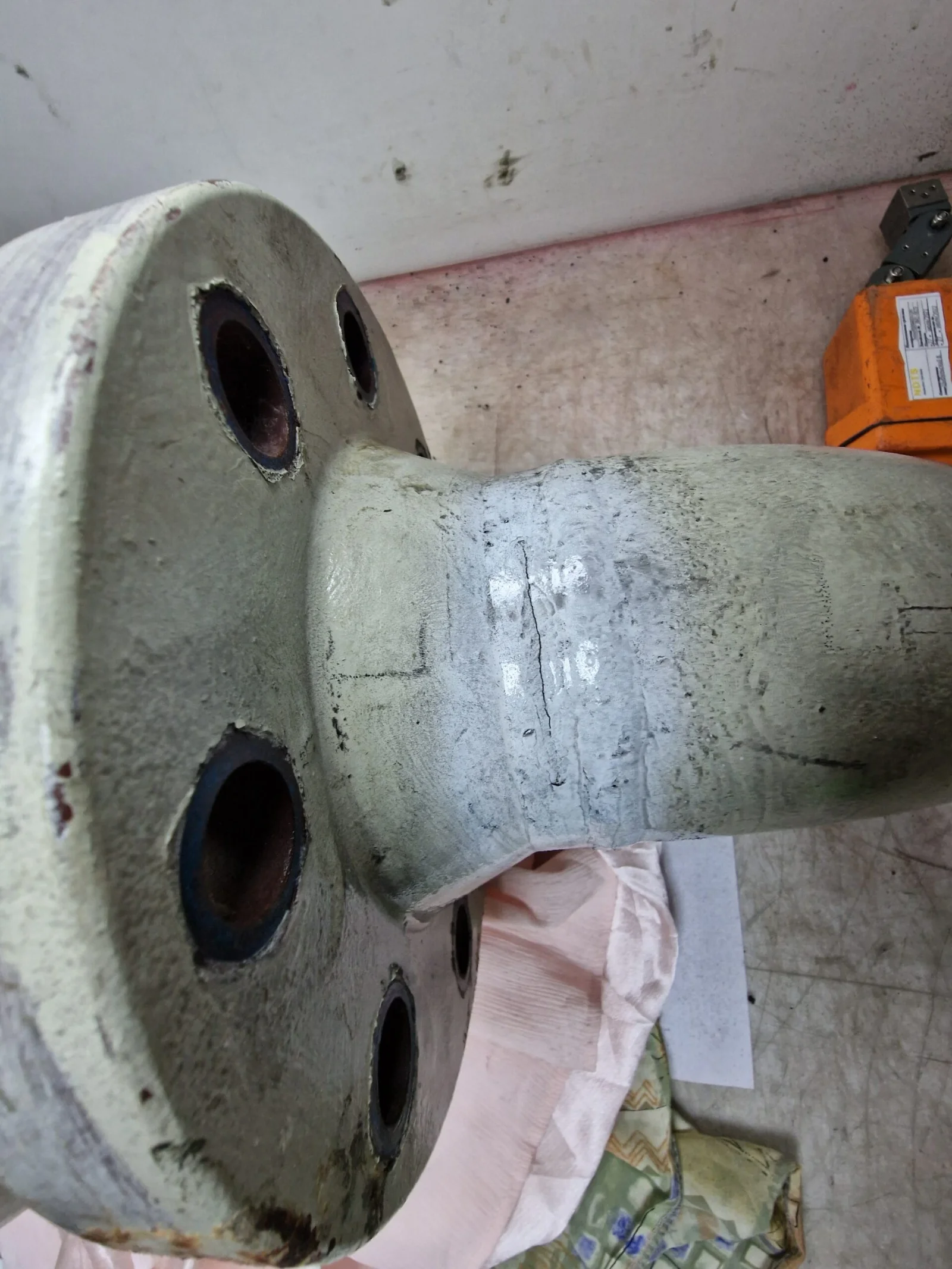 Exploring the Landscape of Non-Destructive Testing: A Comprehensive Guide to NDT MethodsNon-Destructive Testing (NDT) plays a pivotal role in ensuring the safety and integrity of materials and structures across various industries. From aerospace…