

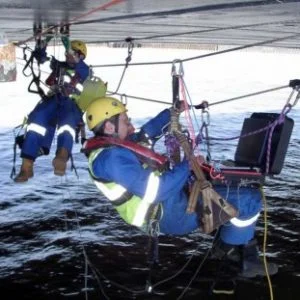
Welcome to NDT Inspect's time of flight diffraction (ToFD) group, a place for professionals to connect and discuss the latest techniques and technologies in time of flight diffraction inspection.
ToFD is a non-destructive testing method that uses ultrasonic waves to inspect the condition of components such as pipelines, tanks, and pressure vessels. It is a specialized form of ultrasonic inspection that involves the use of specialized probes to transmit and receive ultrasonic waves, which are then analyzed to detect flaws, defects, or other abnormalities within the component. Our member group offers a platform for sharing knowledge and best practices on ToFD and its applications in various industries. Join our community of experts from around the world and be a part of the conversation on advancing the practice of time of flight diffraction inspection.
Updates
-
 NDT-Inspect started the discussion Lateral wave removal ToFD in the forum Time of Flight Diffraction3 years ago
In ToFD (Time of Flight Diffraction), lateral wave removal is a technique used to eliminate or reduce the effects of lateral waves on the ultrasonic signals used to detect and size defects in materials. Lateral waves are waves that travel parallel to the surface of the material being tested, and can interfere with the measurements and calculations used in ToFD.
To remove or reduce the effects of lateral waves, special filters and algorithms are used to process the ultrasonic signals and eliminate the components that are due to lateral waves. This can improve the accuracy and reliability of the ToFD measurements and calculations, and make it easier to detect and size defects in the material.
Lateral wave removal is an important aspect of ToFD, and requires specialized knowledge and expertise to perform effectively.
-
NDT-Inspect posted an update in the group Time of Flight Diffraction (ToFD)3 years ago
To calculate the size and location of defects in a weld using ToFD, the following steps are typically performed:
- The distance between the transducers (d) and the angle of incidence (θ) are measured.
- The time it takes for the ultrasonic pulse to travel between the transducers and reflect off a flaw is measured (t).
- The velocity of the ultrasonic wave in the material is determined (v).
- The size of the defect is calculated using the following formula:
Size of defect = (d * t * sin(θ)) / (2 * v)
- The location of the defect is determined by measuring the time delay between the transmitted pulse and the reflected signal.
-
NDT-Inspect posted an update in the group Time of Flight Diffraction (ToFD)3 years ago
ToFD (Time of Flight Diffraction) is a type of non-destructive testing (NDT) that is used to detect and size defects in welds. ToFD uses ultrasonic waves to inspect the weld and determine the presence and size of any defects, without causing any damage to the material.
ToFD is based on the principle of time of flight diffraction, which states that the time it takes for a sound wave to travel between two points is affected by the presence of defects. ToFD uses two sets of transducers, one to transmit a pulse of ultrasonic energy and the other to receive the reflected signal. The time it takes for the sound wave to travel between the transducers and reflect off a flaw is measured and used to calculate the size and location of any defects in the weld.
ToFD is considered to be a highly accurate and reliable method for detecting and sizing defects in welds, and it is often used in the construction and maintenance of pipelines, pressure vessels, and other critical structures. ToFD inspection is also faster and more efficient than other NDT methods, such as radiography, because it allows the inspector to scan a larger area in a shorter amount of time.
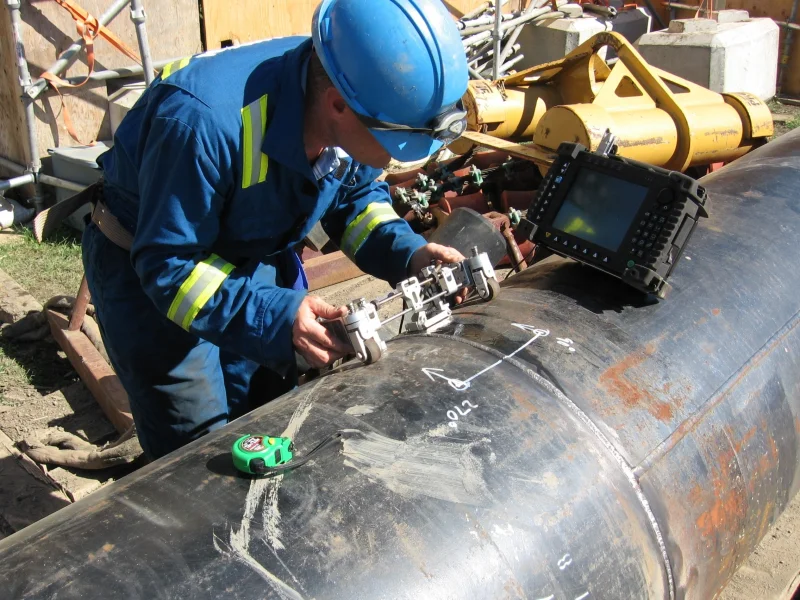
ToFD inspection is performed by trained and certified NDT technicians who use specialized equipment to generate and detect the ultrasonic waves. The equipment consists of a control unit, a pulser/receiver, and a pair of transducers. The control unit is used to generate and control the ultrasonic pulses, while the pulser/receiver is used to amplify and measure the reflected signal. The transducers are used to generate and detect the ultrasonic waves, and they are typically mounted on a scanning device that allows them to be moved across the weld.
ToFD inspection is typically performed in two steps: setup and data acquisition. During the setup phase, the technician selects the appropriate parameters for the inspection, such as the type and frequency of the ultrasonic pulse, the angle of incidence, and the sensitivity of the receiver. The technician also positions the transducers and calibrates the equipment to ensure that it is properly set up for the inspection.
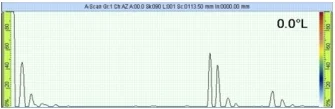
During the data acquisition phase, the technician uses the scanning device to move the transducers across the weld, while the control unit generates and receives the ultrasonic pulses. The reflected signal is then processed by the control unit and displayed on a screen, where the technician can analyze it to identify and size any defects in the weld.
ToFD inspection provides a number of advantages over other NDT methods. It is highly accurate and reliable, and it is capable of detecting and sizing small defects that may be missed by other methods. It is also faster and more efficient, allowing the technician to scan a larger area in a shorter amount of time. Additionally, ToFD inspection is non-destructive, meaning it does not cause any damage to the material being inspected. Overall, ToFD inspection is an important tool for ensuring the integrity and safety of welded structures.
-
NDT-Inspect posted an update in the group Time of Flight Diffraction (ToFD)3 years ago
ToFD, or time-of-flight diffraction, is a type of ultrasonic testing method used to detect and evaluate defects in materials. ToFD is an advanced form of ultrasonic testing that uses multiple transducers to generate and receive ultrasonic waves.
The time it takes for the ultrasonic waves to travel from the transmitting transducer to the receiving transducer is measured, and any changes in the time-of-flight, such as those caused by defects in the material, are detected and evaluated. ToFD is commonly used to inspect large or complex structures, such as bridges, pipelines, and pressure vessels, for defects that could affect their strength and performance.
-
 marat posted an update in the group Time of Flight Diffraction (ToFD)5 years ago
ToFD calibration
 👍2
👍2 -
 Kevlin posted an update in the group Time of Flight Diffraction (ToFD)5 years ago
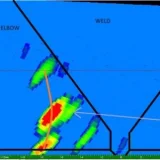
Weld cracking open to the surface. ToFD Inspection.
 👍4 2 comments
 -
Kevlin posted an update in the group Time of Flight Diffraction (ToFD)5 years ago
ToFD on 65mm wall thickness Carbon Steel pipe.
 👍1
👍1 -
 chris posted an update in the group Time of Flight Diffraction (ToFD)5 years ago
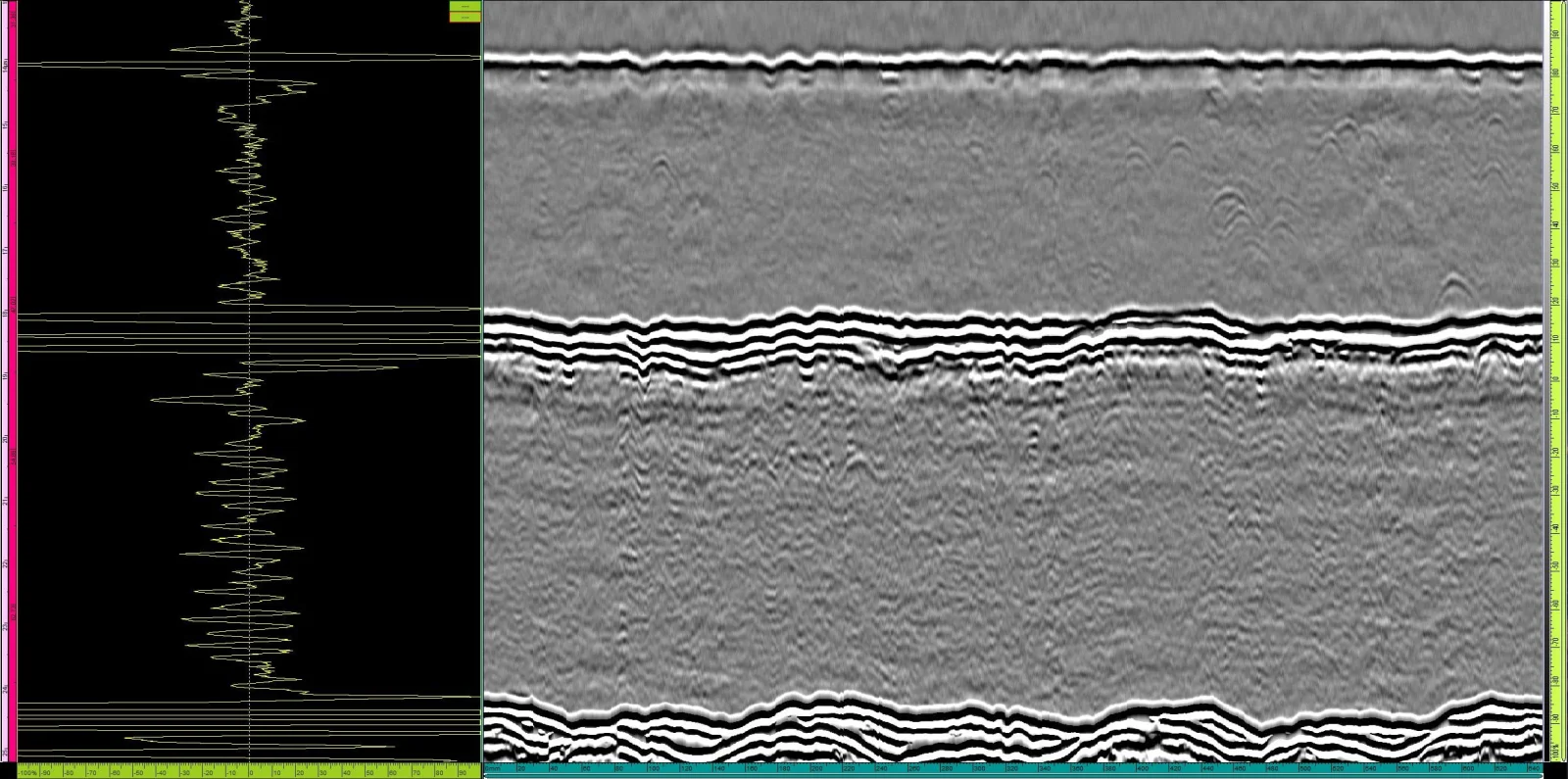
Can anybody spot defects?
-
 doug posted an update in the group Time of Flight Diffraction5 years ago
ToFD Presentation DR Tech
-
doug posted an update in the group Time of Flight Diffraction5 years ago
Time of flight diffraction (ToFD) Presentation
Discussions












😱
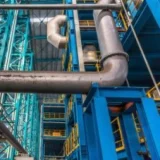
Yep. I guess it was a leak if in service pipe/ weld.