
Group deducated to Oil & Gas Sector.
Updates
-
 Nkey posted an update1 year ago
How is the growing adoption of solar power expected to shape the future of the oil and gas sector?
-
 jameswilson replied to a discussion1 year ago
Hi,
Implementing an effective Quality Management System (QMS) under API SPEC Q2 is crucial for improving quality control in your steel pipe manufacturing facility. Here’s where you can start:
- Conduct a Gap Analysis – Identify the gaps between your current processes and API SPEC Q2 requirements.
- Develop & Standardize Procedures – Establish clear protocols for risk assessment, supplier evaluation, non-conformance management, and corrective actions.
- Enhance Training & Awareness – Ensure all employees understand and follow API SPEC Q2 best practices.
- Implement Internal Audits – Regular audits will help monitor compliance and drive continuous improvement.
- Address Non-Conforming Products – A structured approach to handling defective products is critical to improving overall quality.
For practical guidance on managing non-conforming products in manufacturing, check out our blog:
👉 Read More HereIf you need expert consulting or auditing services for API SPEC Q2 implementation, feel free to reach out—we’d be happy to assist you!
Best regards,
James Wilson👍1 -
 popalexandra replied to a discussion2 years ago
Thanks for sharing.
Now I know what I have to look out for.
____________________________
Alexandra
👍3 -
 NDT-Inspect posted an update in the group Oil and Gas Sector3 years ago
Exploring the Challenges and Rewards of Working Offshore as an NDT Technician
/exploring-the-challenges-and-rewards-of-working-offshore-as-an-ndt-technician/
👍3 -
NDT-Inspect posted an update in the group Oil and Gas Sector3 years ago
Oil is a fossil fuel that is formed from the remains of plants and animals that lived millions of years ago. These organic materials were buried under layers of sediment and subjected to heat and pressure over time, causing them to transform into the hydrocarbons that make up oil. Oil is a non-renewable resource, meaning that it will eventually run out. However, there is still a significant amount of oil remaining in the Earth, and efforts are being made to find new sources and to use it more efficiently.
The first commercial oil well was drilled in Pennsylvania in 1859, leading to the development of the modern oil industry. Today, the top five oil-producing countries in the world are Russia, the United States, Saudi Arabia, Iraq, and Canada. The world's largest oil field is the Ghawar field in Saudi Arabia, which is estimated to contain more than 70 billion barrels of oil.
Oil is used to produce a wide range of products, including gasoline, diesel, jet fuel, plastics, and chemicals. The refining process of oil involves separating the different hydrocarbons found in the oil and converting them into more useful products. This process can produce a wide range of products, including gasoline, diesel, kerosene, and other fuels, as well as various chemicals and plastics.
The extraction and transportation of oil can have significant environmental impacts. The drilling and extraction process can release pollutants into the air and water, and the transportation of oil, particularly by pipeline or tanker, can pose risks of spills and leaks. The burning of oil for energy also releases greenhouse gases into the atmosphere, contributing to climate change. Efforts are being made to reduce the environmental impacts of the oil industry, including the development of more efficient and cleaner technologies, the use of renewable energy sources, and the implementation of regulations to control emissions.
Oil spills can also have significant environmental impacts. When oil is released into the environment, it can contaminate soil and water, harm wildlife, and disrupt ecosystems. Oil spills can occur during the extraction, transportation, or storage of oil, and can be caused by accidents, equipment failures, or natural disasters. Efforts are made to prevent and mitigate the effects of oil spills, including the use of cleanup technologies such as skimmers and absorbent materials.
The demand for oil is expected to continue to grow in the coming decades, particularly in developing countries as their economies expand and the number of vehicles on the road increases. However, there is also a growing awareness of the environmental impacts of oil and the need to transition to more sustainable energy sources. Alternative energy sources, such as renewable energy and electric vehicles, are being developed and implemented as a way to reduce the reliance on oil and to mitigate the environmental impacts of its extraction and use.
👍3 -
3 years ago
Separators are commonly used in oil and gas refineries to separate different components of a mixture, such as oil, water, and gas. There are several types of separators, including:
Oil-water separators: Oil-water separators are used to separate oil and water mixtures, such as produced water from oil and gas wells. These separators use a combination of gravity, sedimentation, and filtration to separate the oil and water, and the separated oil is typically collected and processed further.
Gas-liquid separators: Gas-liquid separators are used to separate gas and liquid mixtures, such as natural gas and water. These separators use a combination of gravity, centrifugal force, and coalescence to separate the gas and liquid, and the separated gas is typically collected and processed further.
Three-phase separators: Three-phase separators are used to separate mixtures of oil, water, and gas, such as those found in oil and gas wells. These separators use a combination of gravity, centrifugal force, and coalescence to separate the three phases, and the separated phases are typically collected and processed further.
Overall, separators work by using physical processes, such as gravity, sedimentation, and centrifugal force, to separate the different components of a mixture based on their densities and other physical properties. The separated components are then collected and processed further as needed.
👍1 -
NDT-Inspect started the discussion Several types of failures that can occur in oil and gas refineries in the forum Oil and Gas General group3 years ago
Corrosion: Corrosion is a common problem in refineries, as the harsh chemicals and high temperatures used in the refining process can attack the structural materials and cause them to deteriorate. This can lead to a variety of problems, including leaks, fires, and structural failure.
Mechanical failure: Mechanical failures can occur due to a variety of factors, including wear and tear, improper maintenance, and design flaws. These failures can range from small issues, such as valve leaks, to major incidents, such as explosions.
Process upsets: Process upsets can occur when the normal operating conditions of a refinery are disrupted, such as when equipment fails or raw materials are contaminated. These upsets can lead to a variety of problems, including reduced efficiency, increased emissions, and damage to equipment.
Human error: Human error is a common cause of failures in refineries, as the complex processes involved in refining require precise control and monitoring. Missteps or mistakes by operators or maintenance personnel can lead to accidents and incidents.
Overall, it is important for refineries to implement robust prevention and mitigation measures to reduce the risk of failures and ensure the safety and reliability of their operations.
-
3 years ago
The process of oil and gas extraction typically involves several steps, including exploration, drilling, well completion, production, and decommissioning.
Exploration: This is the first step in the process, where geologists and other experts use a variety of techniques to identify areas that are likely to contain oil and gas deposits. This can involve analyzing geological data, conducting seismic surveys, and drilling exploratory wells to collect samples and gather more information about the subsurface.
Drilling: Once a potential oil or gas deposit has been identified, the next step is to drill a well to reach the deposit. This typically involves using specialized equipment to bore a hole deep into the ground and then insert a pipe, or casing, into the hole to support the well and prevent it from collapsing.
Well completion: After the well has been drilled, the next step is to complete the well by installing the necessary equipment and infrastructure to enable oil or gas to be extracted from the well. This can include installing casing, pumps, valves, and other equipment to control the flow of oil or gas and bring it to the surface.
Production: Once the well is completed, the next step is to begin extracting oil or gas from the well. This typically involves using specialized equipment such as pumps and compressors to bring the oil or gas to the surface, where it can be collected and transported for further processing.
Decommissioning: When an oil or gas well is no longer productive, the final step is to decommission the well. This involves a series of steps to safely and permanently close the well, remove any remaining equipment and infrastructure, and restore the site to its original condition. This is an important step to protect the environment and ensure the safety of workers and the public.
👍1 -
NDT-Inspect started the discussion Largest oil and gas fields in the forum Oil and Gas General group3 years ago
Oil and gas fields are areas where oil and natural gas are extracted from the ground. These fields can vary in size, with some covering just a few acres while others span thousands of acres. The size of an oil and gas field is typically measured in terms of the amount of oil or natural gas produced, the number of wells or pipelines involved, or the size of the investment. Some of the largest oil and gas fields in the world include the following:
- The Ghawar Field in Saudi Arabia is the largest oil field in the world, with an estimated production capacity of 5 million barrels per day.
- The North Sea Brent oil and gas field is one of the largest in the world, with more than 1,000 wells and an estimated production of over 500,000 barrels of oil equivalent per day.
- The South Pars/North Dome gas field, located in the Persian Gulf, is the world's largest natural gas field, with an estimated production capacity of over 1 billion cubic feet per day.
- The Kashagan oil field, located in Kazakhstan, is one of the largest oil discoveries in recent years, with an estimated production capacity of over 1 million barrels per day.
- The Orinoco Belt, located in Venezuela, is one of the largest oil reserves in the world, with an estimated reserve of over 300 billion barrels of oil.
These are just a few examples of some of the largest oil and gas fields in the world. There are many others that are also significant in terms of their size and impact on the global energy market.
👍1 -
NDT-Inspect posted an update in the group Oil and Gas Sector3 years ago
Crude oil is extracted from the earth through a process known as drilling. A well is drilled into an oil-bearing formation, and a pipe, called a casing, is placed inside the well to prevent the hole from collapsing.
A drilling rig, which is a large, specialized piece of equipment, is used to turn the drill bit and create the hole. Once the well reaches the oil-bearing formation, the crude oil is pumped to the surface using a system of pumps and pipelines.
The oil is then transported to a refinery, where it is processed into more useful and valuable products, such as gasoline, diesel, and other petroleum products.
-
NDT-Inspect posted an update in the group Oil and Gas Sector3 years ago
How refinery work?
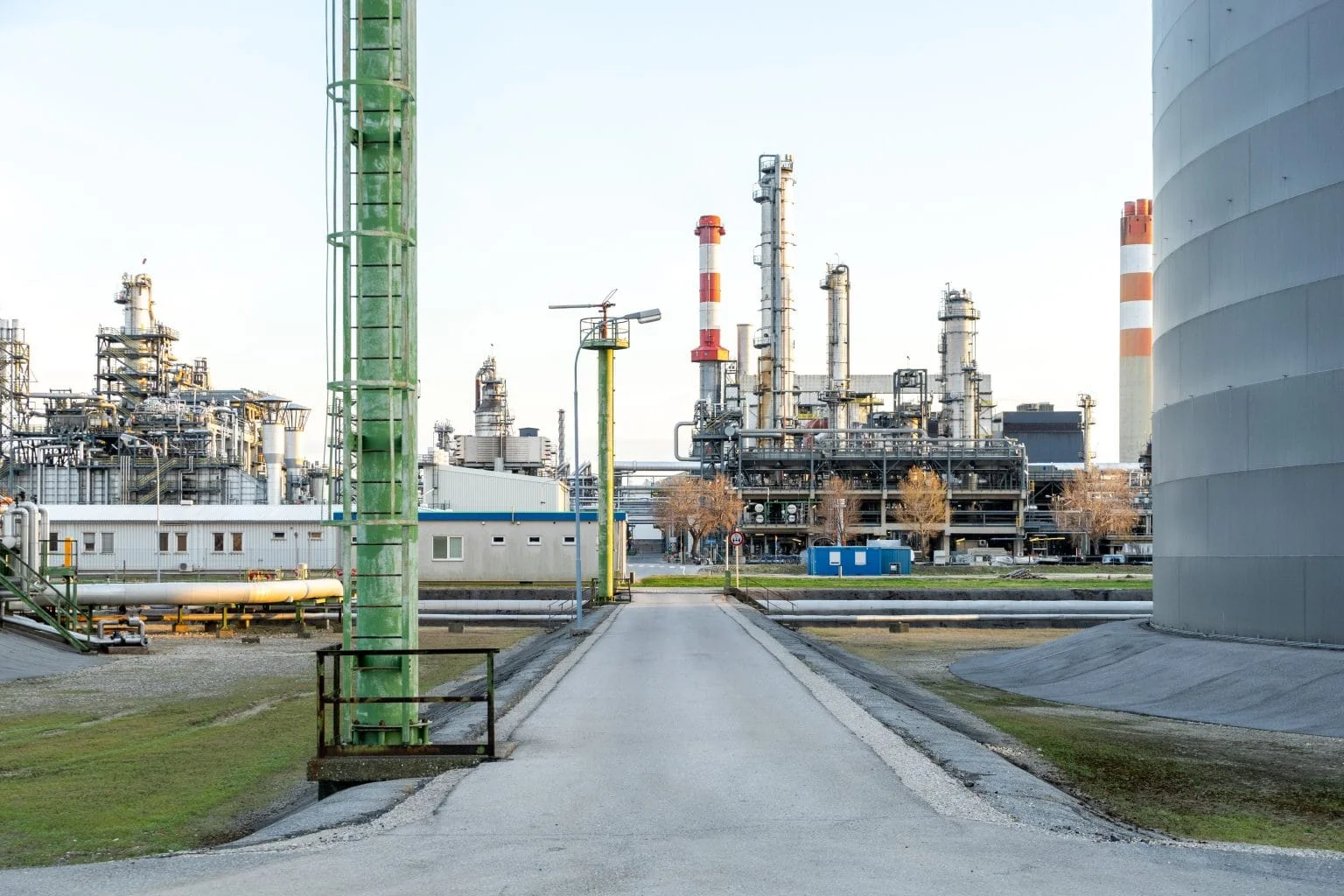
A refinery is a large industrial facility that is used to process raw materials, such as crude oil, into more useful and valuable products, such as gasoline, diesel, and other petroleum products. The process of refining involves several steps, including separating the different components of the raw material, treating and removing impurities, and converting the various components into finished products.
The specific processes used in a refinery depend on the type of raw material and the desired products, but most refineries follow a similar overall flow.
The raw material is first received and stored in tanks. It is then heated and treated to separate the different components, using techniques such as distillation, cracking, and refining. The separated components are then treated further to remove impurities and convert them into the desired products. The finished products are then stored, tested, and transported to market.
-
NDT-Inspect posted an update in the group Oil and Gas Sector3 years ago
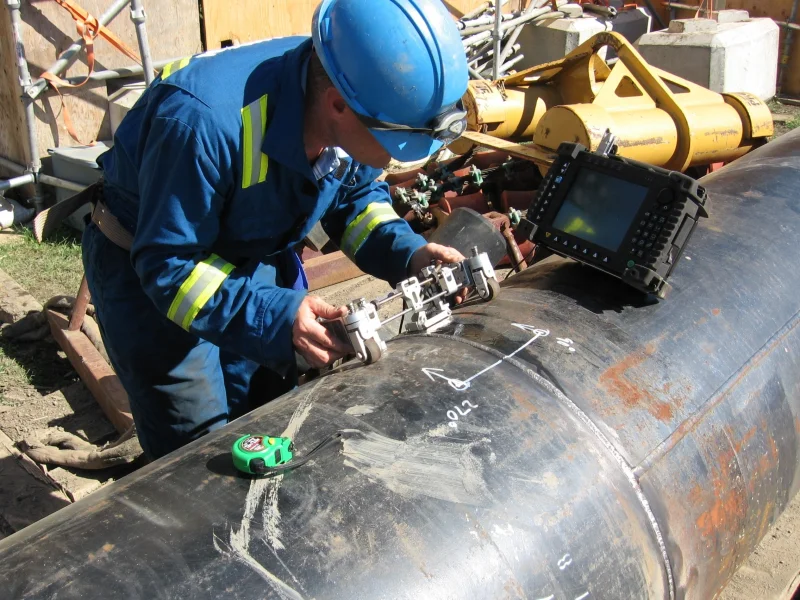
The oil and gas industry uses nondestructive testing (NDT) techniques to ensure the safety, reliability, and performance of its products and operations. Oil and gas NDT is the application of NDT methods and techniques in the oil and gas industry, to inspect and evaluate the structural integrity, serviceability, and quality of oil and gas components, materials, and systems.
Oil and gas NDT plays a critical role in the design, manufacture, maintenance, and repair of oil and gas components and systems, including pipelines, tanks, vessels, and other systems. Oil and gas NDT is used to detect and diagnose defects, flaws, and other imperfections that can affect the safety, performance, and durability of oil and gas components and systems.
Oil and gas NDT typically involves the use of advanced and specialized NDT methods and techniques, such as radiographic testing, ultrasonic testing, eddy current testing, magnetic particle testing, and liquid penetrant testing. These methods and techniques allow oil and gas NDT technicians to inspect and evaluate the internal and external surfaces, structures, and properties of oil and gas components and systems, without causing any damage or disruption to their function and operation.
Oil and gas NDT is performed by qualified and certified NDT technicians, who have the skills, knowledge, and experience to apply the appropriate NDT methods and techniques, and to interpret and evaluate the results of the NDT inspections. Oil and gas NDT technicians typically work in oil and gas manufacturing and maintenance facilities, and are responsible for ensuring the quality, reliability, and safety of oil and gas products and systems.
Oil and gas NDT is regulated by national and international standards and guidelines, such as the American Society for Nondestructive Testing (ASNT) and the European Committee for Standardization (CEN). These standards and guidelines provide requirements and guidance for the application, performance, and evaluation of oil and gas NDT, and are used to ensure the consistency, reliability, and validity of oil and gas NDT inspections and results.
-
NDT-Inspect posted an update in the group Oil and Gas Sector3 years ago
The oil and gas sector is a major industry that involves the exploration, extraction, processing, and transportation of oil and natural gas resources. The oil and gas sector plays a crucial role in the global economy, as oil and natural gas are essential sources of energy for various industries, including transportation, manufacturing, power generation, and heating.
The oil and gas sector is a complex and dynamic industry, with many different activities and operations, ranging from drilling and exploration to refining and distribution. The oil and gas sector is also a capital-intensive and technology-driven industry, with a high demand for advanced equipment, materials, and services.
The oil and gas sector consists of several subsectors, including upstream, midstream, and downstream operations. Upstream operations involve the exploration and extraction of oil and natural gas from the earth, using drilling and production techniques. Midstream operations involve the transportation, storage, and processing of oil and natural gas, using pipelines, tanks, and refineries. Downstream operations involve the refining, marketing, and distribution of oil and natural gas products, such as gasoline, diesel, jet fuel, and natural gas.
The oil and gas sector is subject to a range of economic, political, and environmental factors, which can affect the demand, supply, and price of oil and natural gas. The oil and gas sector is also subject to various regulations and standards, which are designed to ensure the safety, environmental protection, and sustainability of oil and gas operations.
The oil and gas sector employs a large and diverse workforce, with a wide range of skills, knowledge, and experience. The oil and gas sector is a major employer, providing jobs and opportunities for people in many different fields, including engineering, geology, science, technology, and business.
Overall, the oil and gas sector is a crucial and dynamic industry, which plays a vital role in the global economy, and provides essential energy resources for many different industries and activities.
-
 mohamed-ali-bagath joined the group Oil and Gas Sector4 years ago
 -
 4 years ago
Discussions