
 Join free
 Register your company
 Sign in
Nuclear
Updates
-
 3 years ago
In-service inspections (ISI) in the nuclear sector are crucial for maintaining the safety, integrity, and efficiency of the facility. During ISI, various equipment and components are tested to ensure they are functioning correctly and to identify any signs of wear, degradation, or damage. Here's a detailed look at the equipment that is typically tested during in-service inspections and the reasons why:
Reactor Pressure Vessels (RPVs):
- Why: To detect cracks, corrosion, or other defects that could lead to failure under pressure.
- Methods: Ultrasonic Testing (UT), Radiographic Testing (RT), Magnetic Particle Inspection (MPI).
Steam Generators and Heat Exchangers:
- Why: To identify tube wear, cracking, or corrosion that could affect heat transfer efficiency.
- Methods: Eddy Current Testing (ECT), Visual Inspection (VI).
Piping Systems and Valves:
- Why: To detect leaks, corrosion, erosion, or mechanical damage that could lead to loss of containment.
- Methods: Ultrasonic Testing (UT), Acoustic Emission Testing (AET), Leak Testing.
Turbines and Generators:
- Why: To assess wear, misalignment, vibration, or other mechanical issues that could reduce efficiency or lead to failure.
- Methods: Vibration Analysis, Visual Inspection (VI), Thermographic Inspection.
Cooling Towers and Condensers:
- Why: To identify scaling, fouling, or corrosion that could affect cooling efficiency.
- Methods: Visual Inspection (VI), Eddy Current Testing (ECT).
Containment Structures:
- Why: To ensure structural integrity and the ability to contain radioactive materials in the event of an accident.
- Methods: Visual Inspection (VI), Ultrasonic Testing (UT), Radiographic Testing (RT).
Fuel Assemblies and Control Rods:
- Why: To assess physical condition, alignment, and potential defects that could affect reactor control.
- Methods: Visual Inspection (VI), Gamma Scanning.
Electrical Systems and Switchgear:
- Why: To detect overheating, insulation breakdown, or other electrical faults that could lead to failure or fire.
- Methods: Thermographic Inspection, Electrical Testing.
Emergency Systems and Safety Equipment:
- Why: To ensure readiness and proper functioning in the event of an emergency.
- Methods: Functional Testing, Visual Inspection (VI).
Waste Storage and Handling Equipment:
- Why: To prevent leaks, spills, or other failures that could lead to environmental contamination.
- Methods: Leak Testing, Visual Inspection (VI).
- Environmental Monitoring Equipment:
- Why: To ensure accurate monitoring of radiation levels, air quality, and other environmental factors.
- Methods: Calibration and Functional Testing.
- Cranes and Lifting Equipment:
- Why: To prevent mechanical failure during the handling of heavy or hazardous materials.
- Methods: Load Testing, Visual Inspection (VI).
In conclusion, in-service inspections in the nuclear sector encompass a wide range of equipment and components, each with specific functions and potential failure modes. Regular testing and monitoring through various NDT methods enable early detection of issues, compliance with regulatory standards, and assurance of safe and efficient operation. By understanding the condition of these critical assets, nuclear facilities can implement timely maintenance, repairs, or replacements, minimizing risks and maximizing performance.
Hope that helps 🙂
-
 3 years ago
What kind of NDT work is done in this sector after commissioning?
-
NDT-Inspect posted an update in the group Nuclear Sector3 years ago
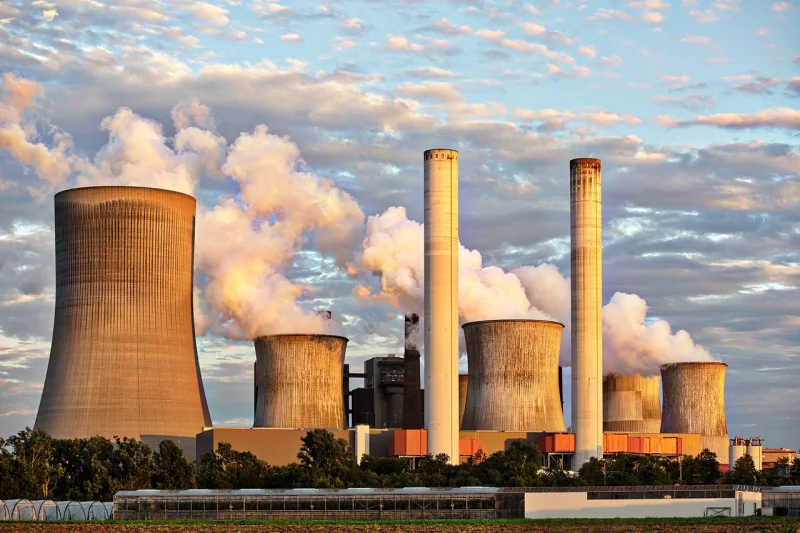
A nuclear power plant generates electricity by using the heat produced by nuclear reactions to drive a steam turbine. This process begins with the splitting of uranium atoms in a process called nuclear fission. This releases a large amount of heat, which is used to heat water and create steam.
The steam is then used to turn a turbine, which drives a generator to produce electricity. The electricity is then transmitted through the power grid for use by consumers.
-
NDT-Inspect posted an update in the group Nuclear Sector3 years ago
The nuclear industry uses nondestructive testing (NDT) techniques to ensure the safety, reliability, and performance of its products and operations. Nuclear NDT is the application of NDT methods and techniques in the nuclear industry, to inspect and evaluate the structural integrity, serviceability, and quality of nuclear components, materials, and systems.
Nuclear NDT plays a critical role in the design, manufacture, maintenance, and repair of nuclear components and systems, including reactors, fuel assemblies, and other systems. Nuclear NDT is used to detect and diagnose defects, flaws, and other imperfections that can affect the safety, performance, and durability of nuclear components and systems.
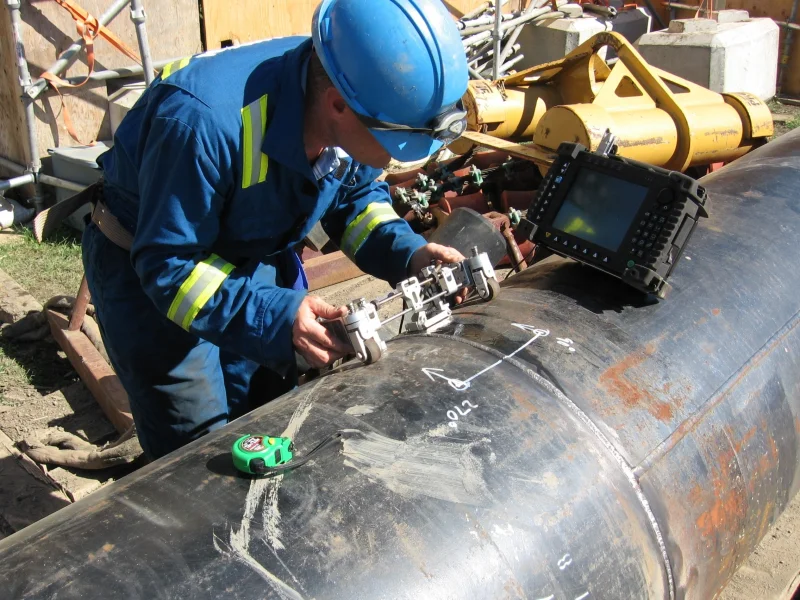
Nuclear NDT typically involves the use of advanced and specialized NDT methods and techniques, such as radiographic testing, ultrasonic testing, eddy current testing, magnetic particle testing, and liquid penetrant testing. These methods and techniques allow nuclear NDT technicians to inspect and evaluate the internal and external surfaces, structures, and properties of nuclear components and systems, without causing any damage or disruption to their function and operation.
Nuclear NDT is performed by qualified and certified NDT technicians, who have the skills, knowledge, and experience to apply the appropriate NDT methods and techniques, and to interpret and evaluate the results of the NDT inspections. Nuclear NDT technicians typically work in nuclear power plants and research facilities, and are responsible for ensuring the quality, reliability, and safety of nuclear products and systems.
Nuclear NDT is regulated by national and international standards and guidelines, such as the American Society for Nondestructive Testing (ASNT) and the European Committee for Standardization (CEN). These standards and guidelines provide requirements and guidance for the application, performance, and evaluation of nuclear NDT, and are used to ensure the consistency, reliability, and validity of nuclear NDT inspections and results.
-
NDT-Inspect posted an update in the group Nuclear Sector3 years ago
The nuclear sector is a specialized industry that involves the development, production, and use of nuclear materials and technologies. The nuclear sector plays a crucial role in the global economy, as nuclear energy is a significant source of electricity, and nuclear technology is used in many different fields, including medicine, agriculture, and defense.
The nuclear sector is a complex and dynamic industry, with many different activities and operations, ranging from research and development to production and disposal. The nuclear sector is also a capital-intensive and technology-driven industry, with a high demand for advanced equipment, materials, and services.
The nuclear sector consists of several subsectors, including power generation, medical, and research. Power generation involves the production of electricity using nuclear reactors, which generate heat and steam to drive turbines and generators. Medical involves the use of nuclear technology in the diagnosis and treatment of diseases, such as cancer, heart disease, and other conditions. Research involves the development and application of nuclear technology in various fields, such as agriculture, defense, and space exploration.
The nuclear sector is subject to a range of economic, political, and environmental factors, which can affect the demand, supply, and use of nuclear materials and technologies. The nuclear sector is also subject to various regulations and standards, which are designed to ensure the safety, security, and environmental protection of nuclear operations.
The nuclear sector employs a large and diverse workforce, with a wide range of skills, knowledge, and experience. The nuclear sector is a major employer, providing jobs and opportunities for people in many different fields, including engineering, science, technology, and business.
Overall, the nuclear sector is a crucial and dynamic industry, which plays a vital role in the global economy, and provides essential energy and technology services for many different industries and activities.