441 members · Public group
Started 4 years ago
Dear sir,
We are bonding steel and titanium alloys and assessing the bonding quality at the interface of the two.
Is UT is mandatory for interface quality?
The item is meant for critical aerospace usage
2 replies
4 years ago
If you are doing this process, you should have a procedure to go along with it. What does your bonding verification method say about that?

33 minutes ago
For adhesive bonding of dissimilar metals like steel and titanium in aerospace applications, the specific inspection methods required depend on your written procedure and the applicable aerospace standard or specification.
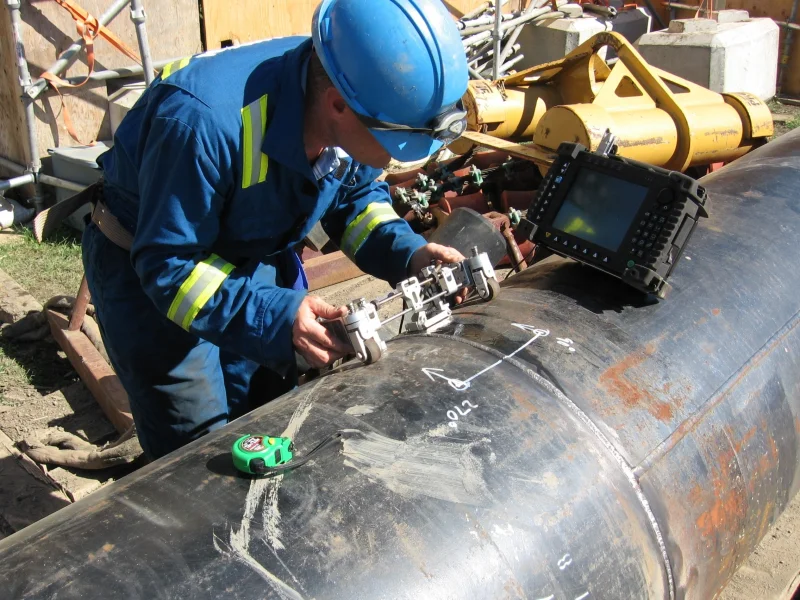
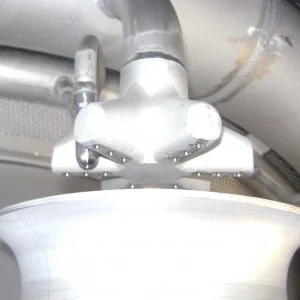
UT (ultrasonic testing) can detect voids and delaminations at the bond line and is commonly used for bondline inspection, but it is not always mandatory as the sole method. The governing factors are:
- Your bonding procedure specification (BPS) or work instruction, which should define the inspection method, acceptance criteria and sampling plan
- The aerospace standard or customer specification you are working to — for example, NASA, BAe, Airbus or similar — which often references adhesive bonding standards such as ASTM D4562 or similar
- The criticality of the joint and the failure modes of concern
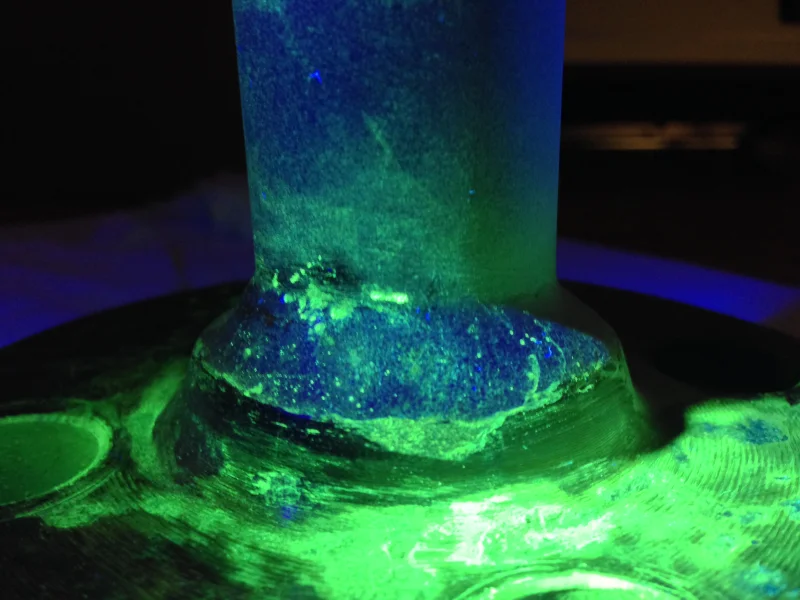
Other methods used alongside or instead of UT for bondline quality include thermography, tap testing, pull-off adhesion testing (destructive) and X-ray or other imaging. Some procedures use a combination of non-destructive and destructive testing.
The key is that your bonding verification method — whether UT, another NDT method, or a mix — must be documented in your procedure before you start production. The procedure should also define acceptance criteria, reject/rework decisions, and documentation requirements.
If your procedure is not yet written or if you are unsure what your customer specifies, contact them or refer to the relevant aerospace standard. Jaden is right: your procedure is the starting point for this decision.
Sign in to reply to this discussion.


 Join free
 Register your company
 Sign in